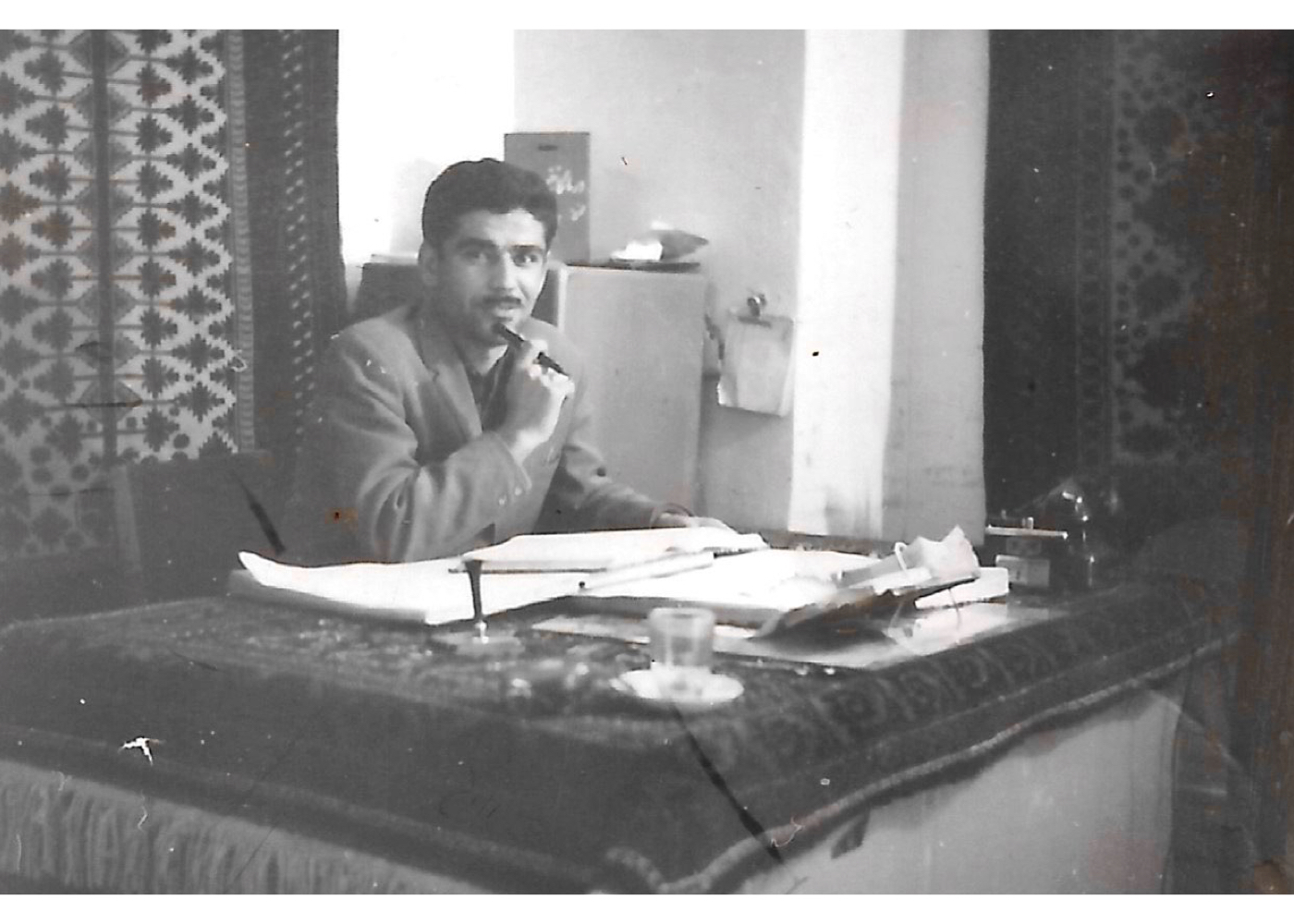
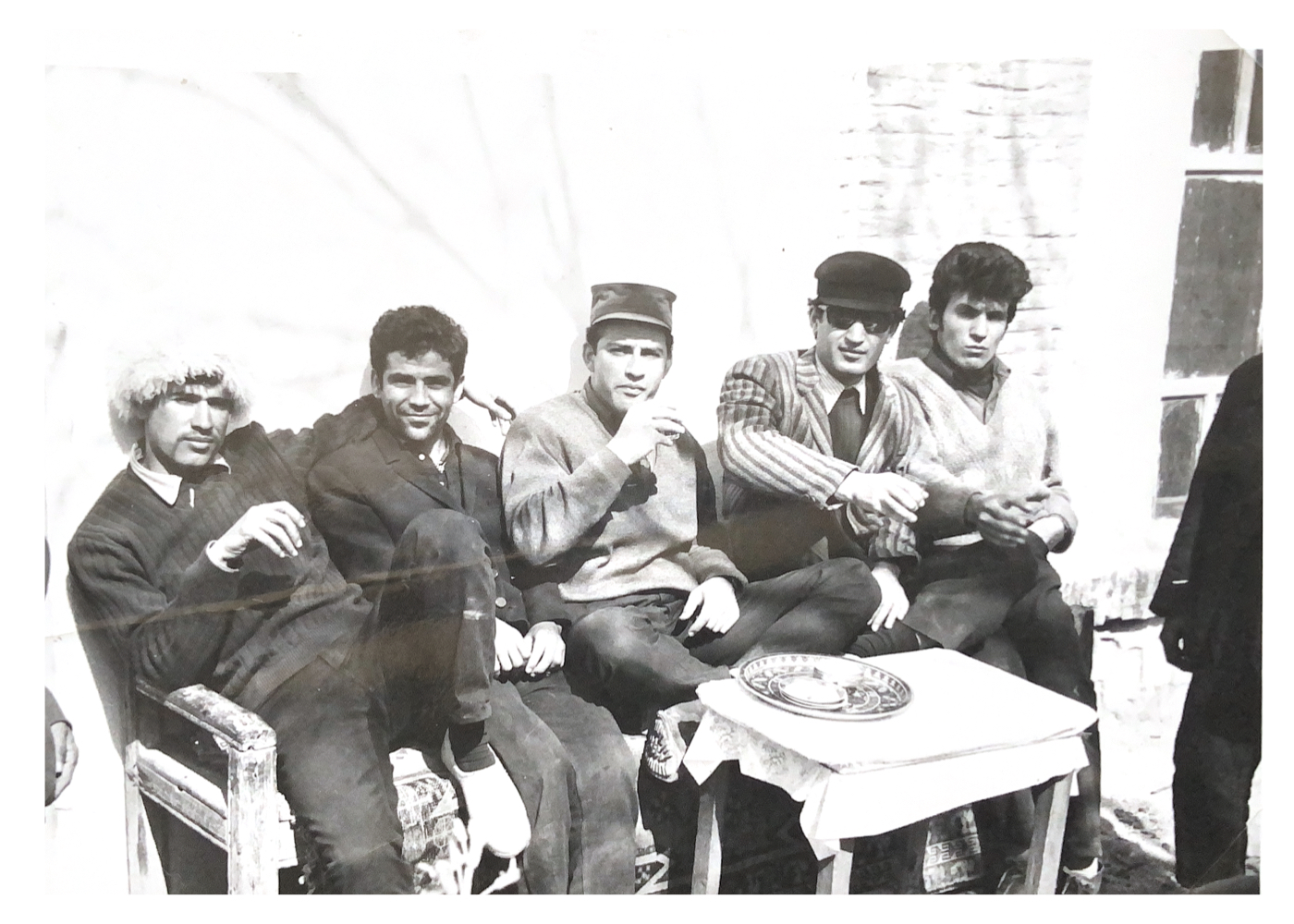
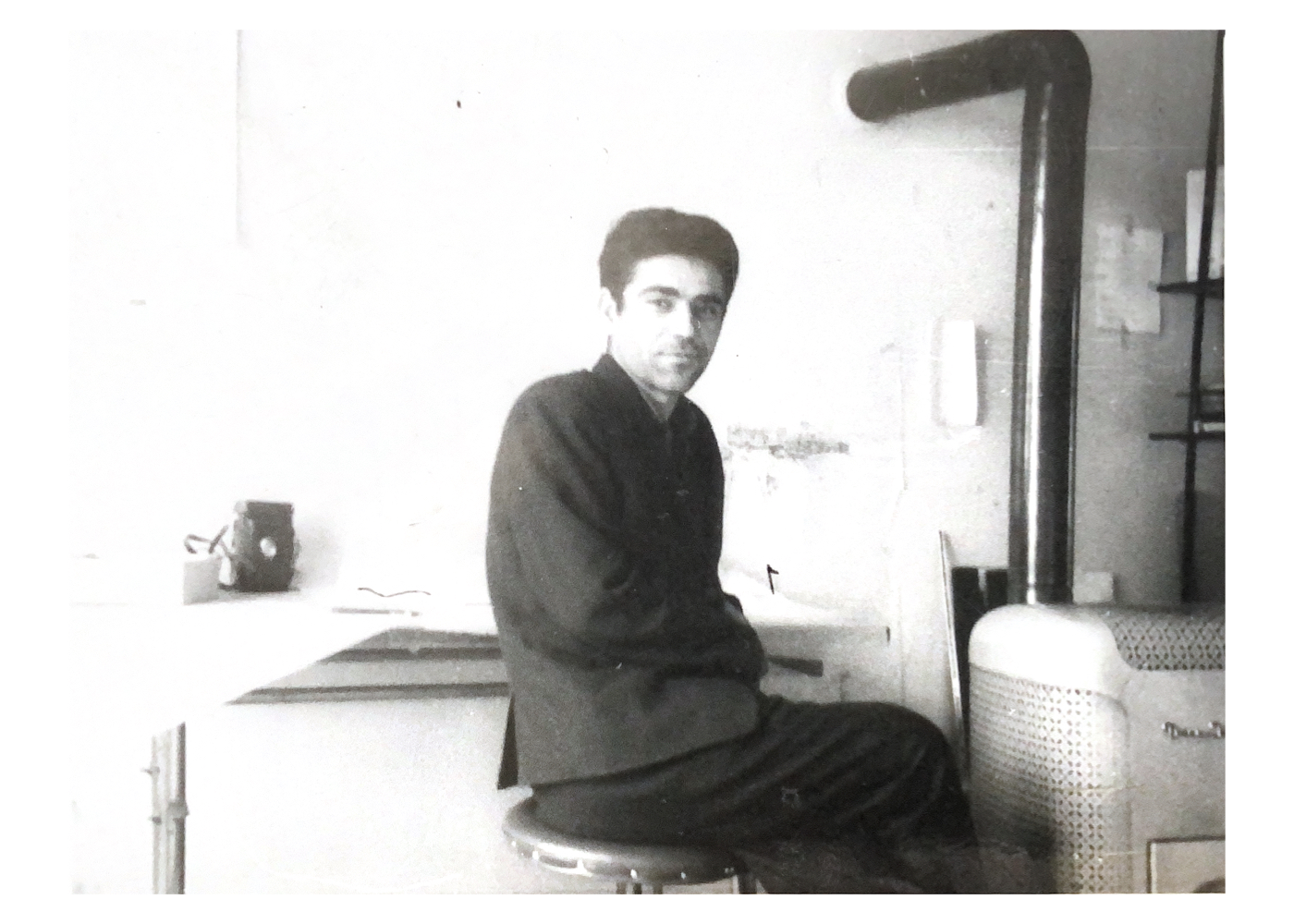
1957–1965 – Accountant at Taghchehchian Trading Company – Mashhad
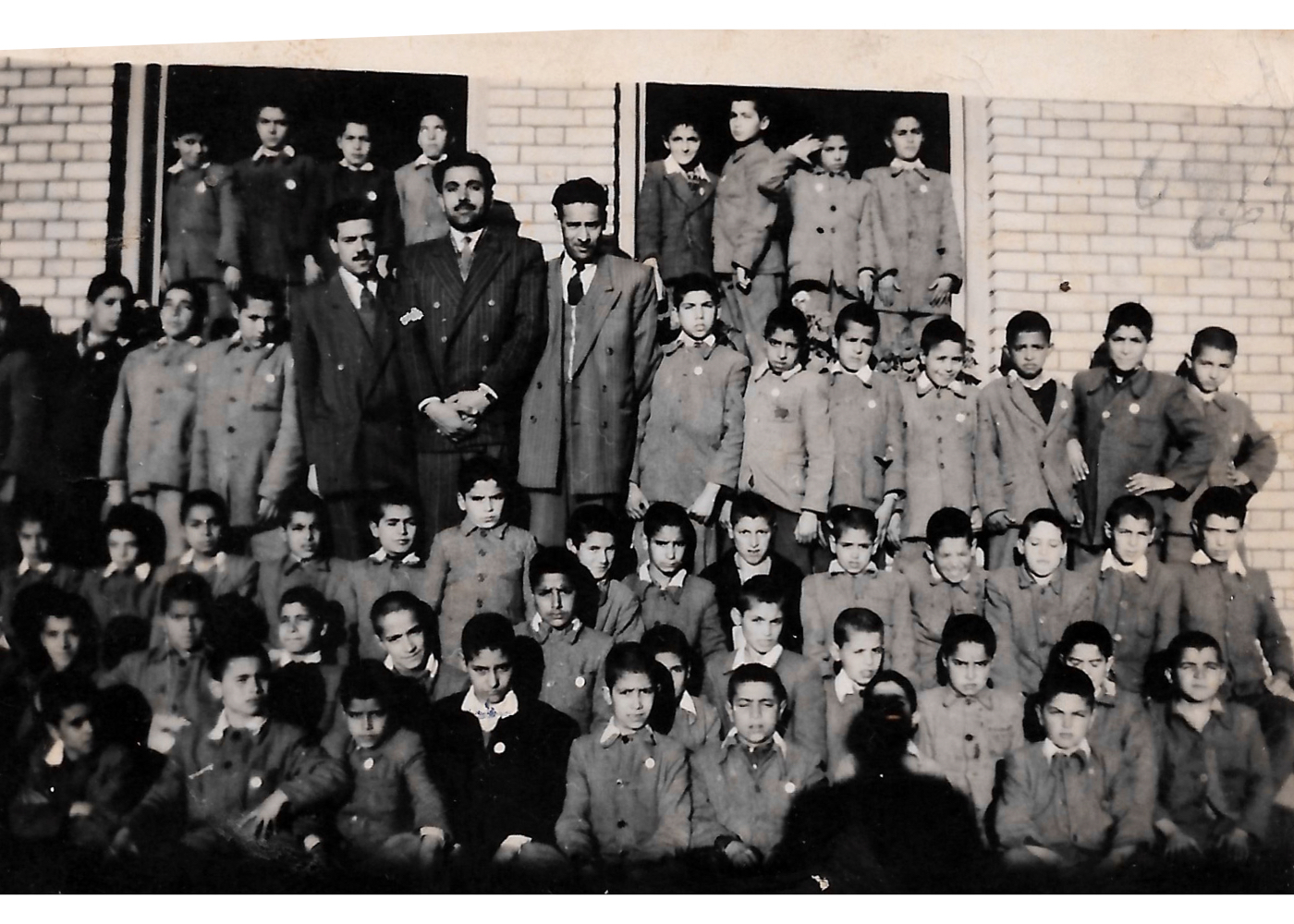
Gholamreza Pasban Hazrat was born in 1944 in Mashhad. He completed his primary education at Makarem and Hedayat schools in the Eidgah neighborhood, and attended Mostofi Evening High School in Mashhad on a part-time basis. Before entering university, and concurrently with his high school studies, he worked for eight years (1957–1965) as an accountant in two trading companies in Mashhad.
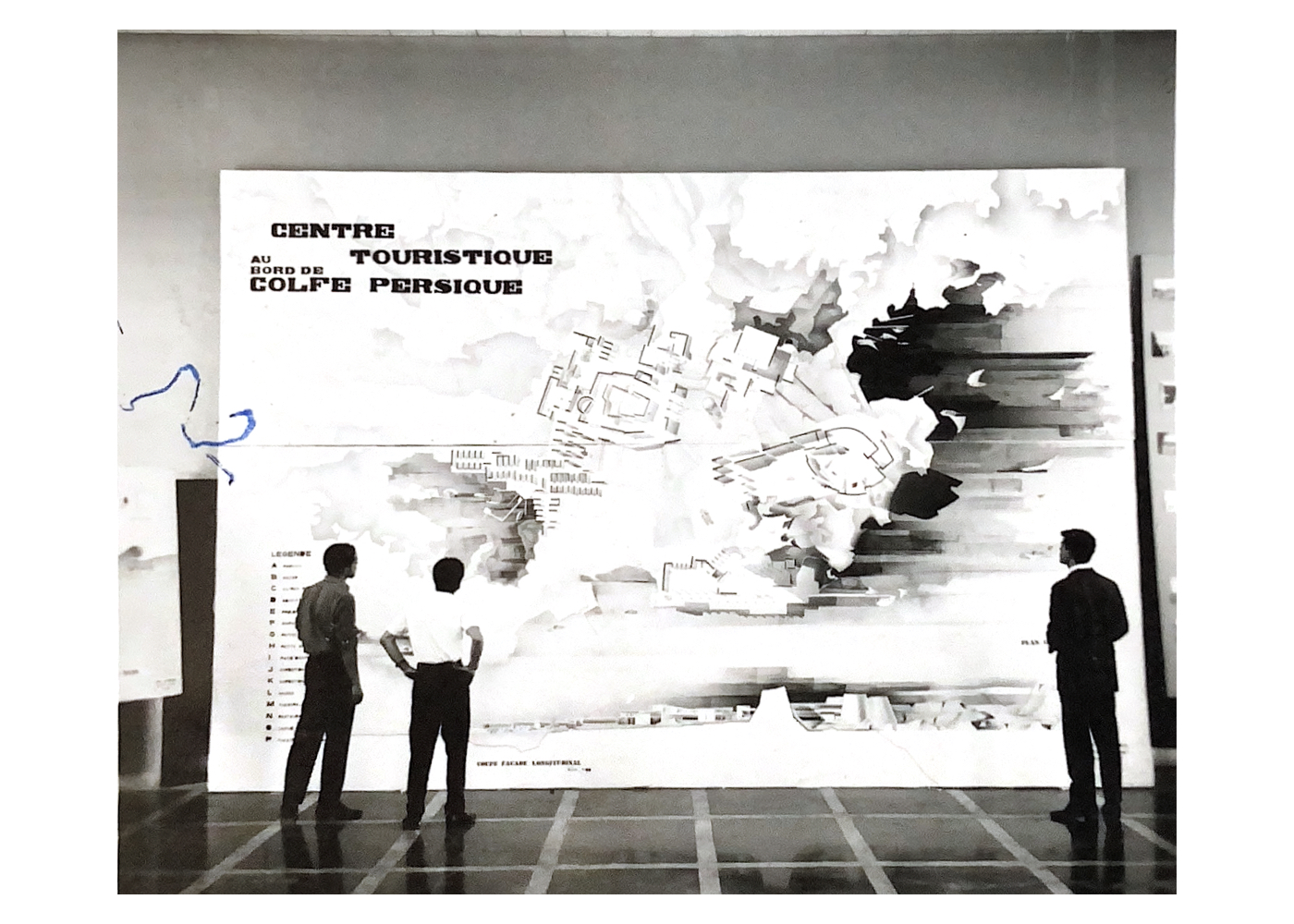
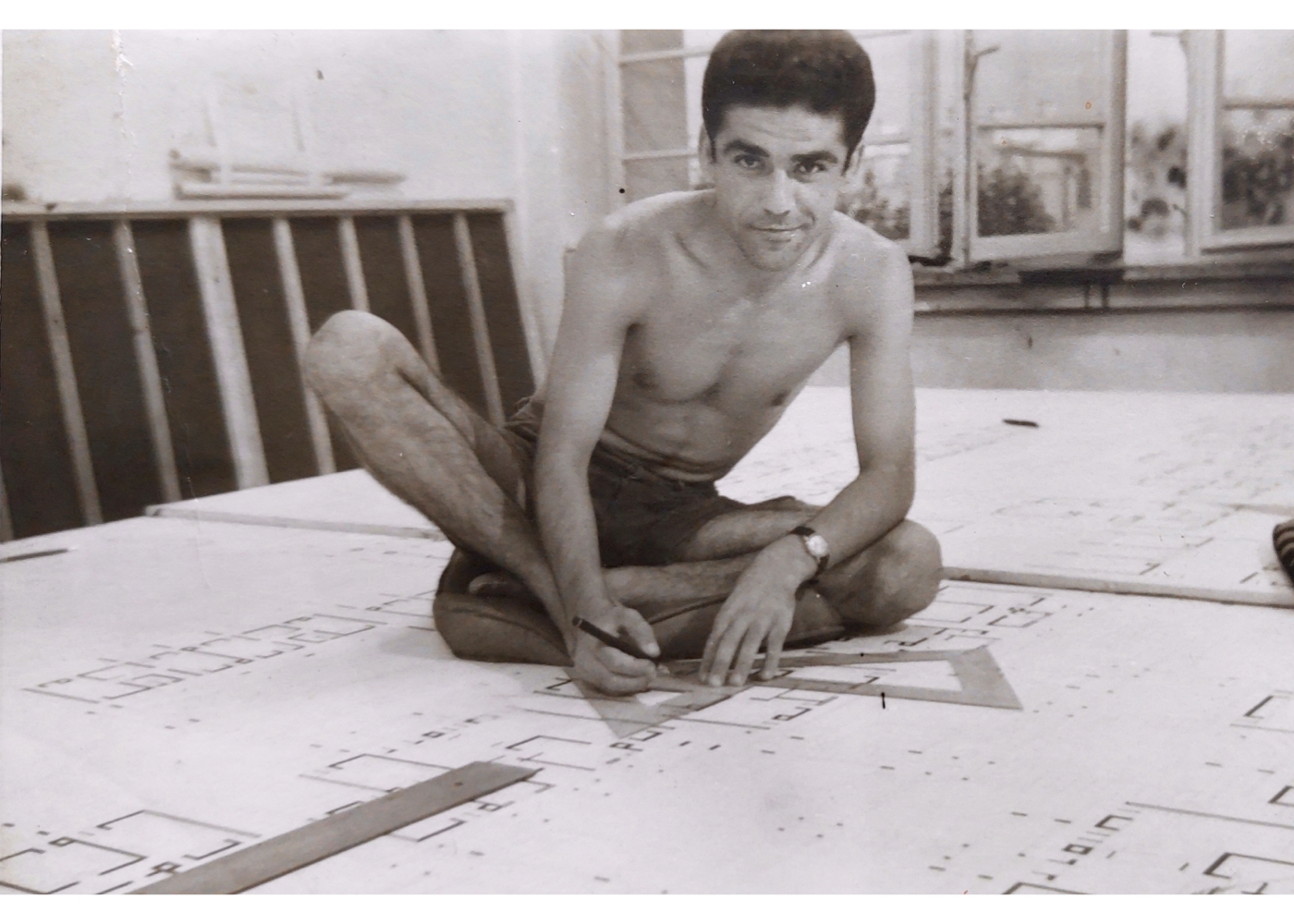
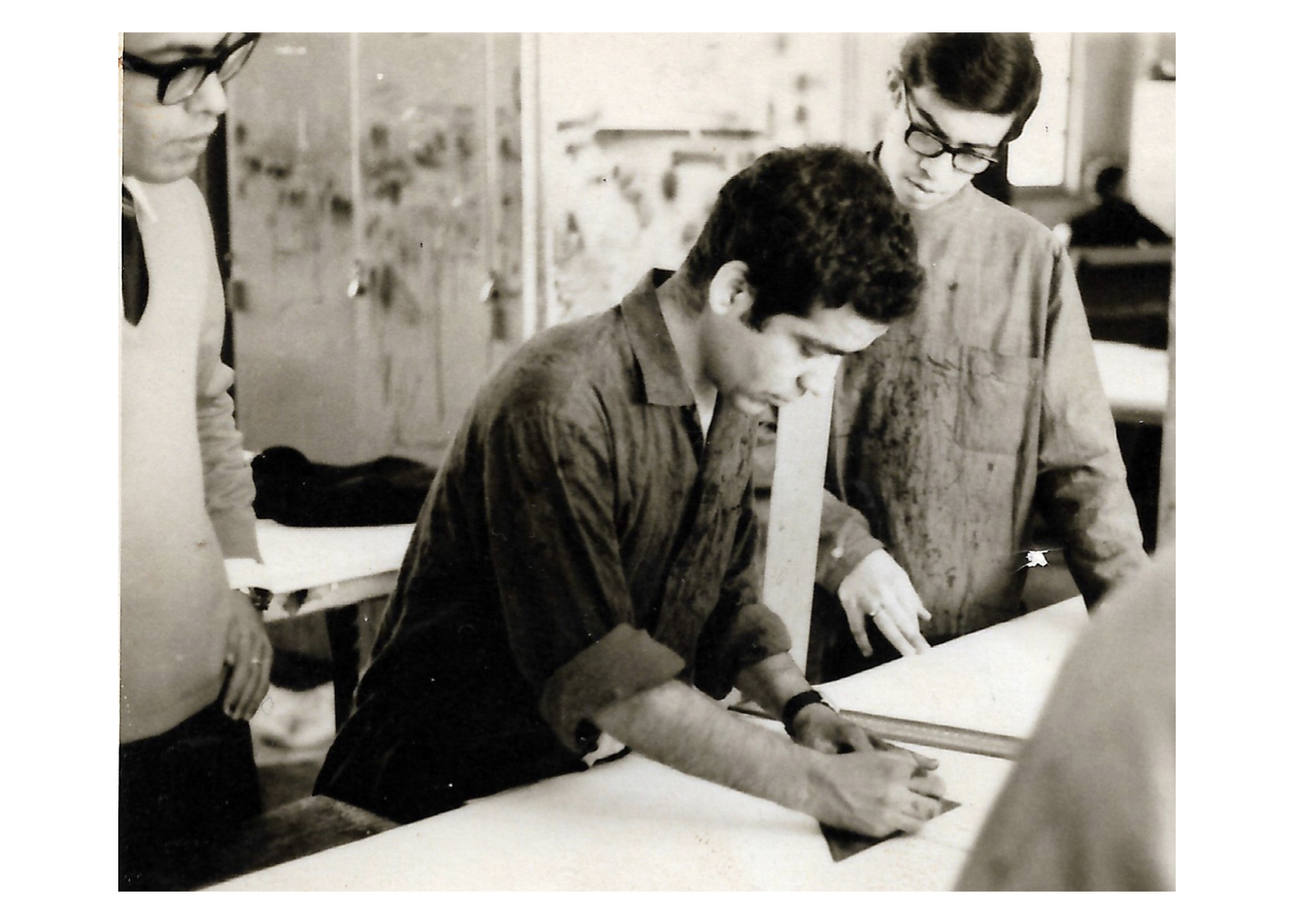
In 1965, he entered the Faculty of Fine Arts of the University of Tehran and graduated in 1972. His professional career began in 1965 while studying at the Faculty of Architecture, and continued from that year with work on the diploma project of Architect Hossein Amanat and then with other diploma projects of the students (six projects).
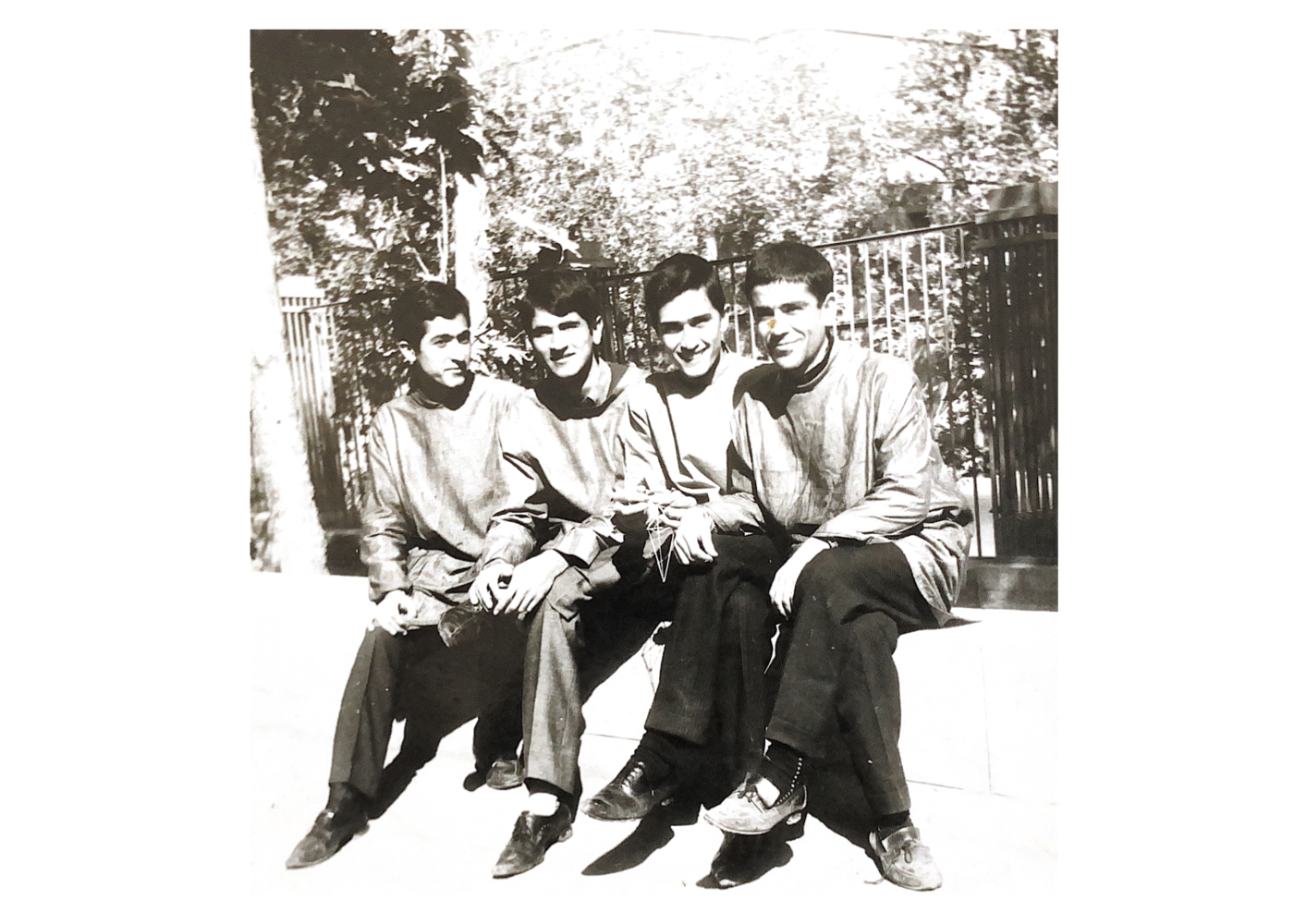
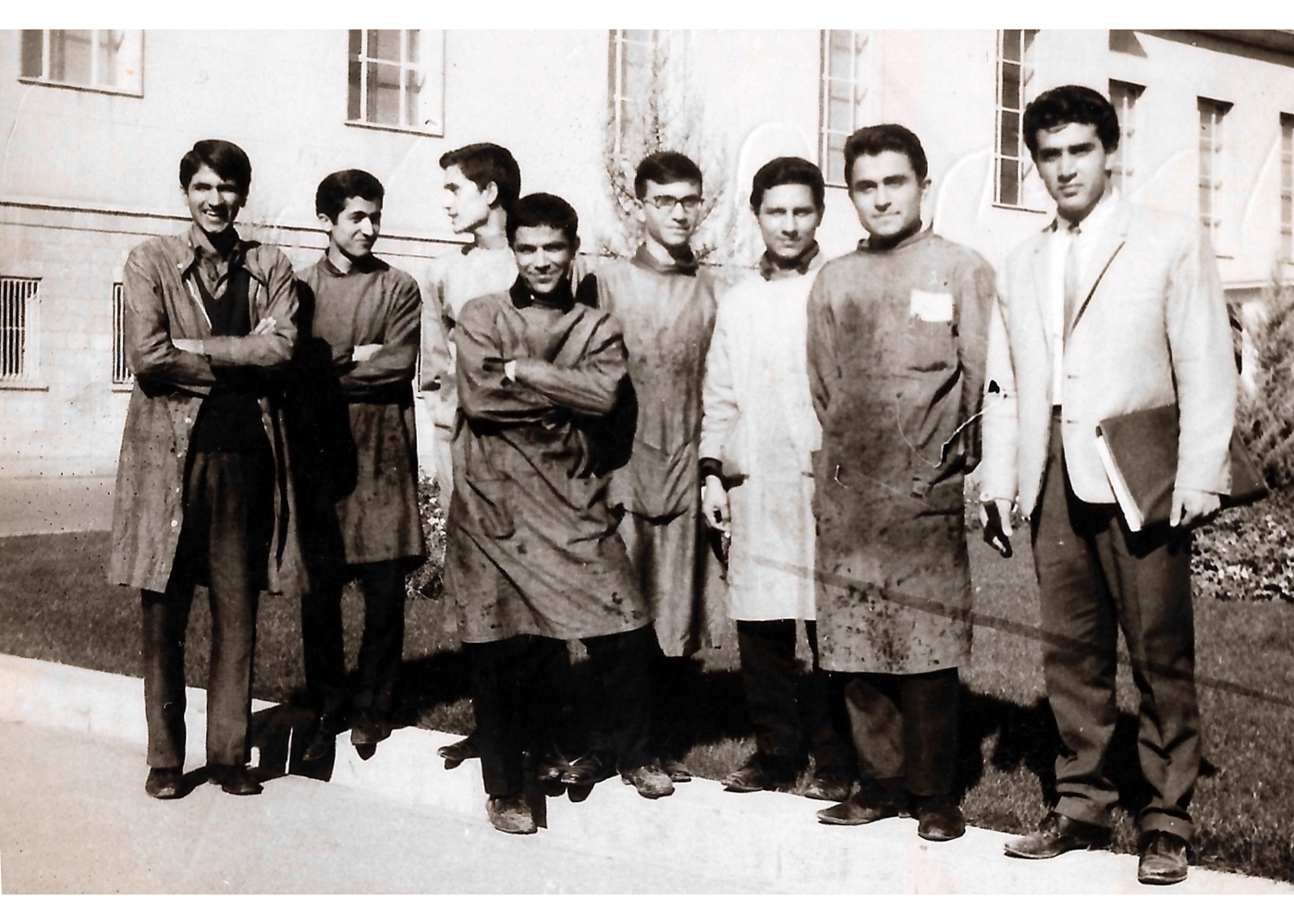
1965 – University of Tehran
1965 – University of Tehran (Faculty of Architecture)
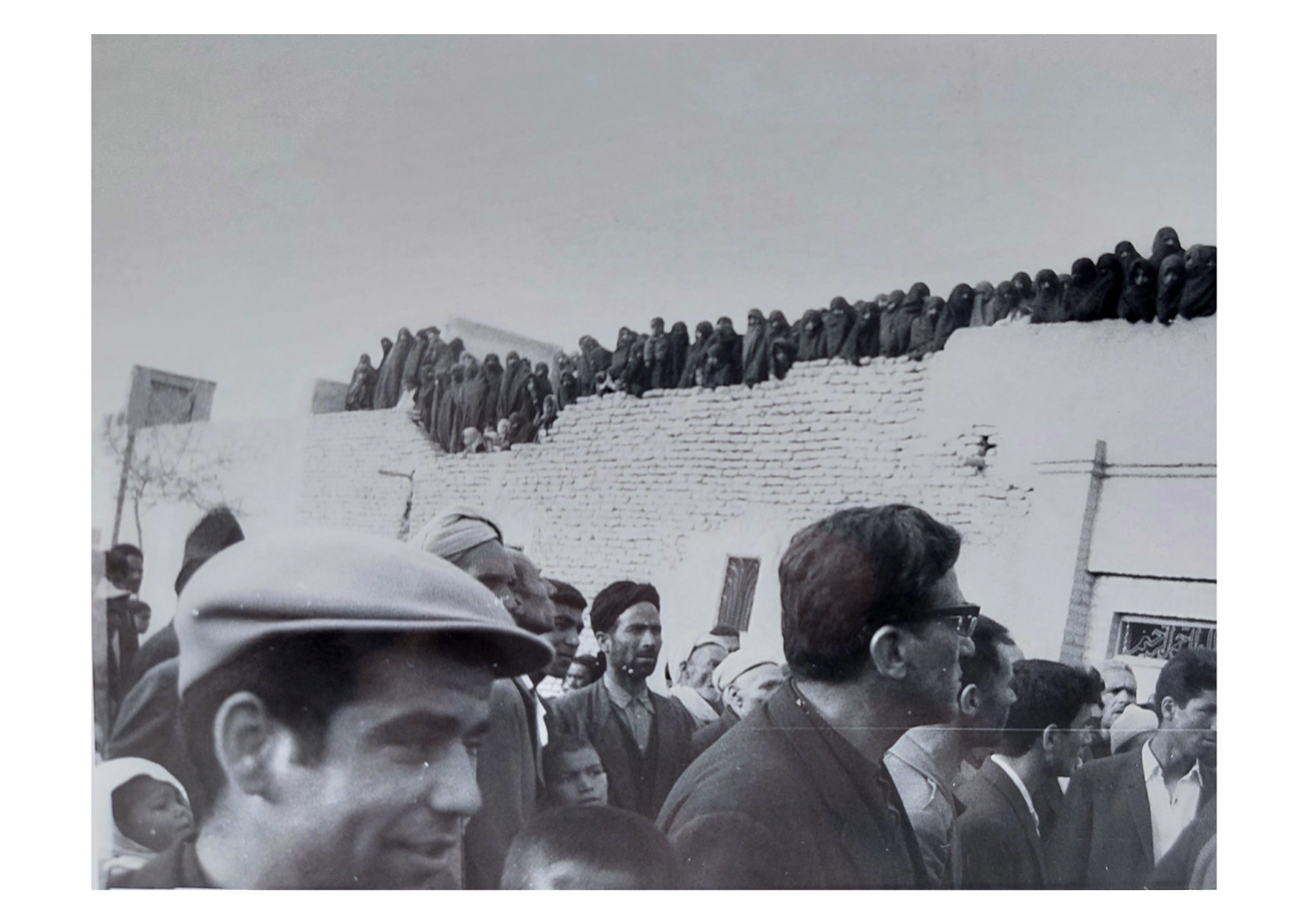
1967 – Trip Around the Desert
1967 – Trip Aroundn the Desert with the faculty
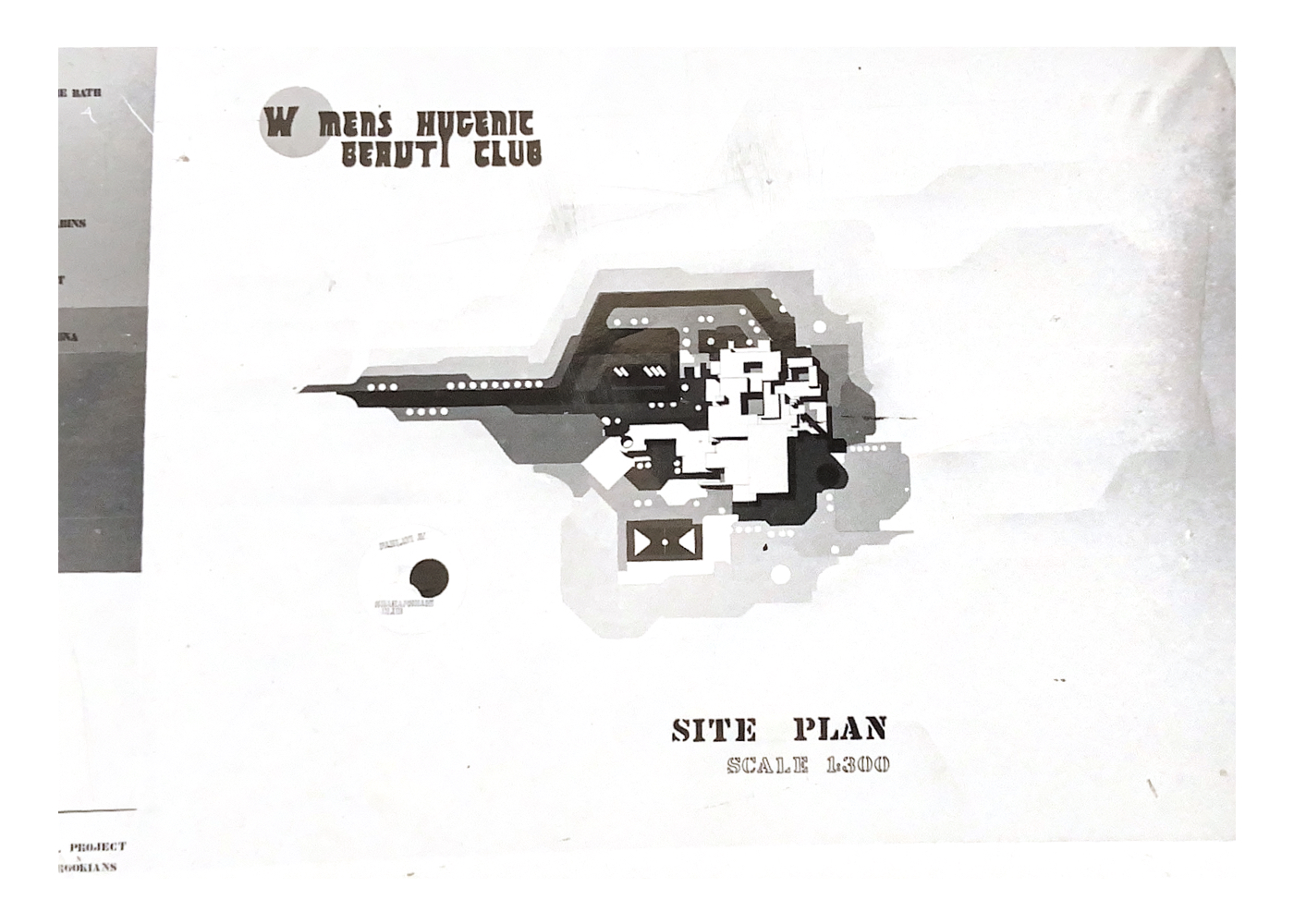
1966 – Diploma of Architect Hossein Amanat
1967 – Diploma of the late Architect Oktay Parvaz
1967 – Diploma of the late Architect Saeed Khorramian
1968 – Diploma of Ms. ...
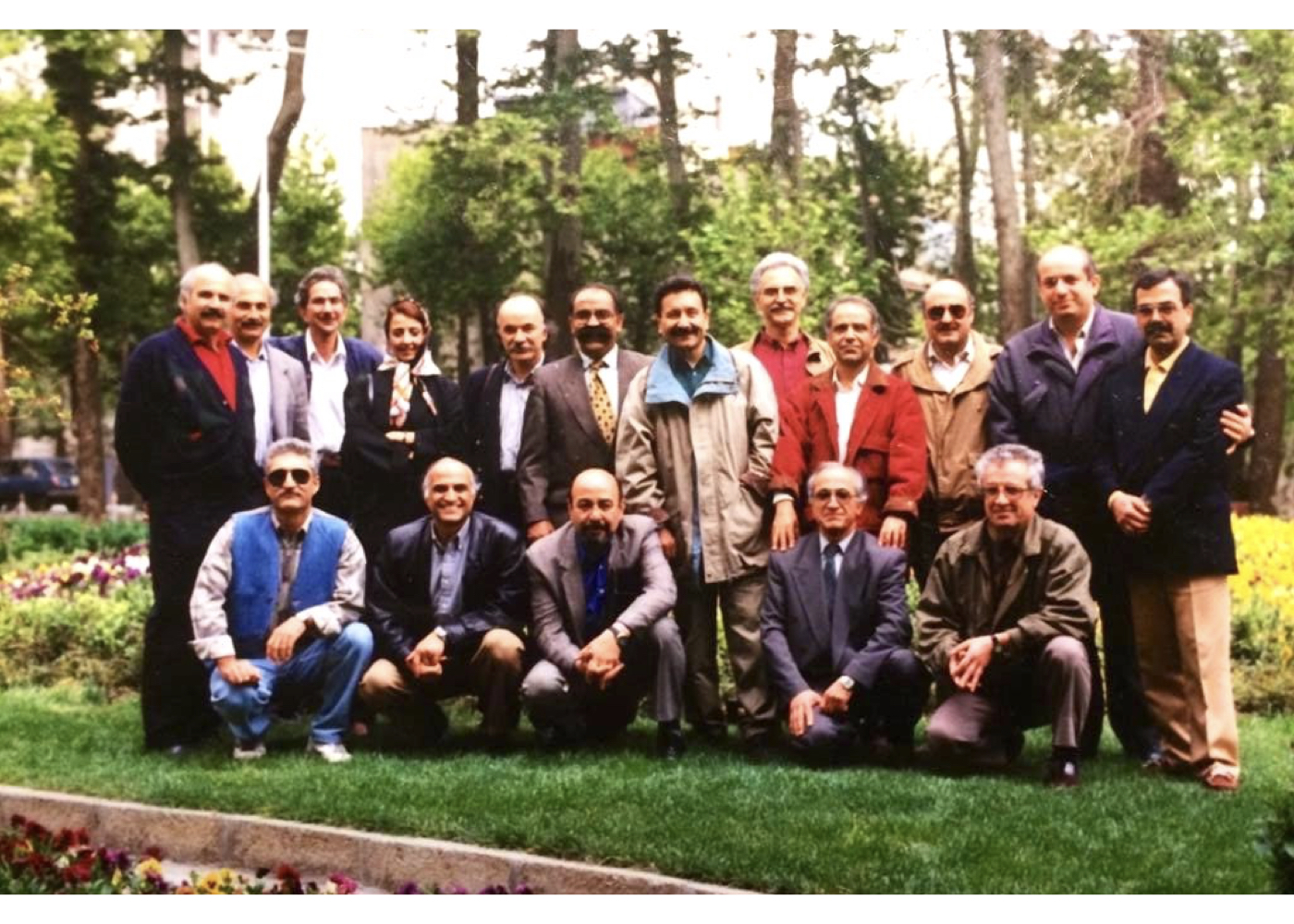
1993 – With university classmates – Garden of Artists
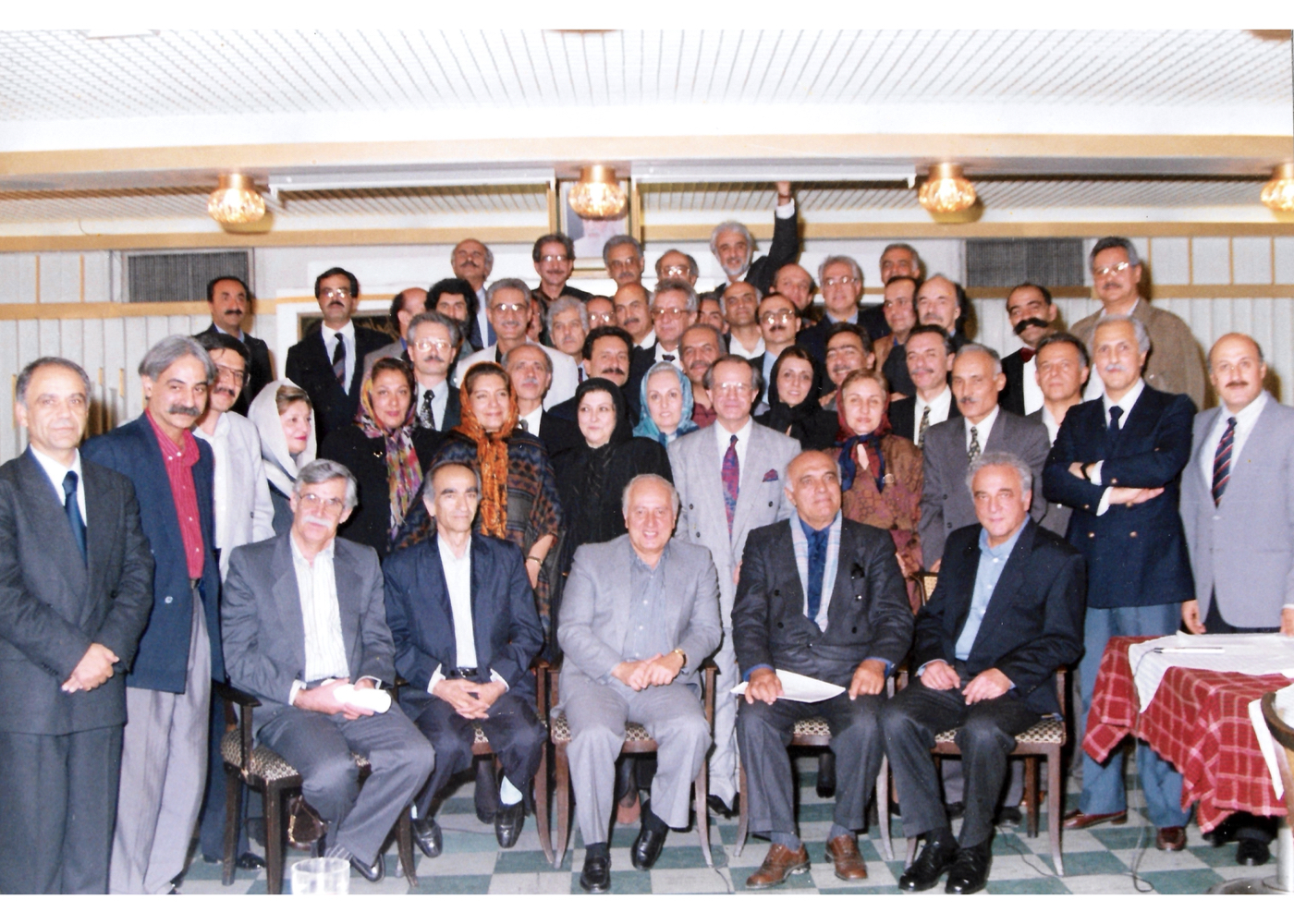
Class of 1965 at the 30-Year Friendship Reunion – 1995. The late masters seated from the right: Professor Dr. Mir Fenderski, Professor Dr. Sanei, Professor Dr. E‘tesam, Professor Dr. Abolghasemi, Mr. Mahdavi (Head of the Faculty Office)
1968 – At the early office of Architect Amanat (in his residence)
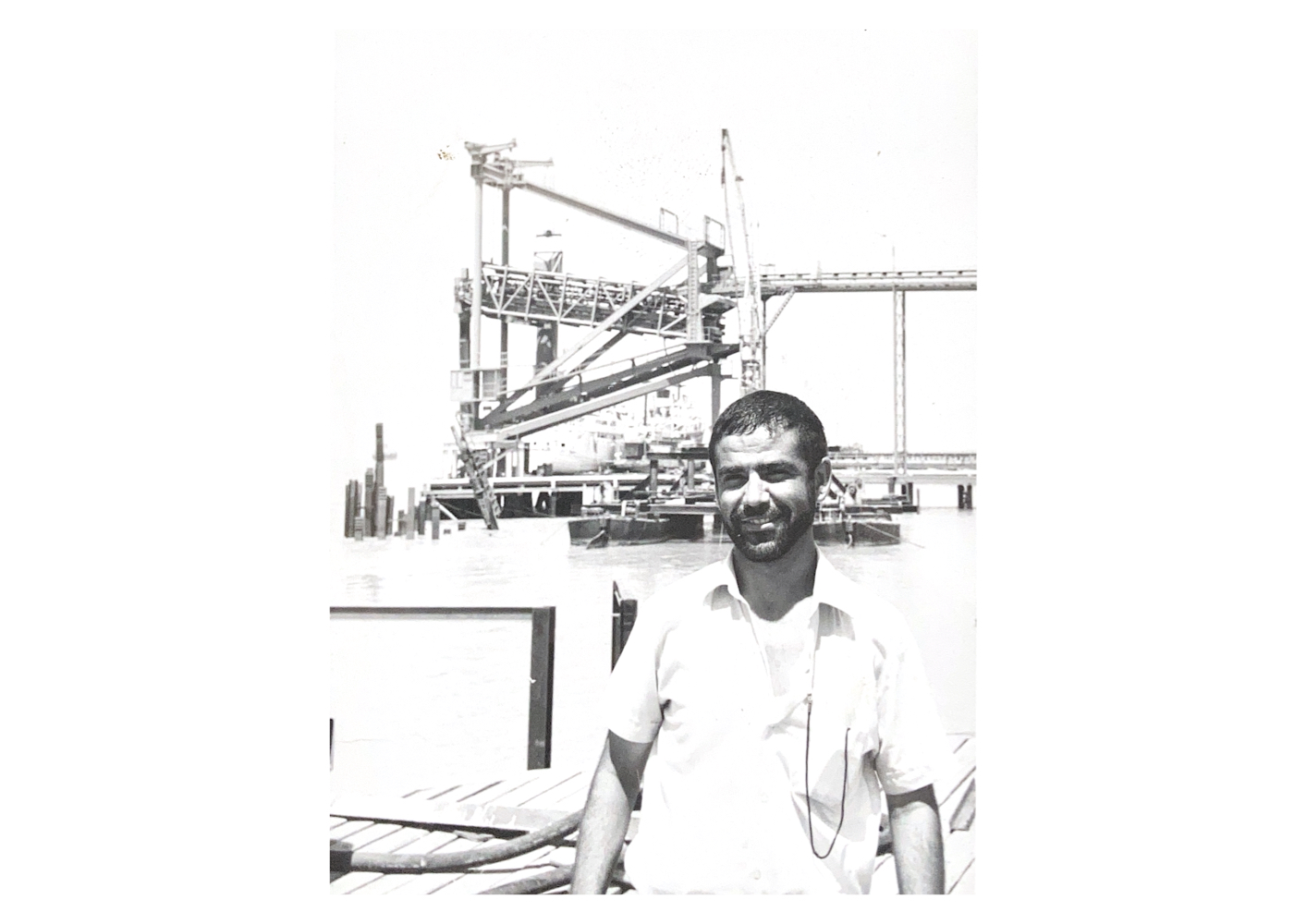
1970 – Supervision of dock and facilities for the Ministry of Agricultural Products
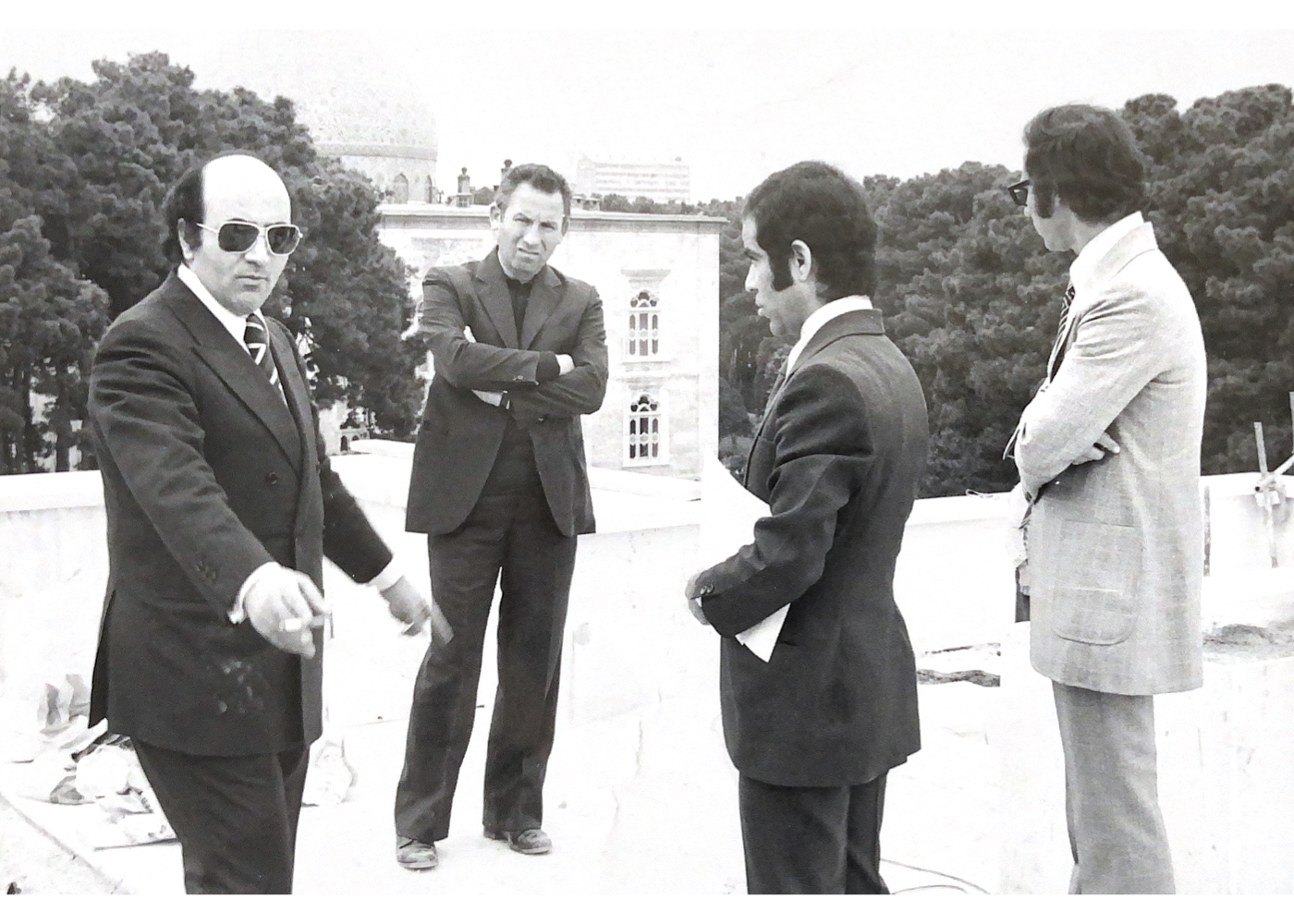
1973 – With the late Architect Manouchehr Iranpour at Negarestan Museum
He also worked under the supervision of the late Engineer Manouchehr Iranpour on the Zoroastrian Students’ Dormitory project, and at Engineer Amanat’s office on the residential–commercial developments in Daryakenar, the residence of the late Dr. Mojtahedi, two buildings at Sharif University, and Tehran’s Azadi Square, collaborating alongside Engineer Rouhollah Nik-Khesal.
In 1969, he joined the Technical Office of the newly established Ministry of Agricultural Production and Consumer Goods, where he designed administrative buildings and supervised the construction of the Ministry’s pier in Mahshahr.
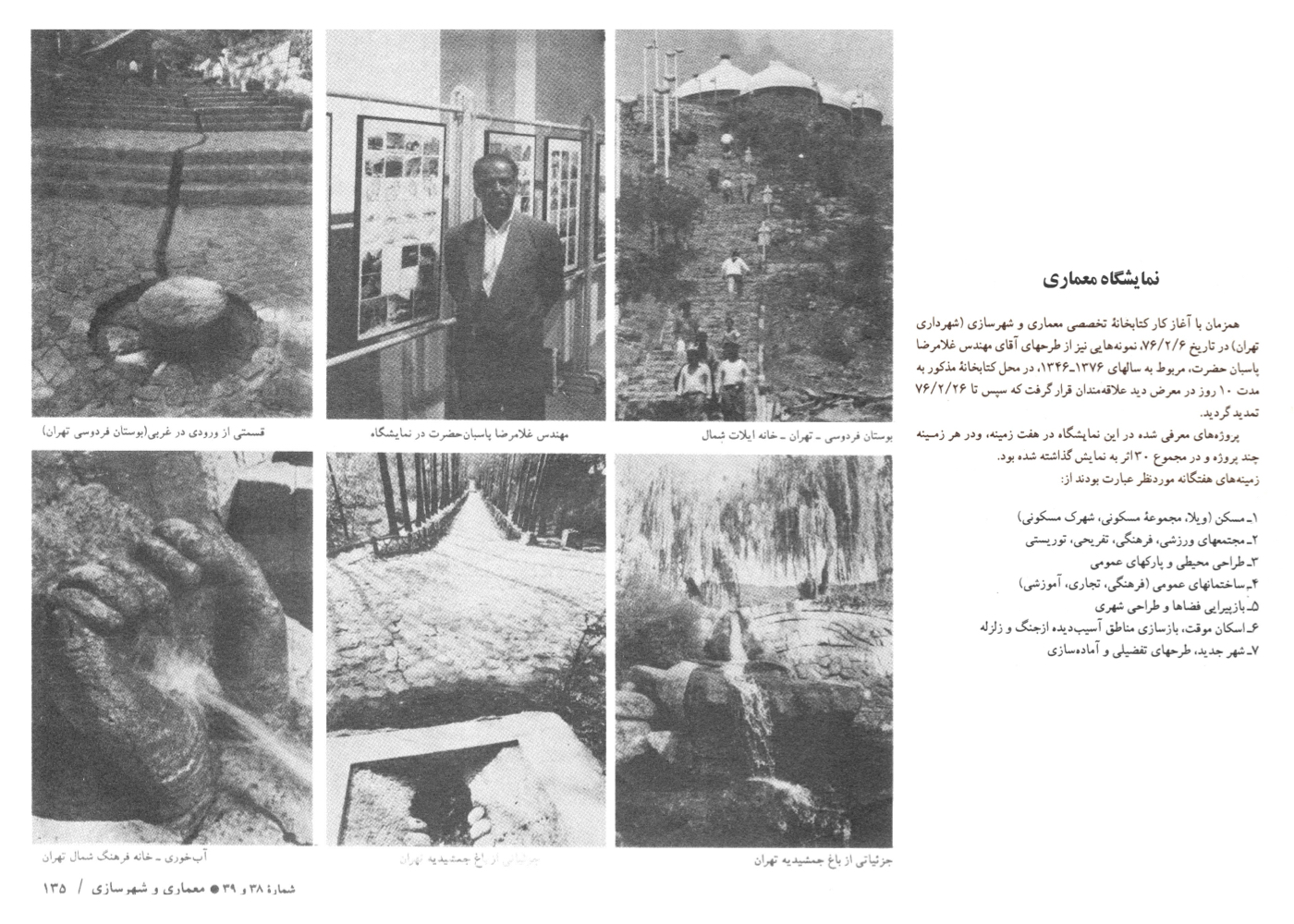
In 1972, together with former university classmate Ruhollah Nik-Khesal, he founded the “UP” Consulting Engineers firm. The firm’s projects included the design of a hotel in northern Iran, several villas and apartment buildings, camps for displaced Iraqi Kurds affected by the war, the refurbishment of the Khashayar branch of Bank Melli Iran, the Negarestan Museum, the Marble Palace Museum, and Jamshidieh Garden in Tehran.
In 1979, together with several university colleagues, including architects Abolghasem Haddad Kaveh and Jalil Divanbeigi, he founded Baft Shahr Consulting. In its early years, the firm conducted studies and developed prototype plans for reconstruction and renewal in earthquake-affected areas, designed and supervised camps for people displaced by the war in Khuzestan, and prepared housing designs for earthquake survivors in Golbaf, Kerman. These activities were carried out voluntarily and through direct fieldwork.
In 1981, Baft Shahr Consulting continued its activities with the addition of new partners and experts, adapting to the new regulations of the Plan and Budget Organization.
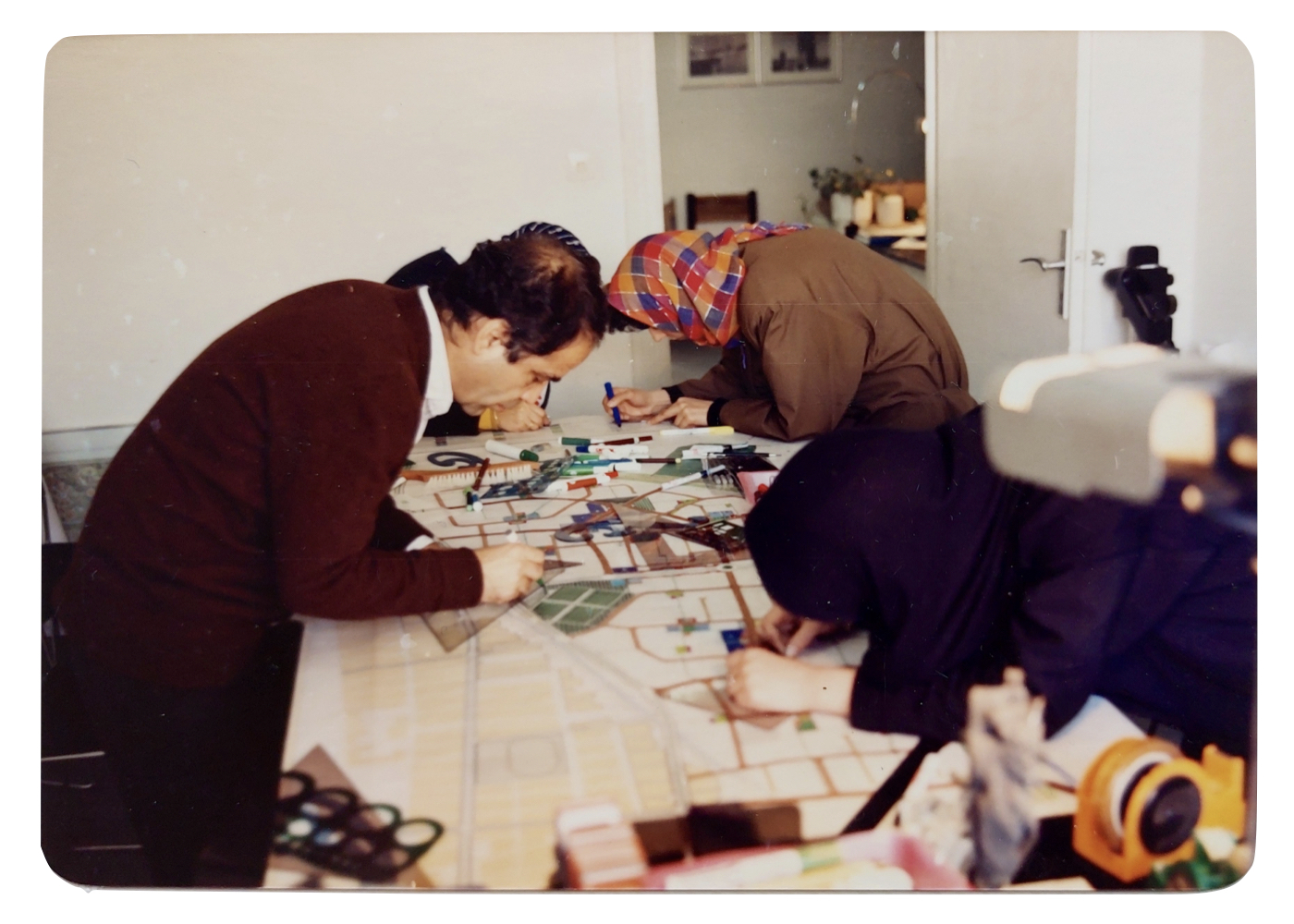
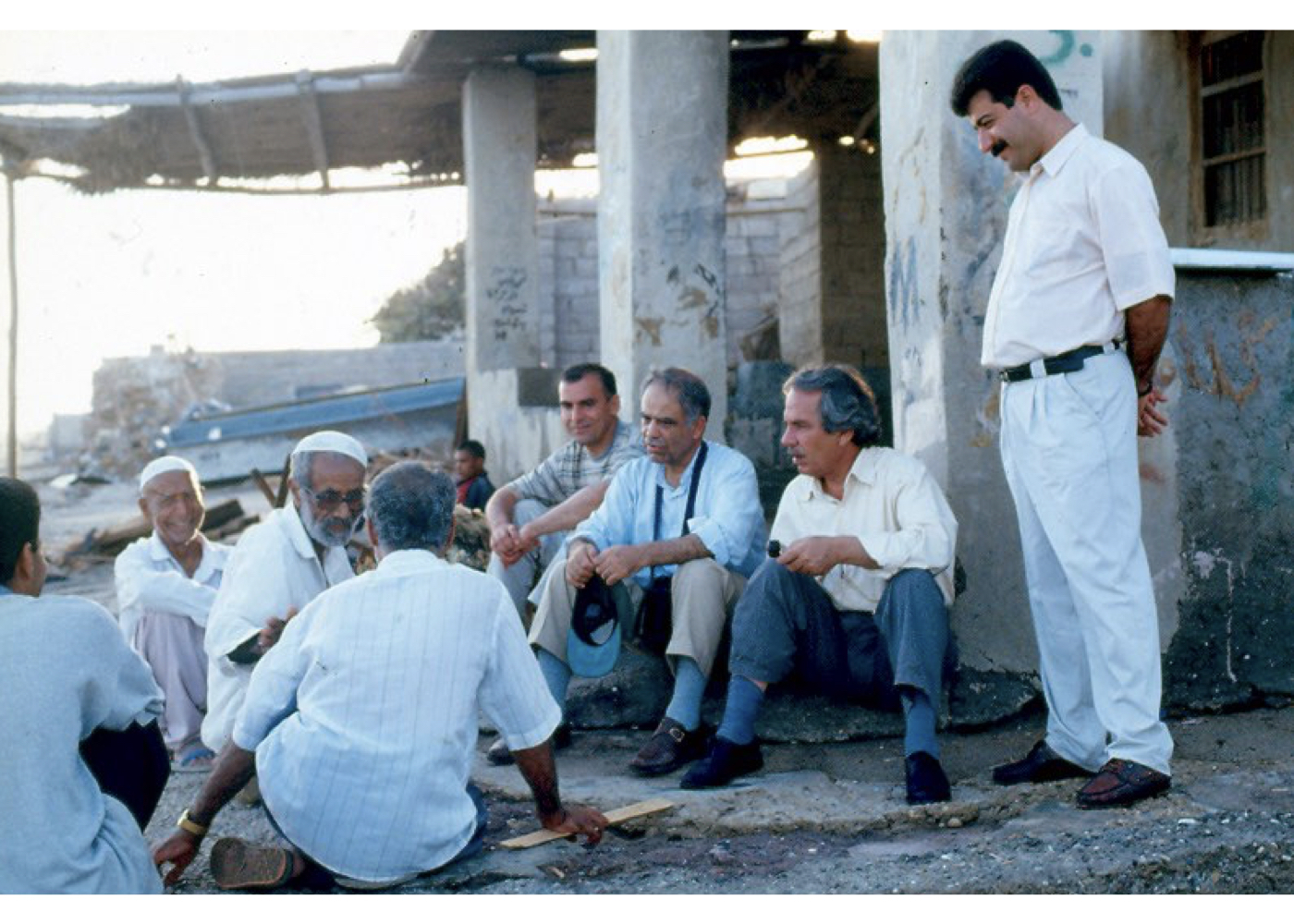
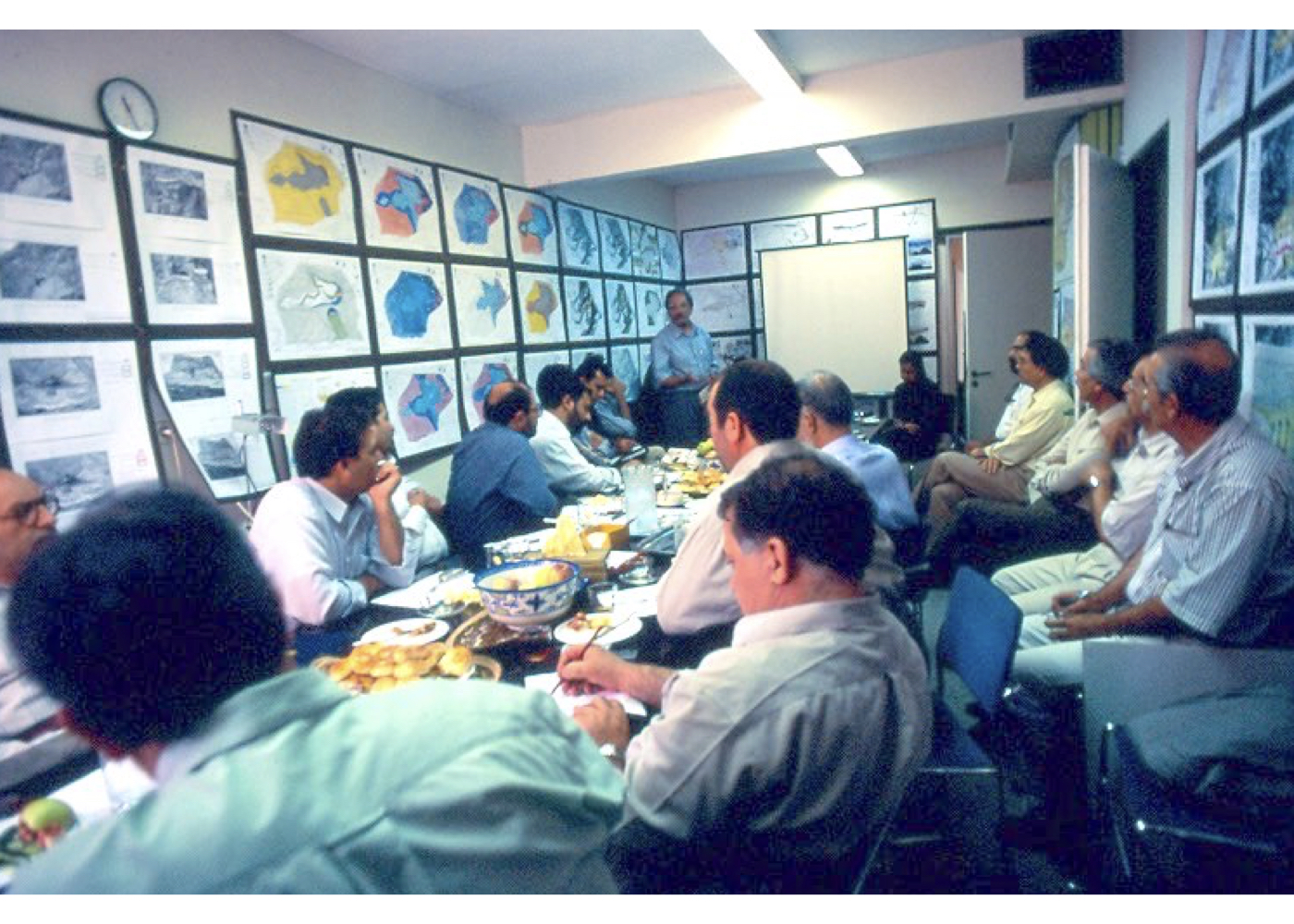
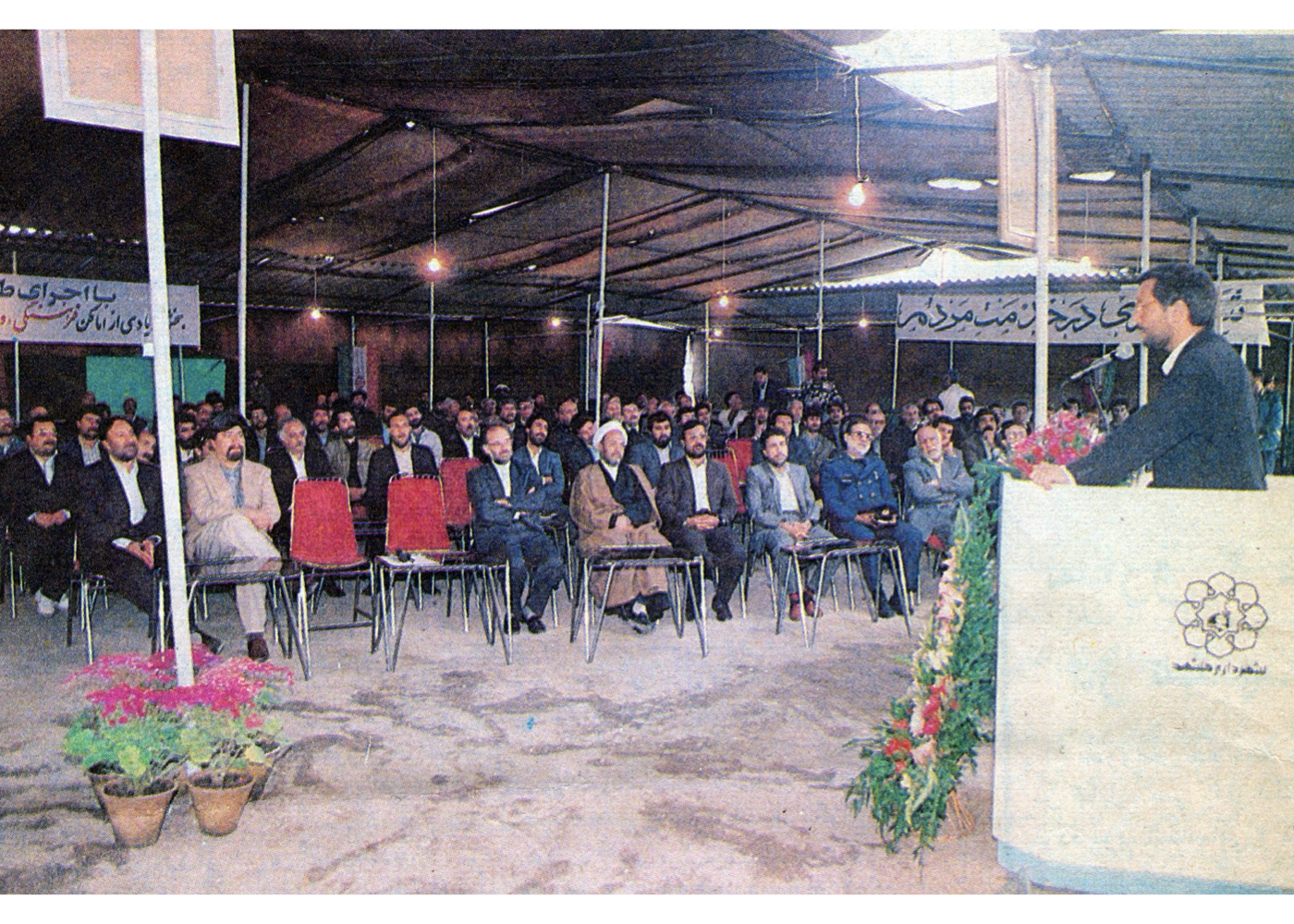
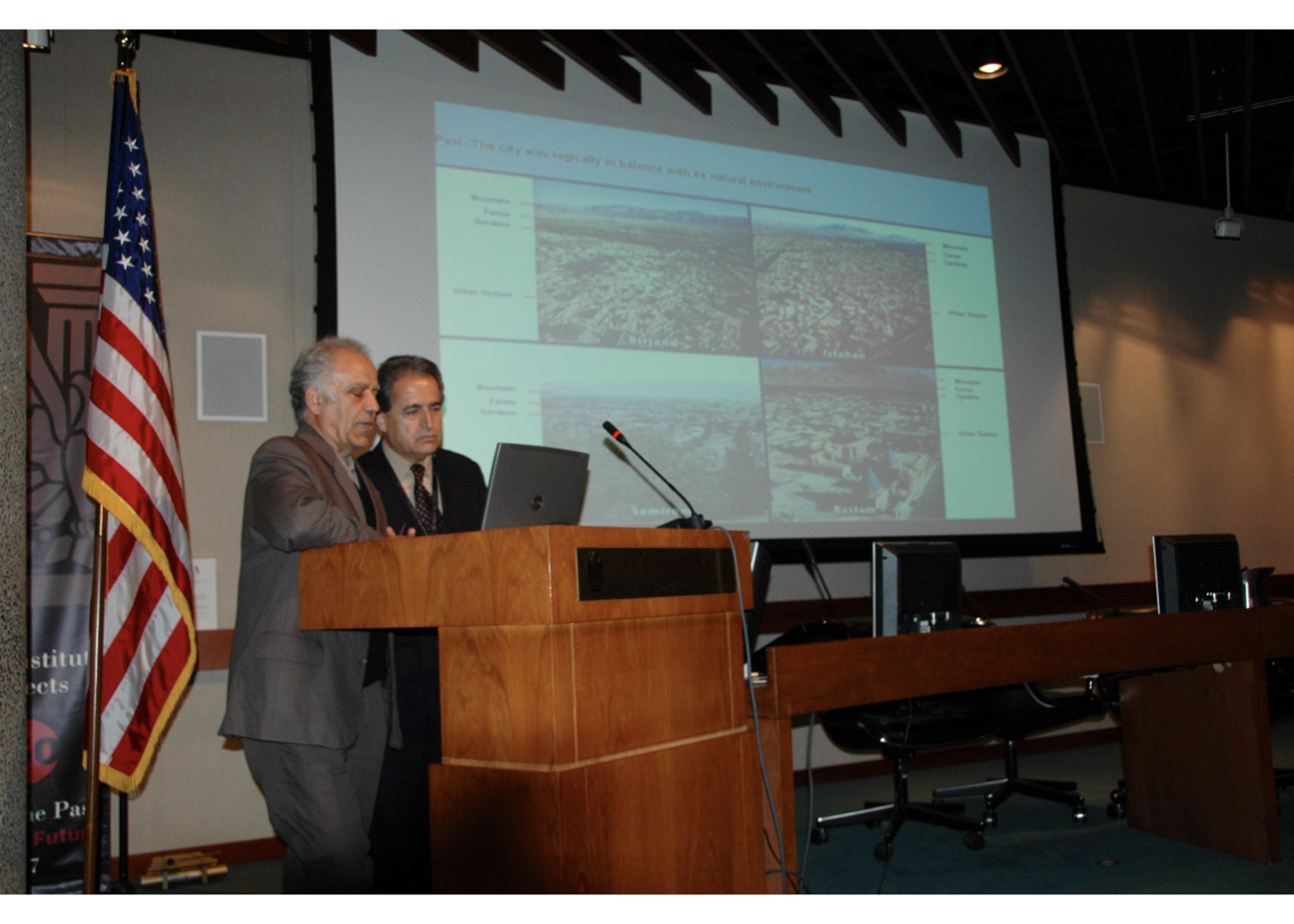
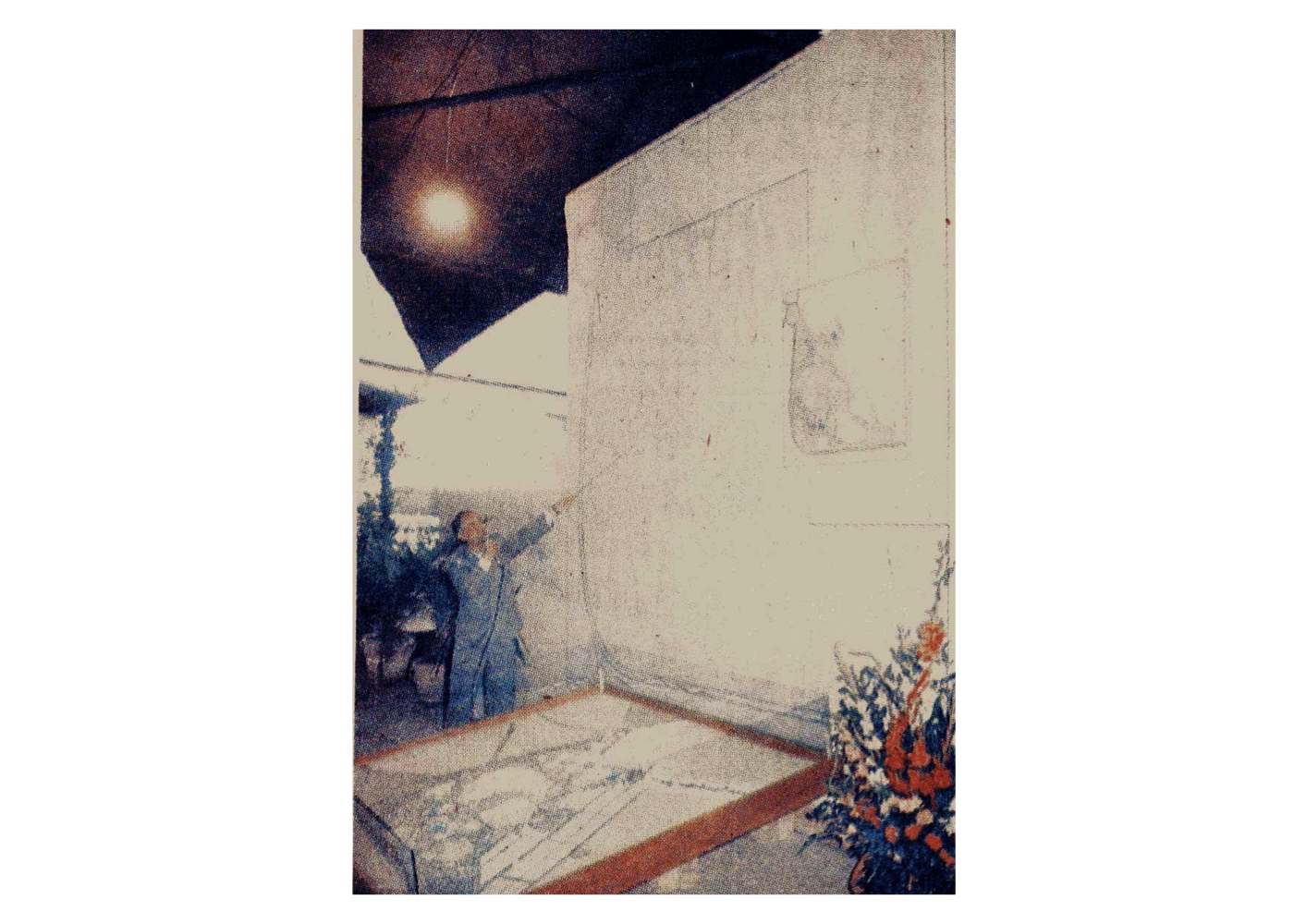
1987 – Preparation for Birjand Project
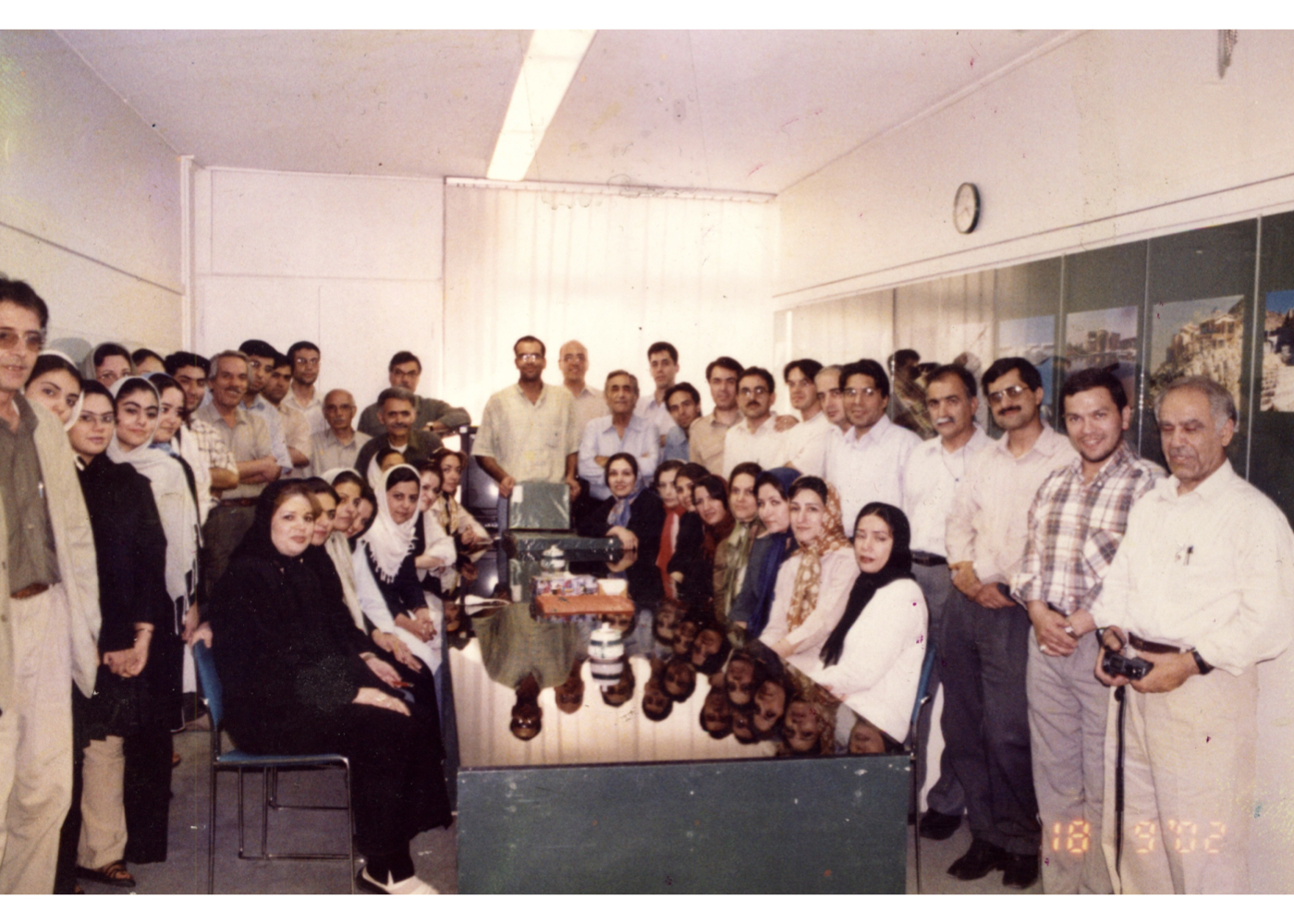
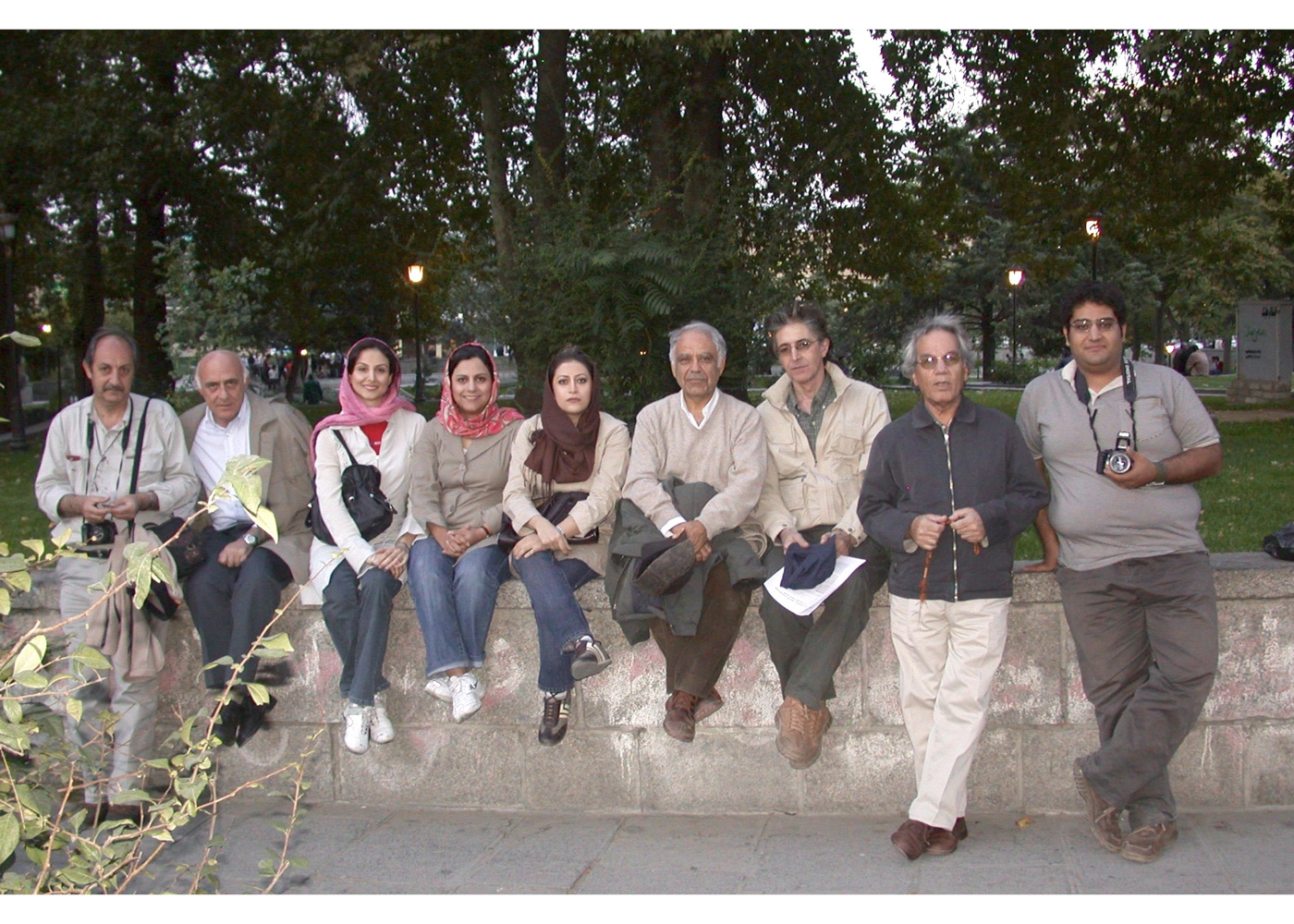
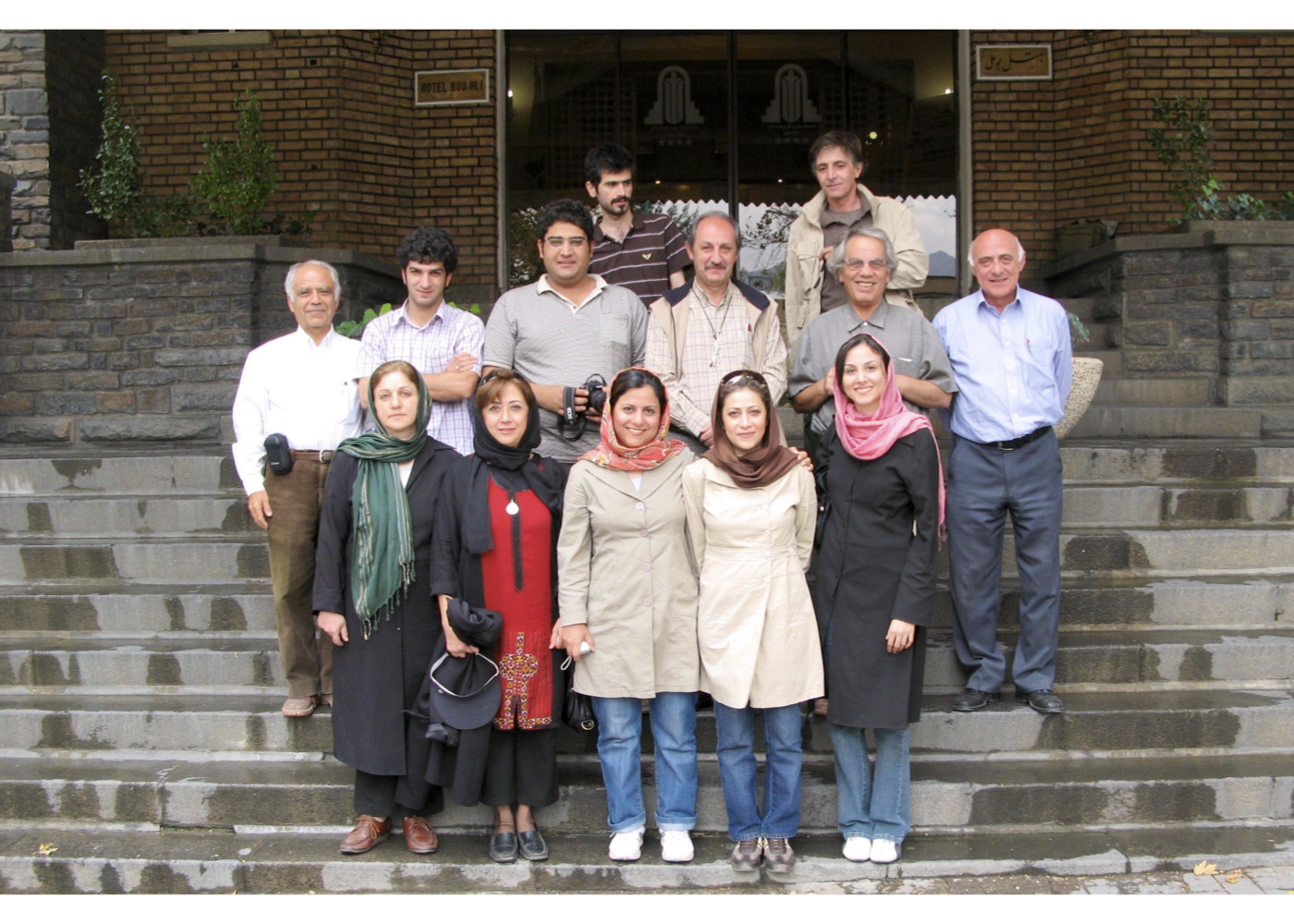
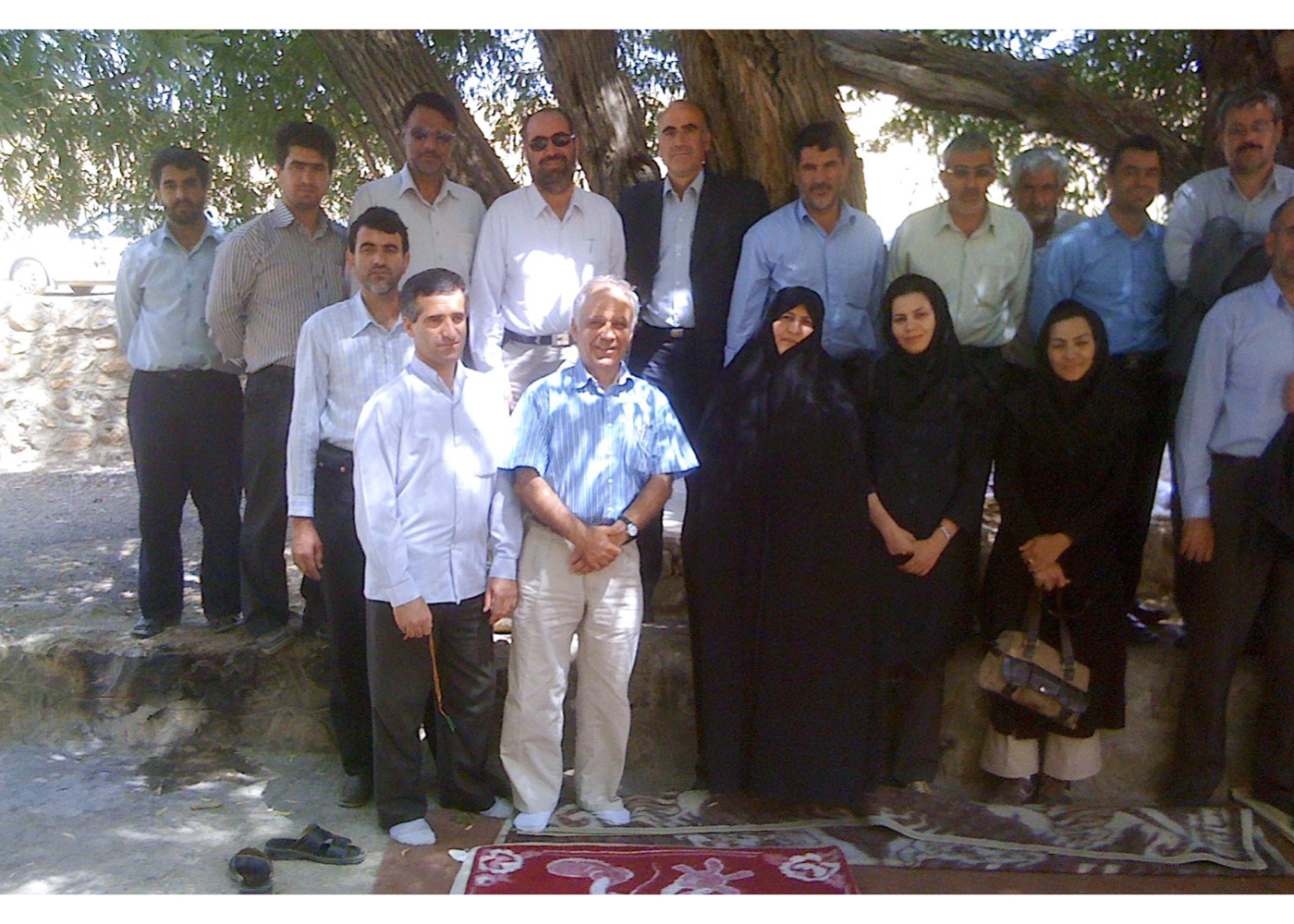
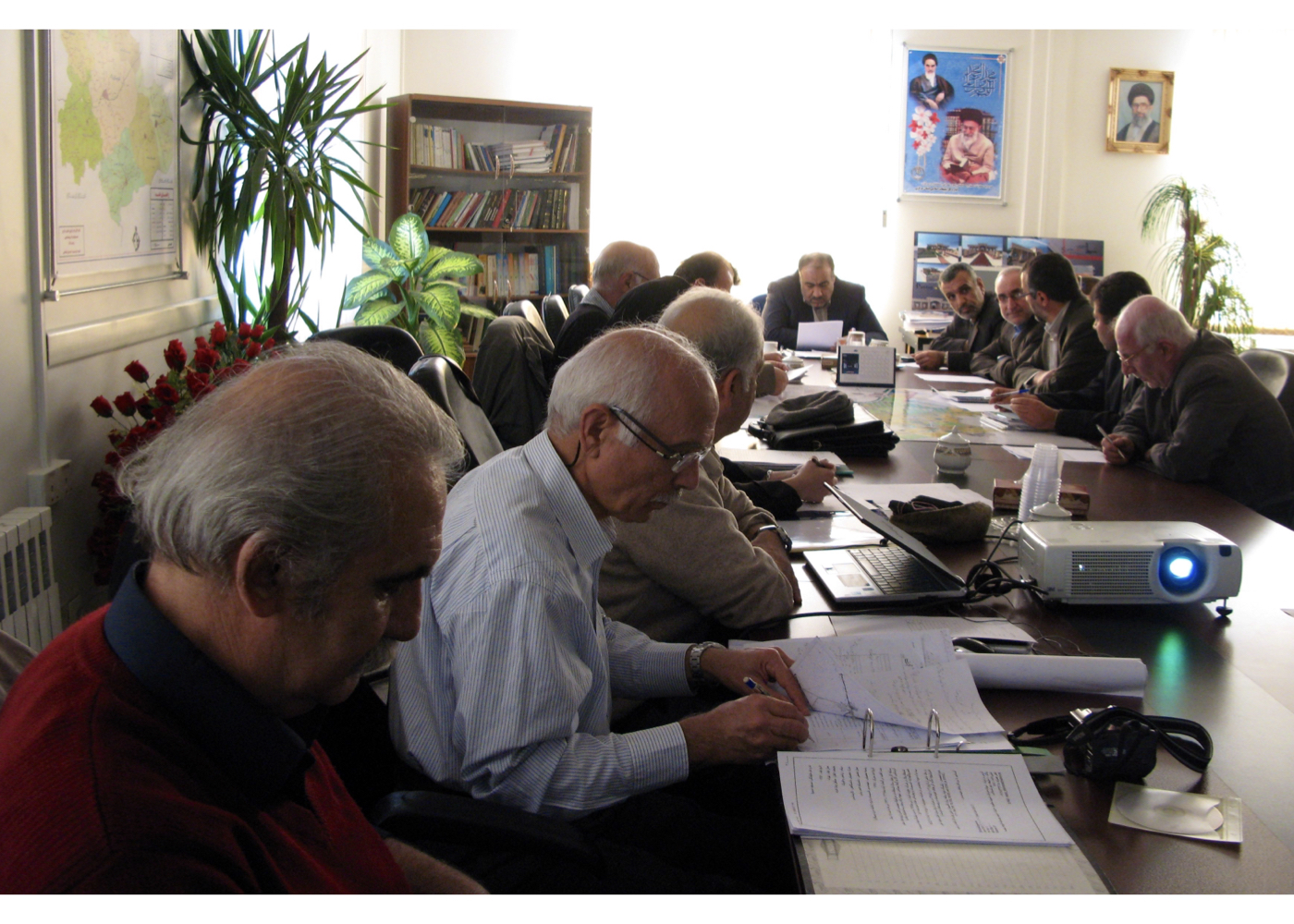
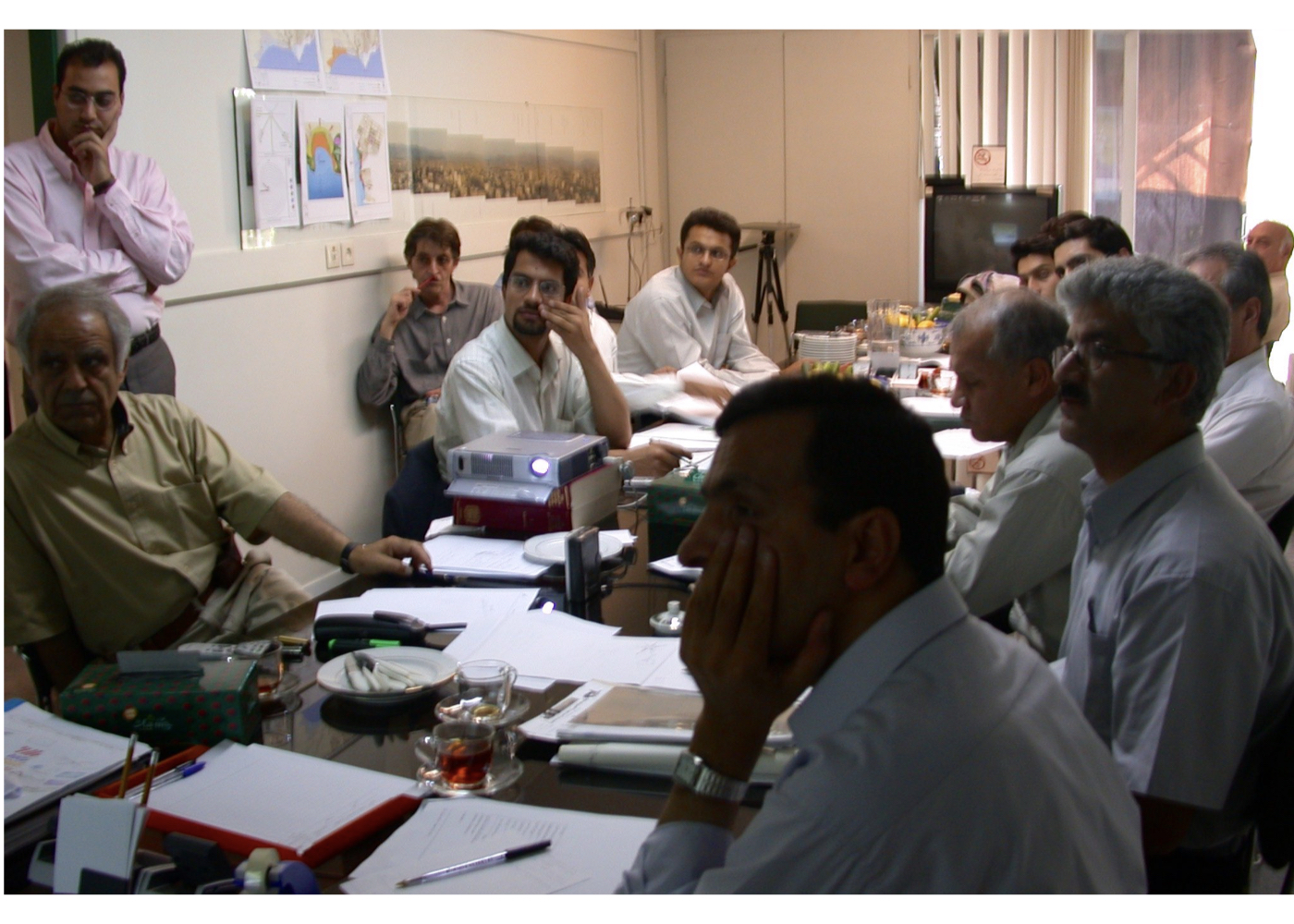
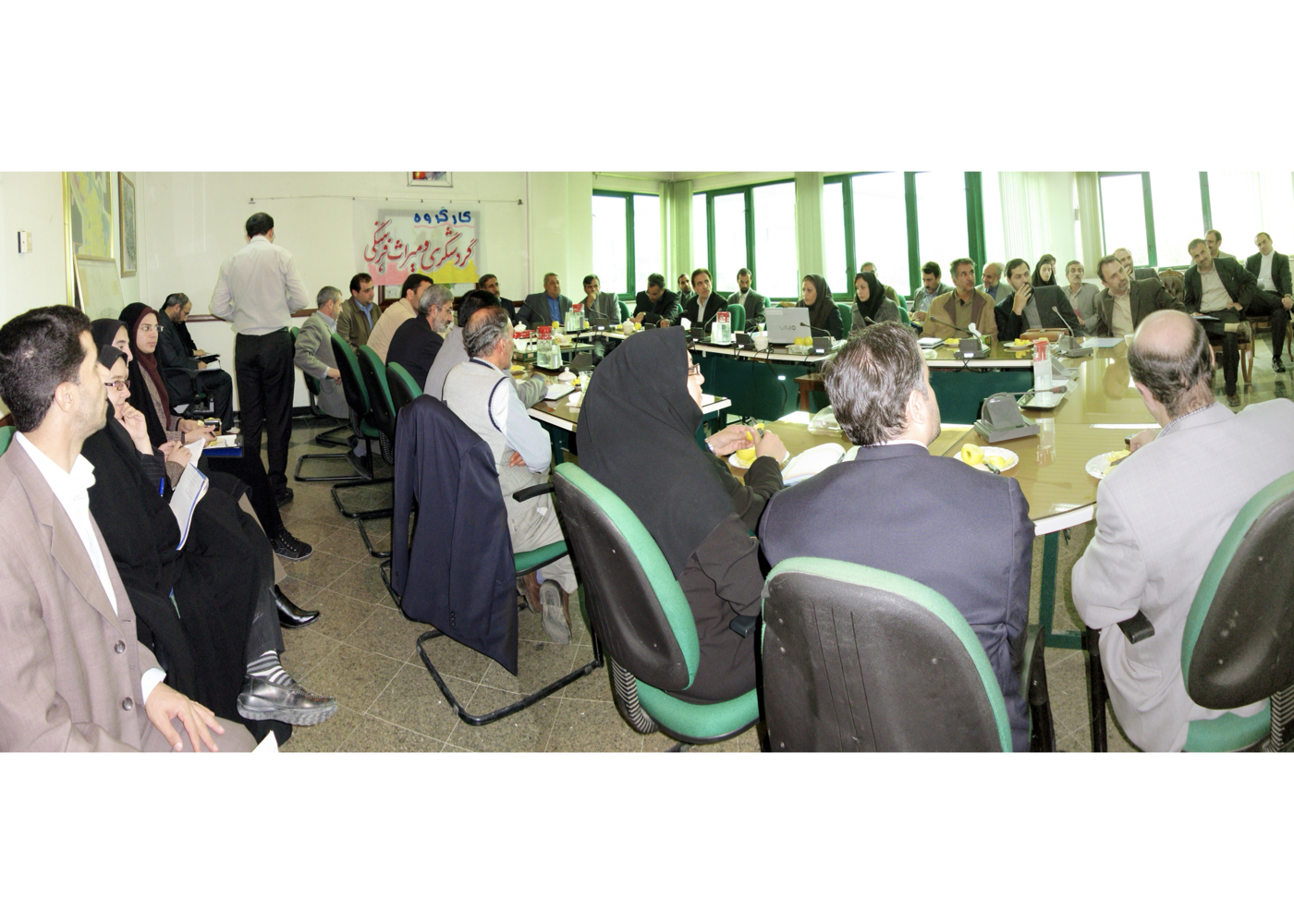
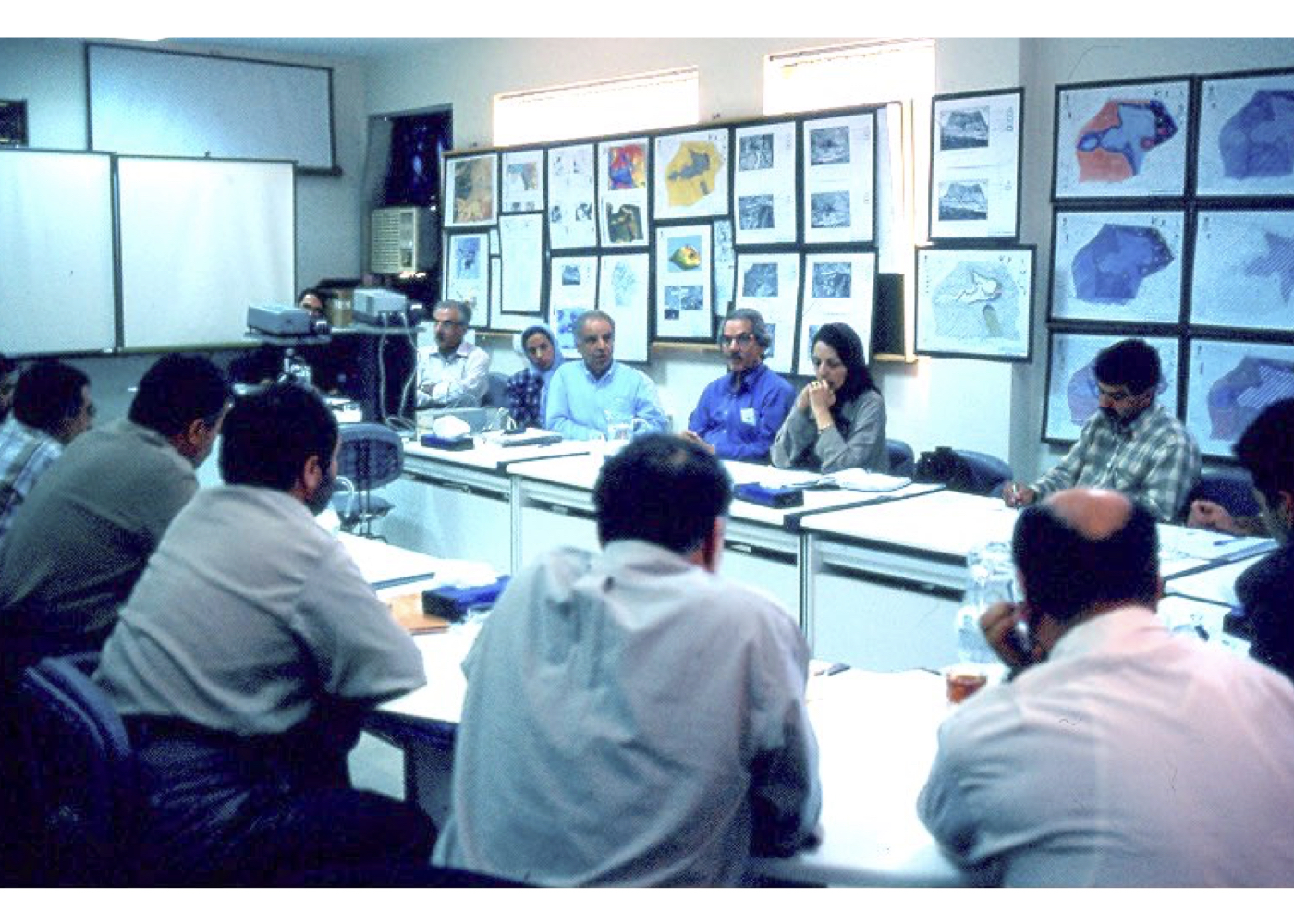
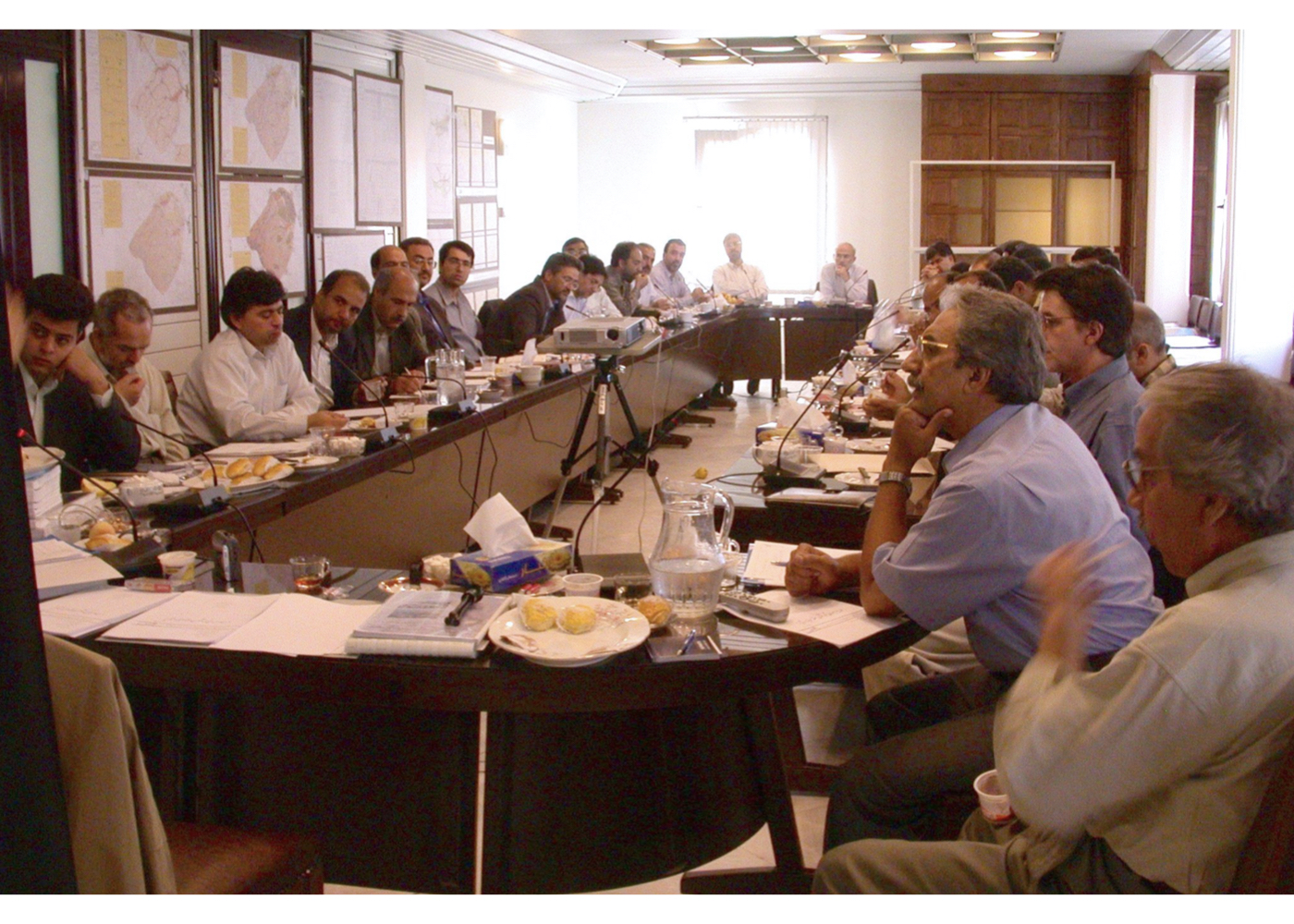
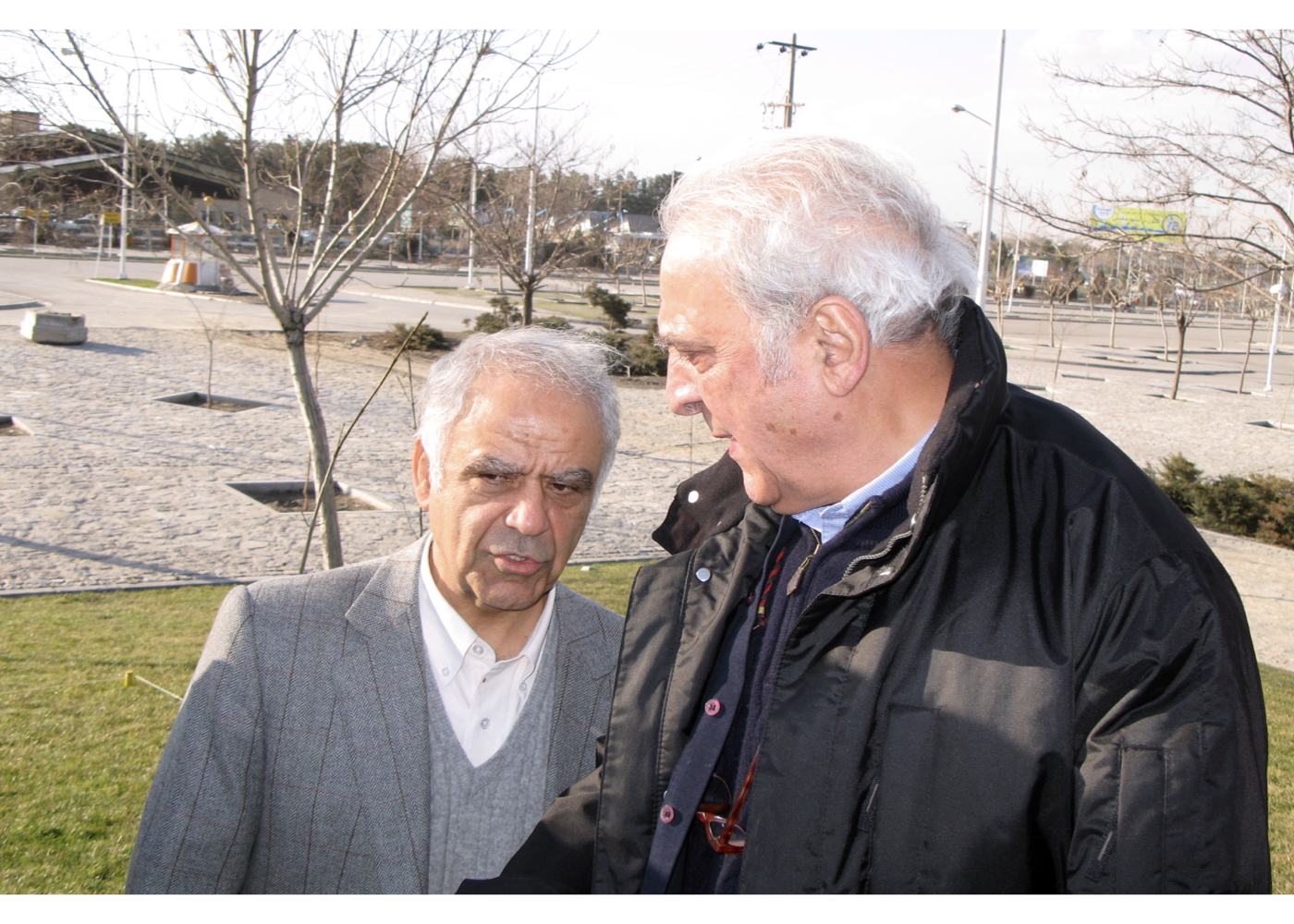
2002 – With colleagues at Baft-e-Shahr
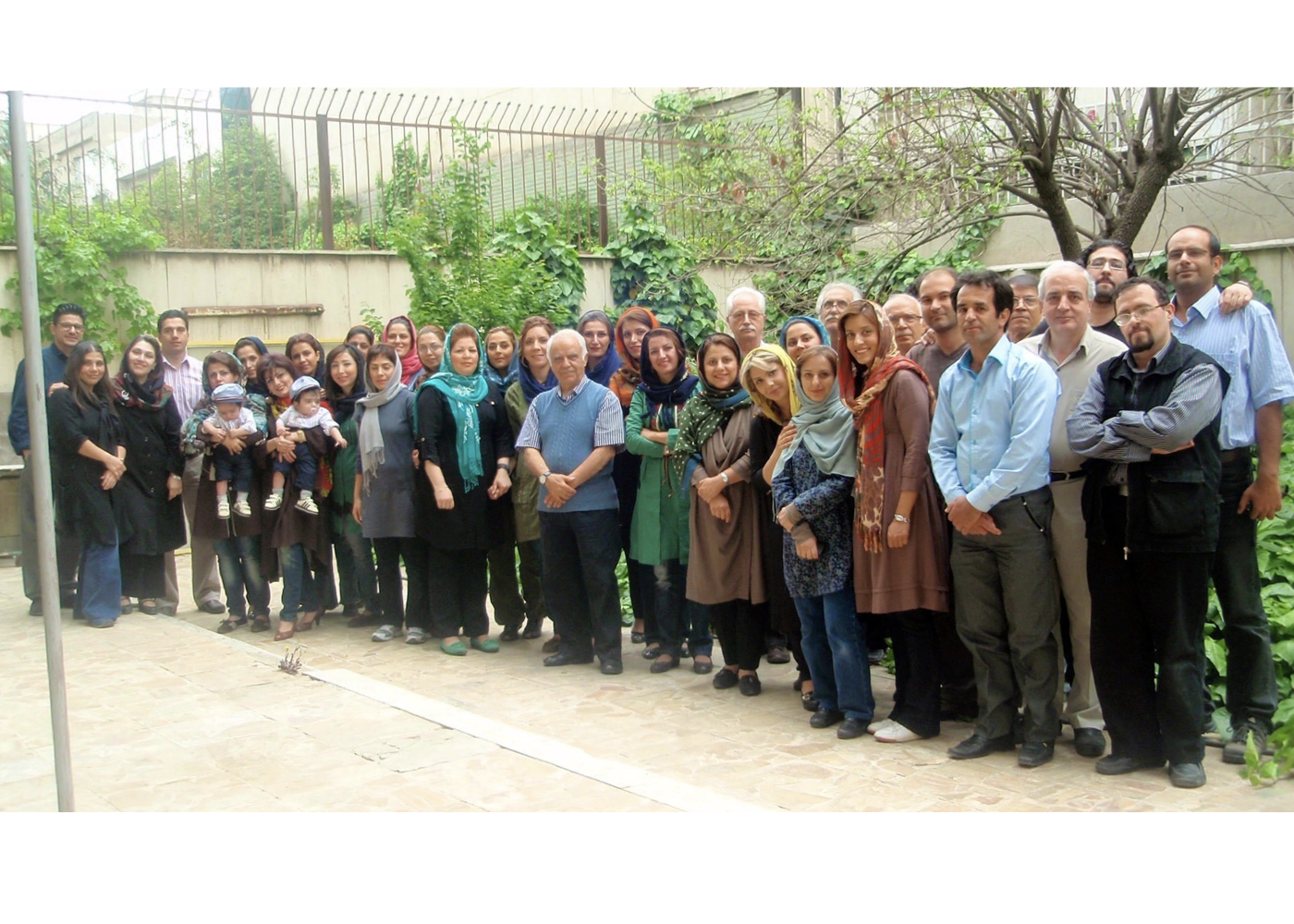
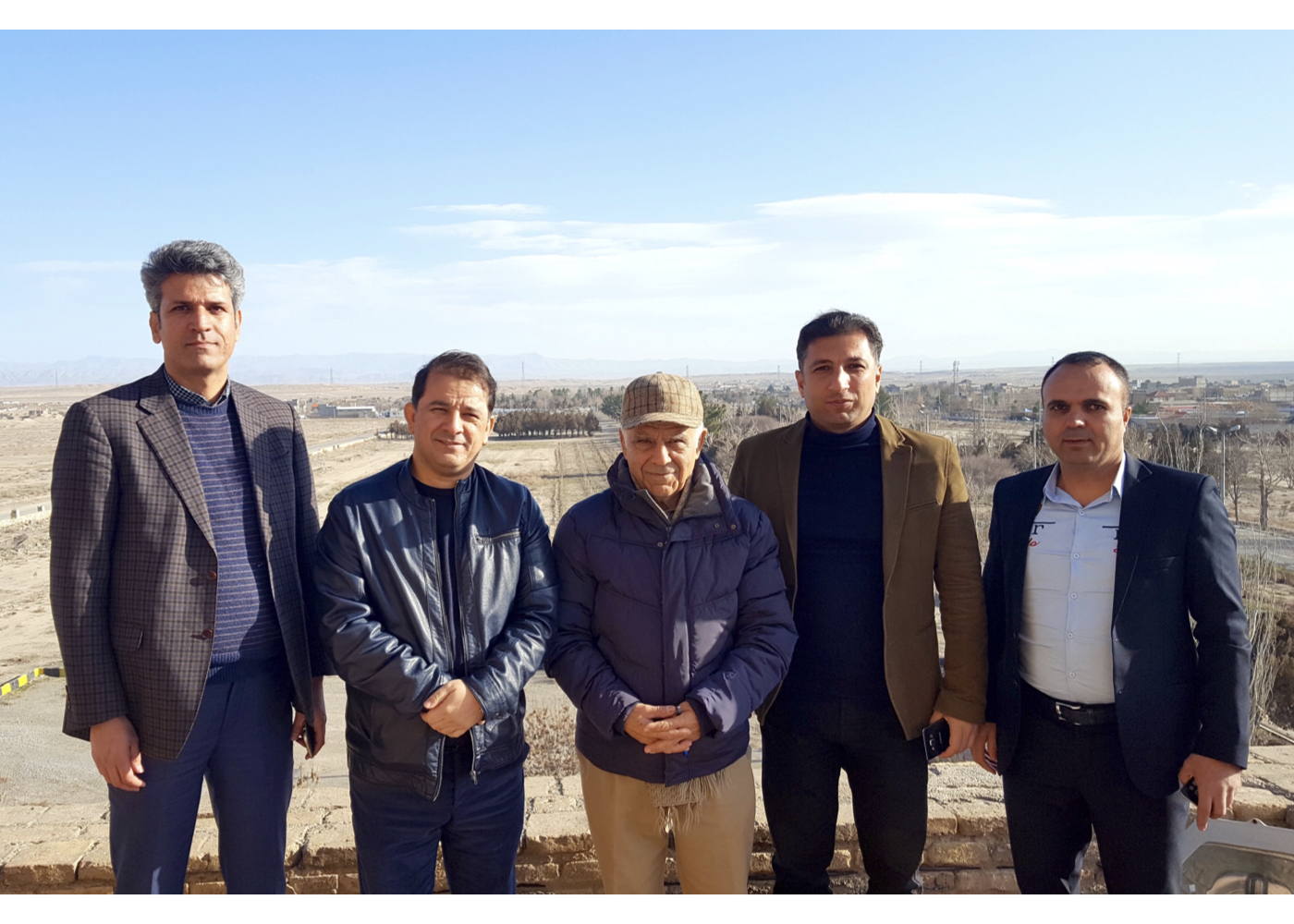
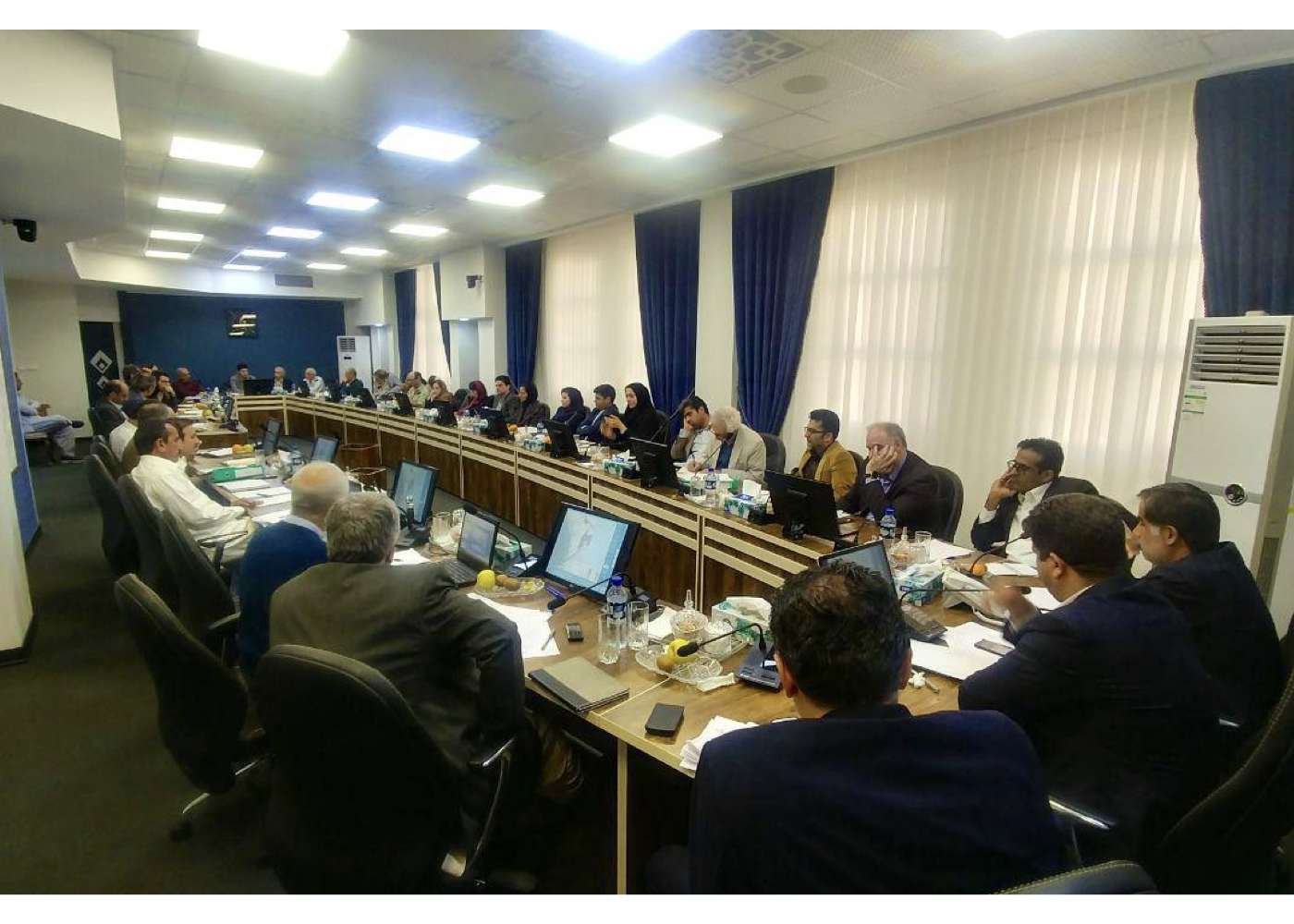
2013 – With colleagues at Baft-e Shahr
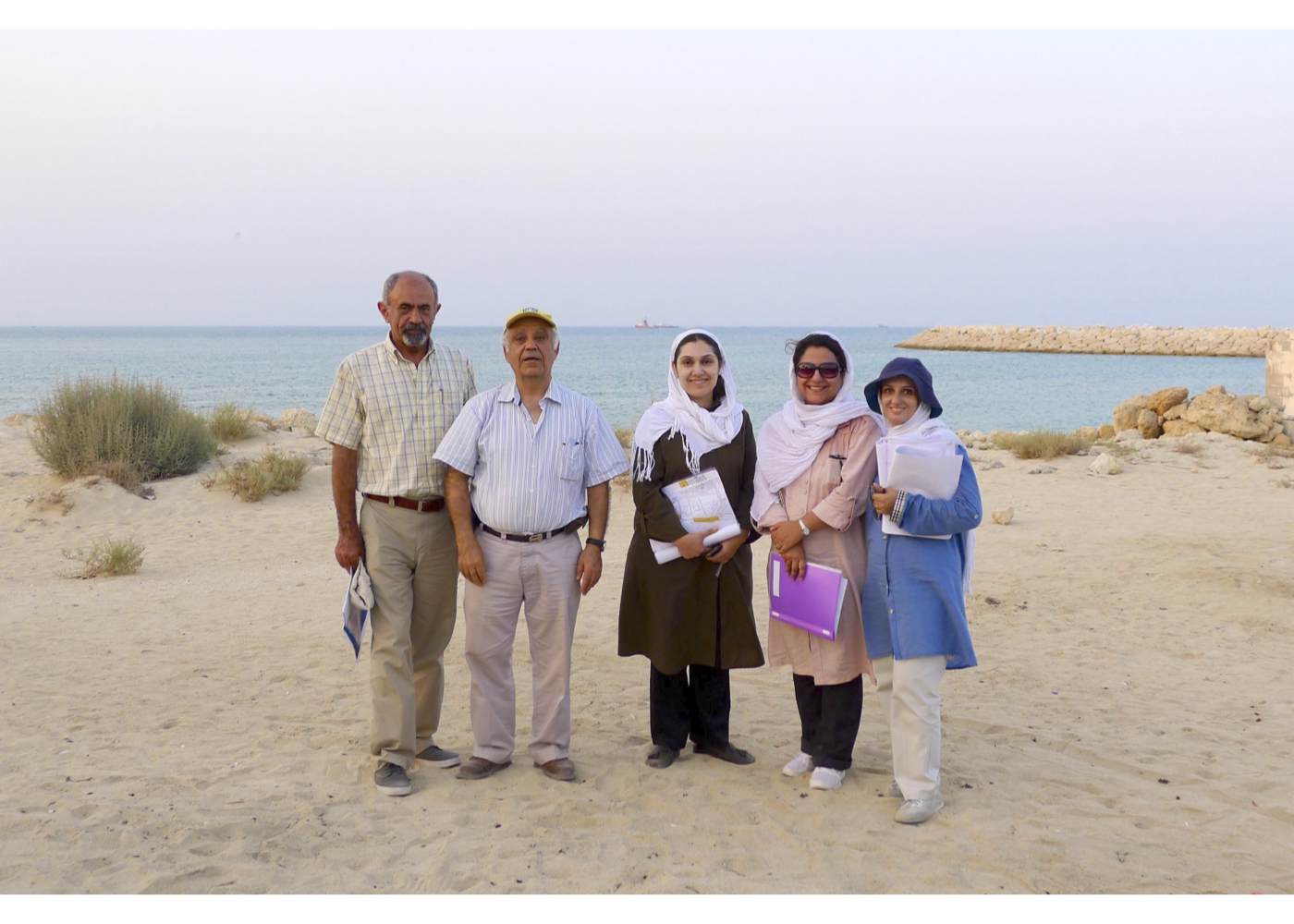
Chabahar – Free Zone – Second Project – A Section of the Project Study Group
Hamedan – Ecbatan – A Section of the Project Study Group
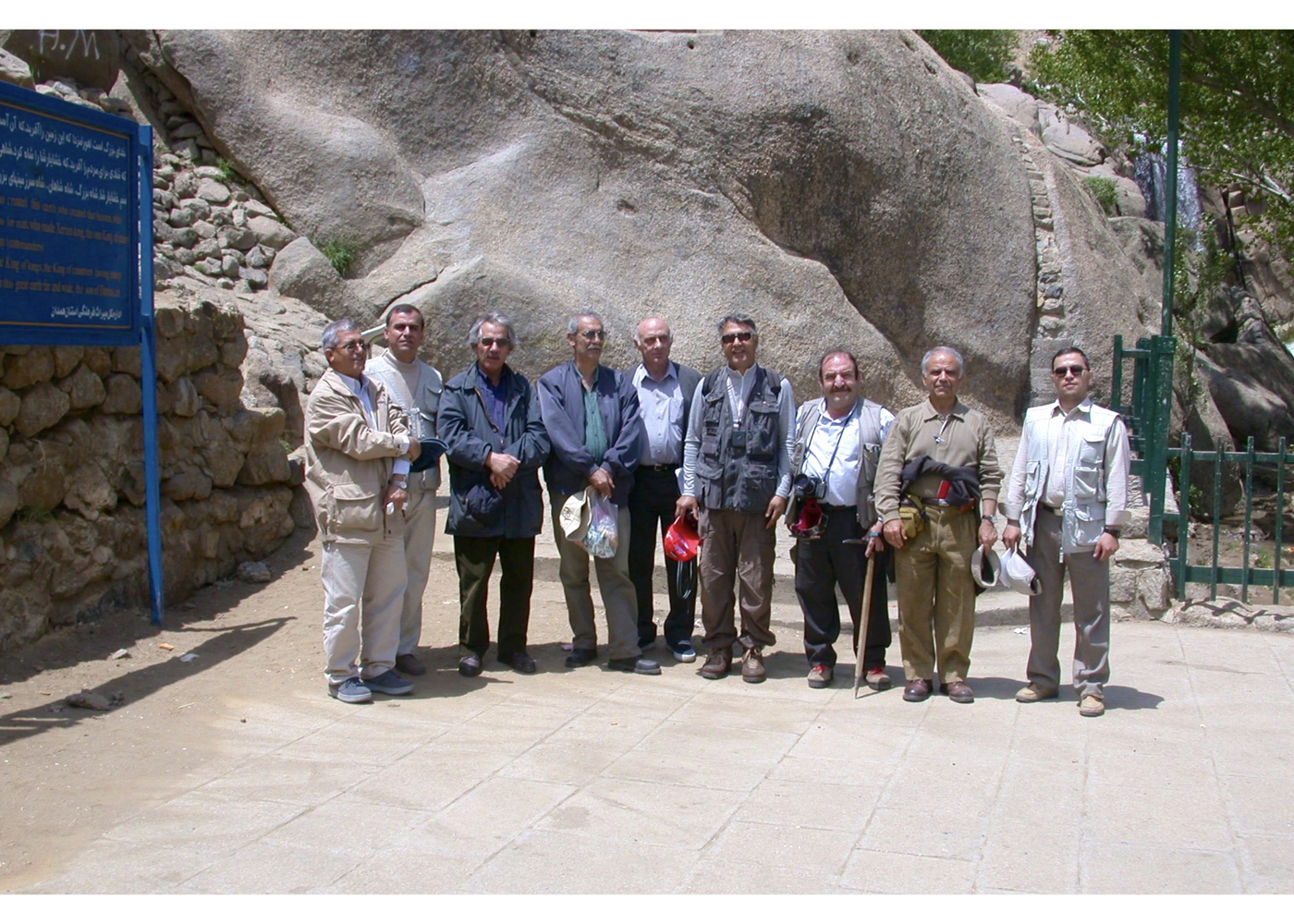
Hamedan – Ganjnameh – First Expert Team
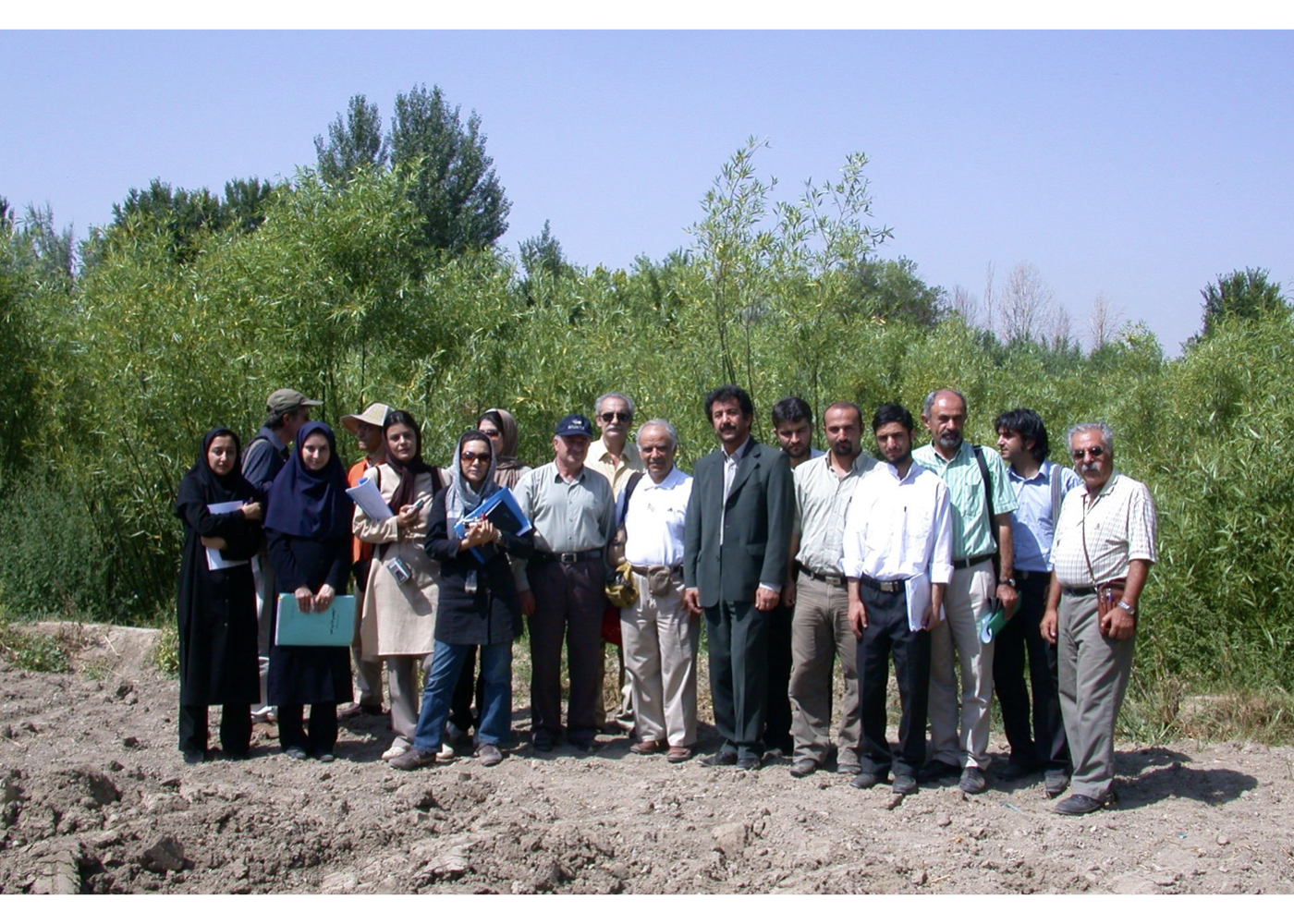
Hamedan – Ganjnameh – Second Expert Team
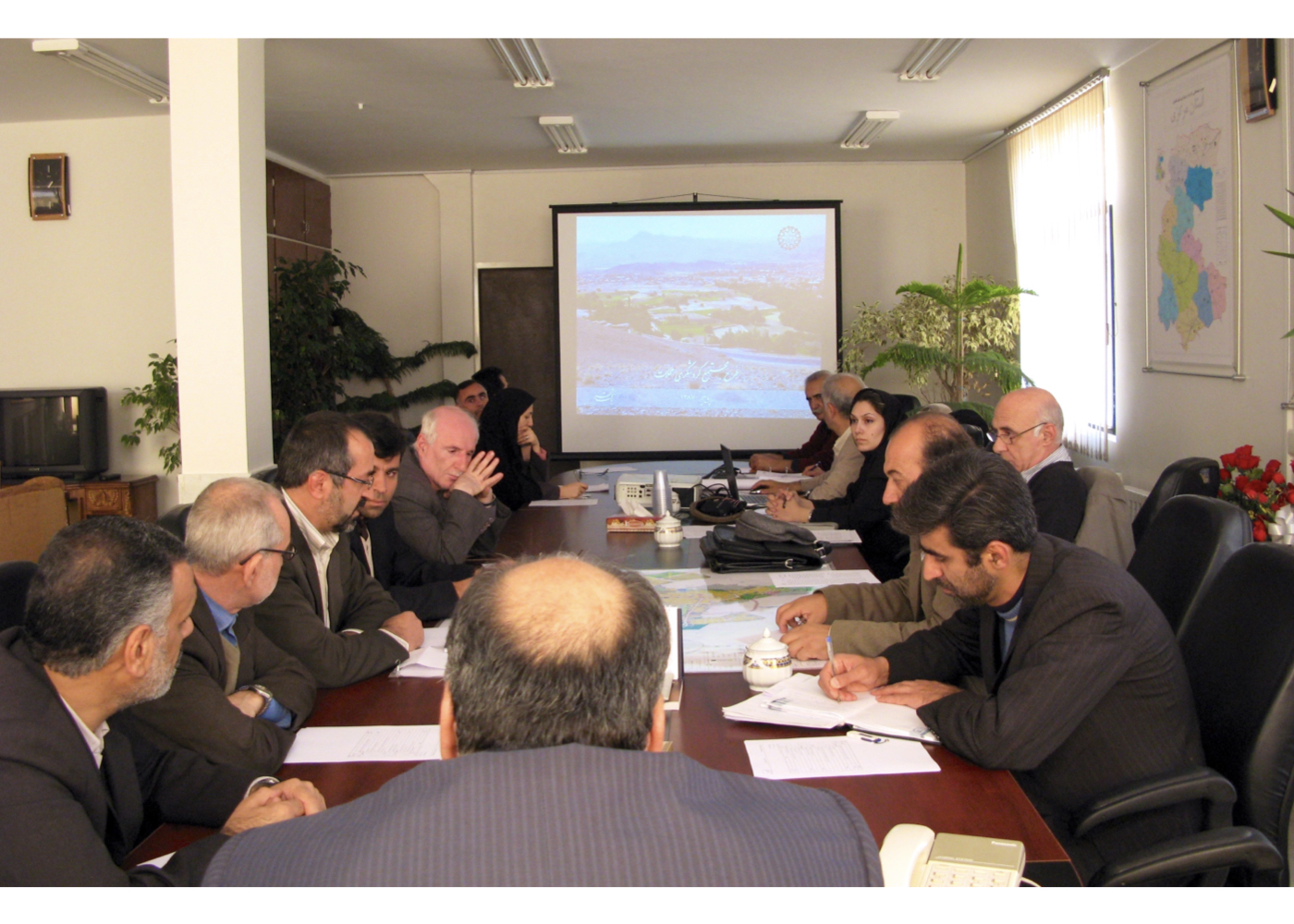
Hamedan – Hai-Darreh – A Section of the Project Study Group
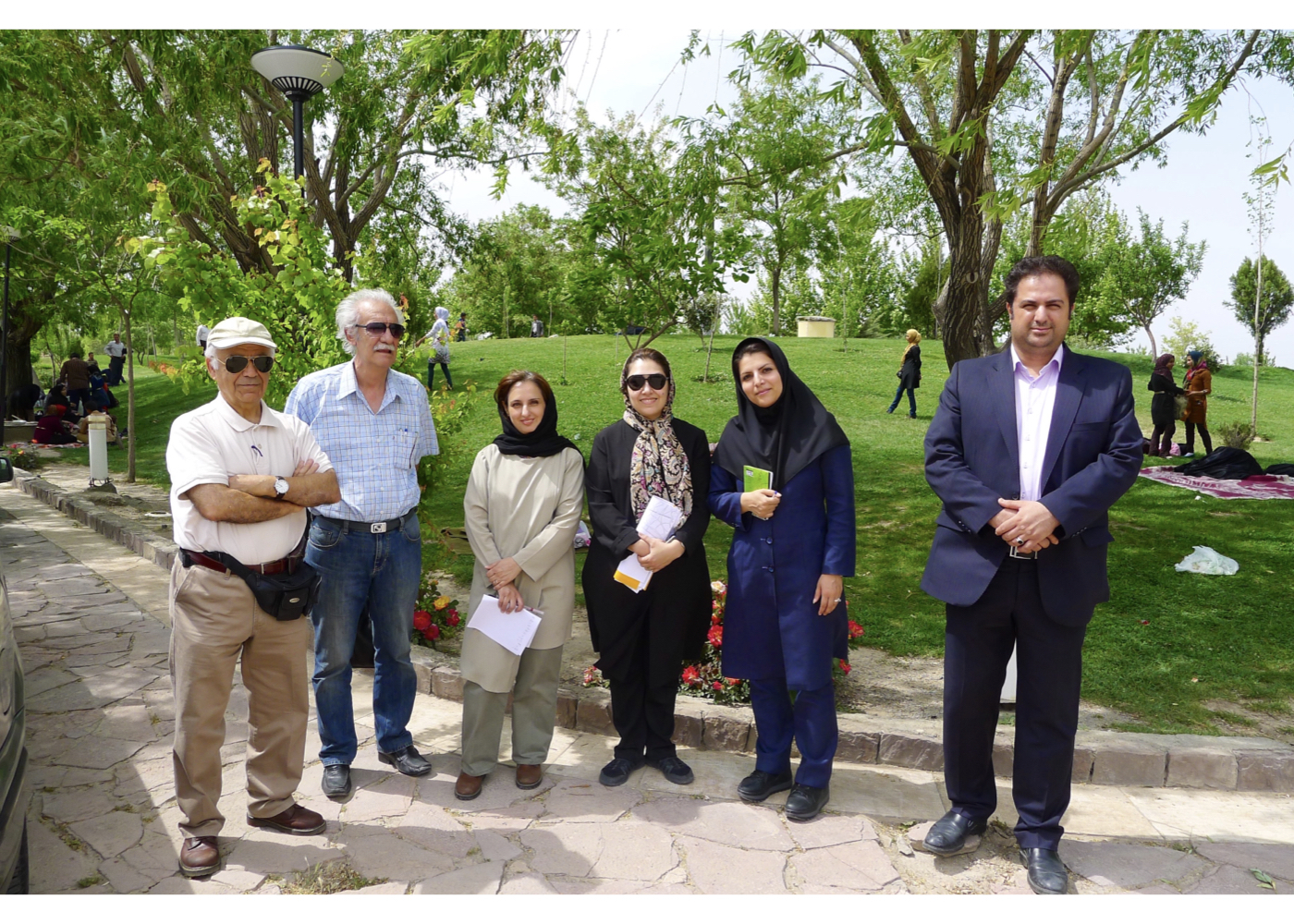
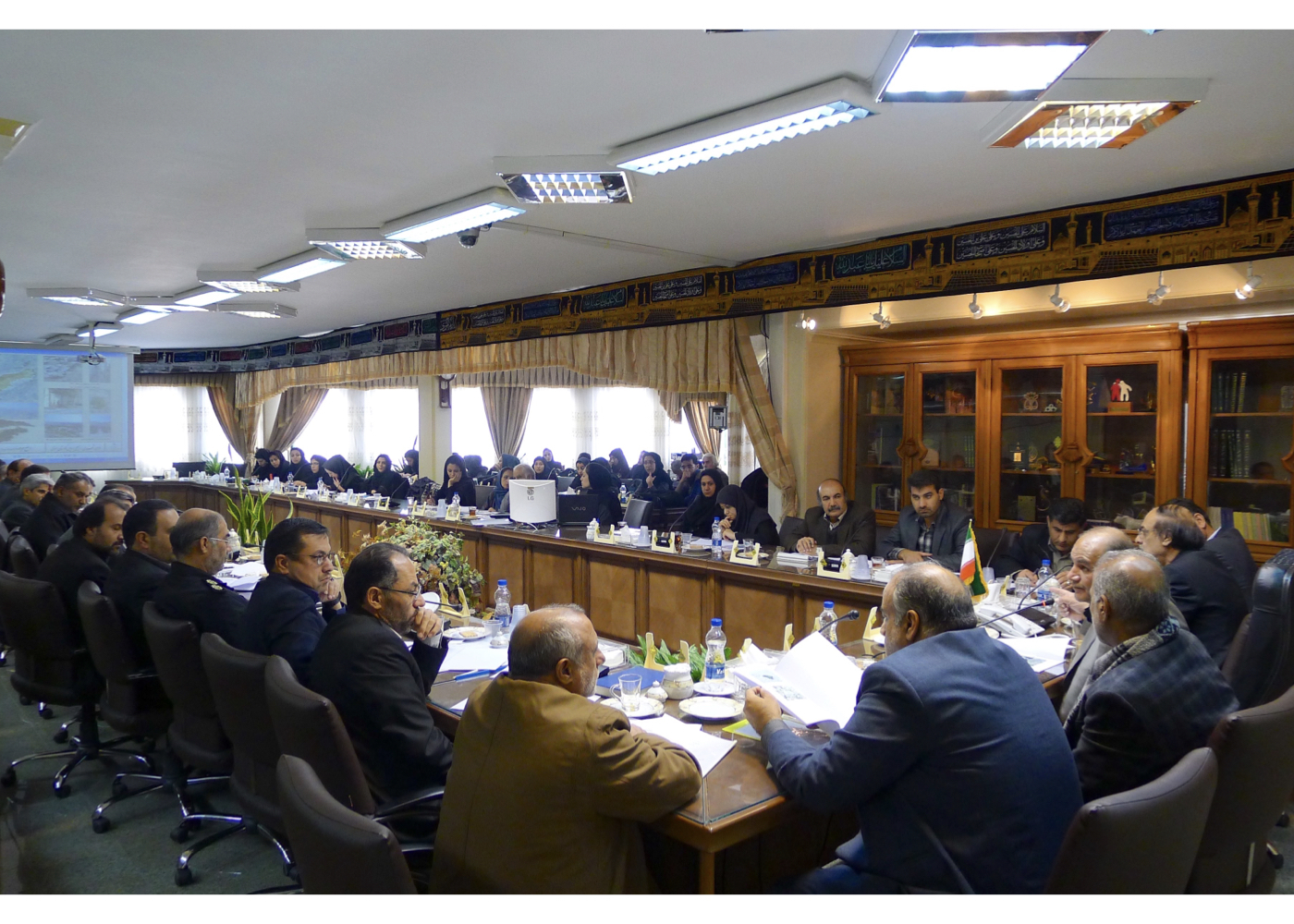
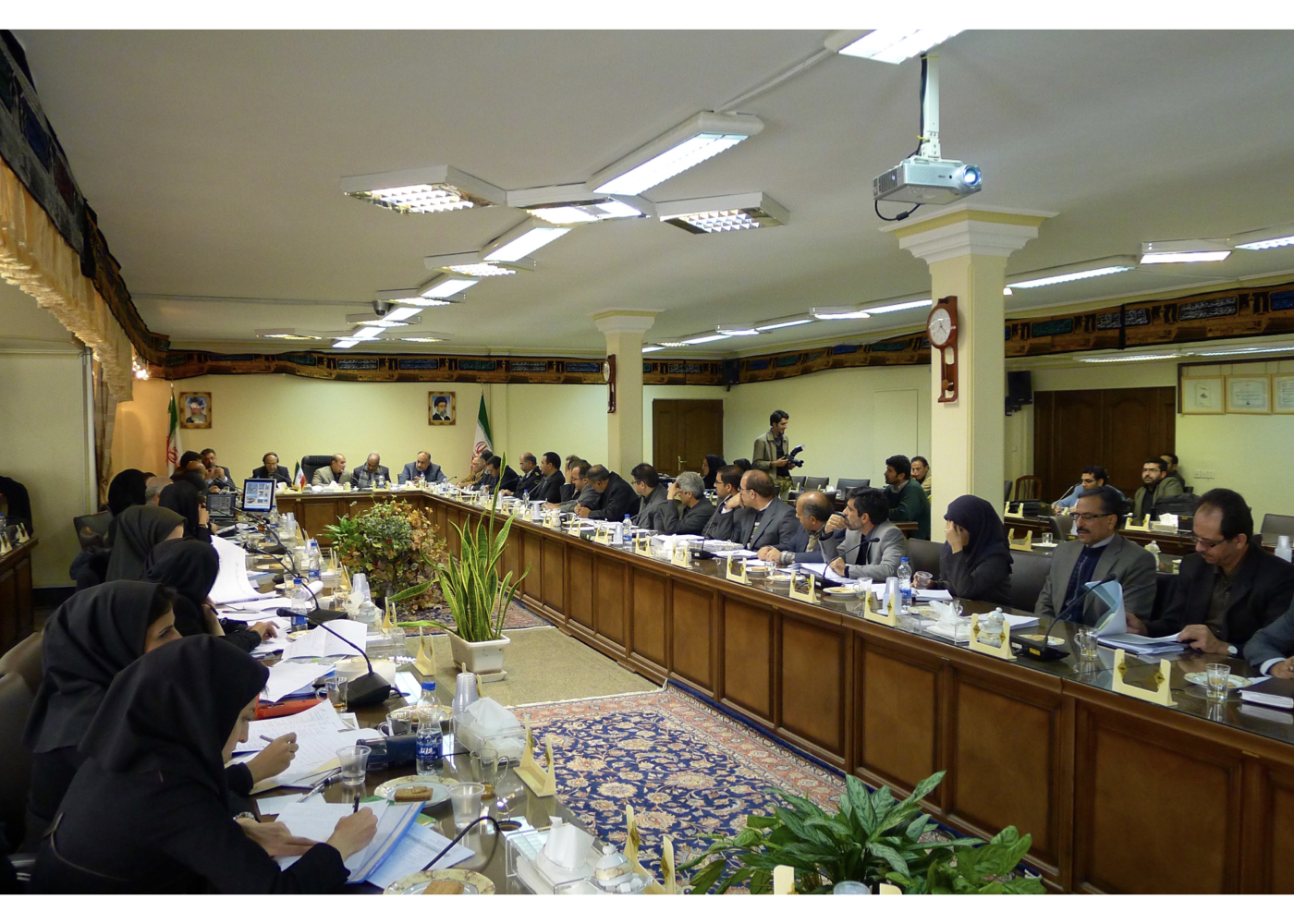
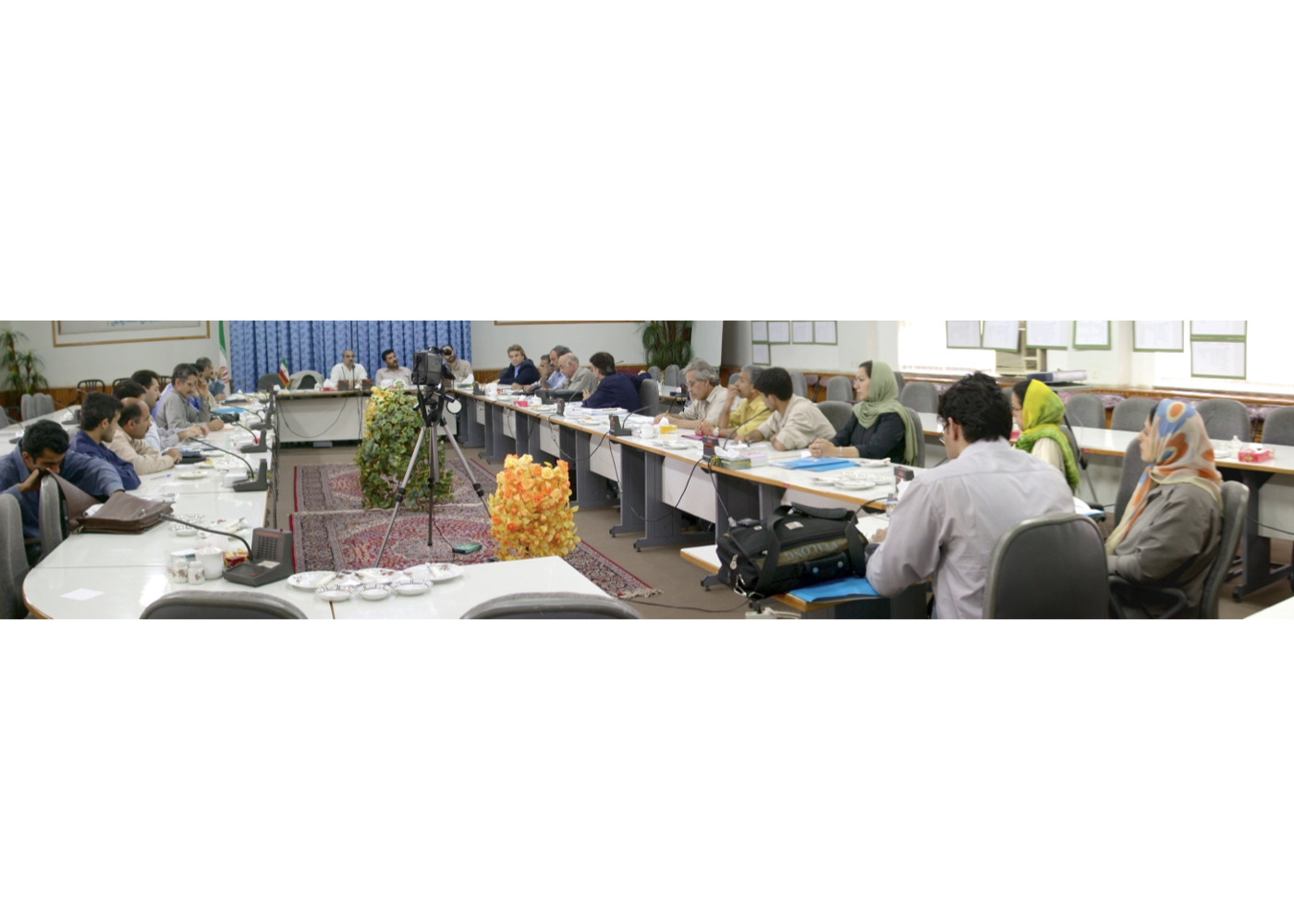
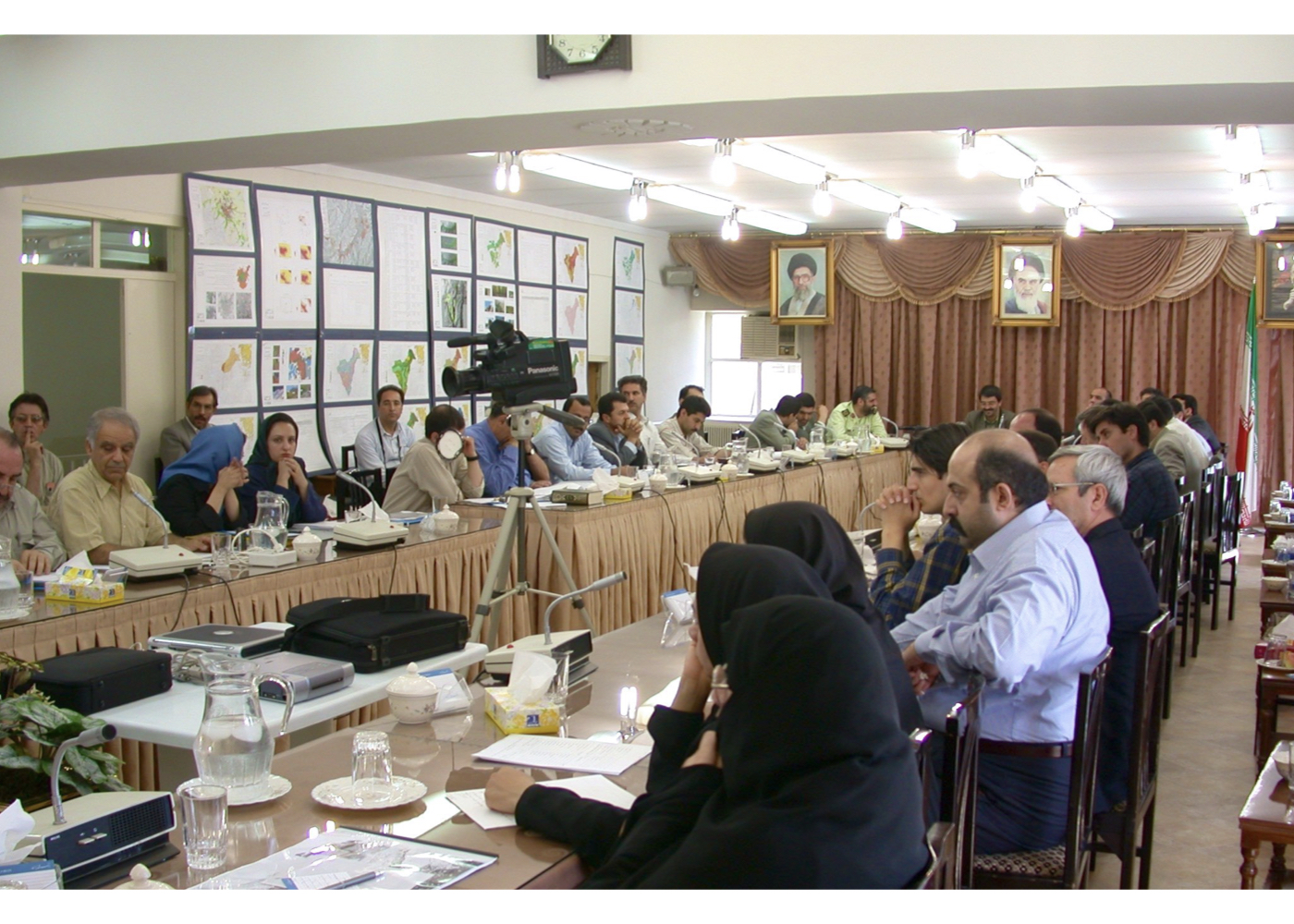
Isfahan – Eastern Lands – A Section of the Project Study Group and Client Experts
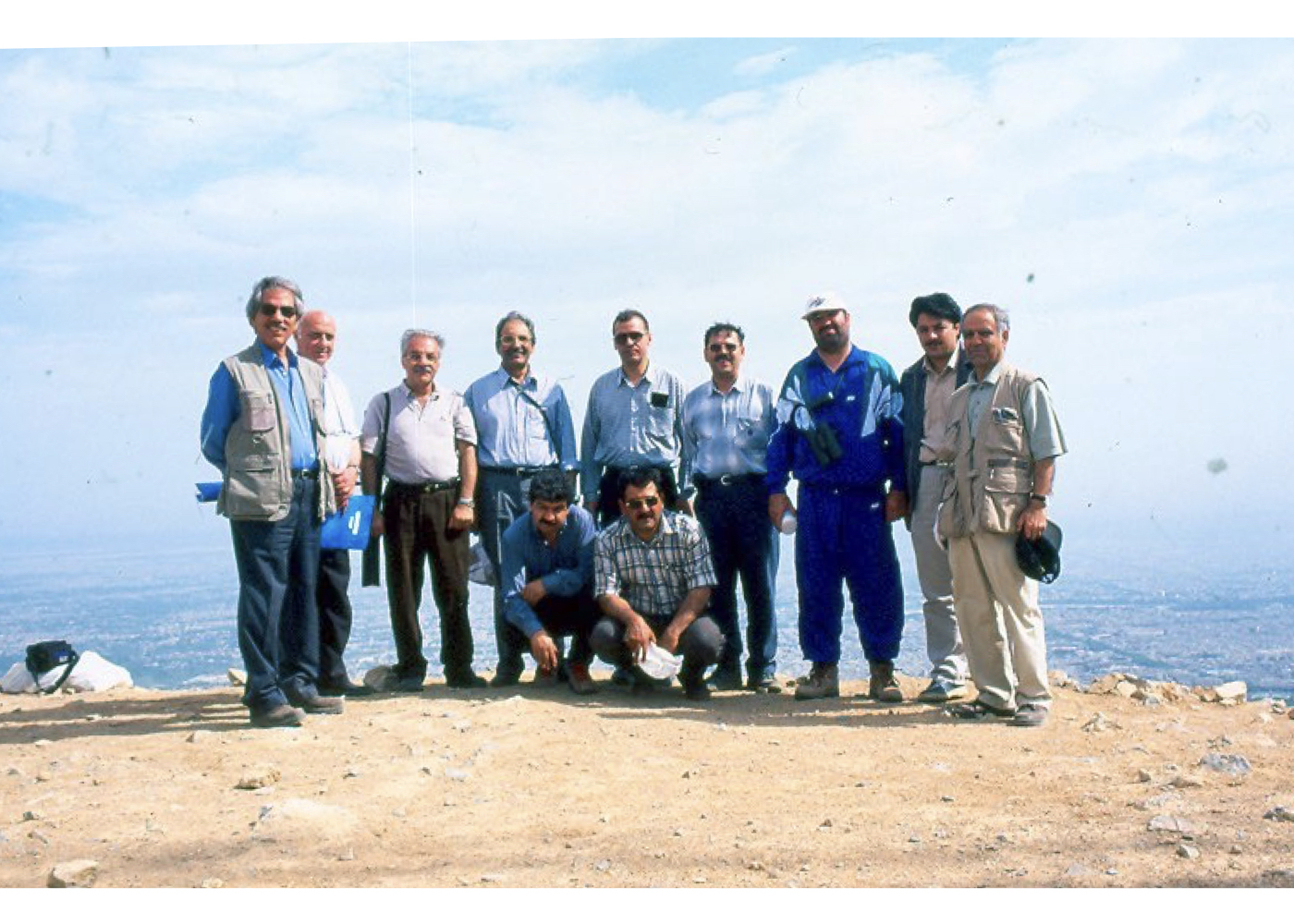
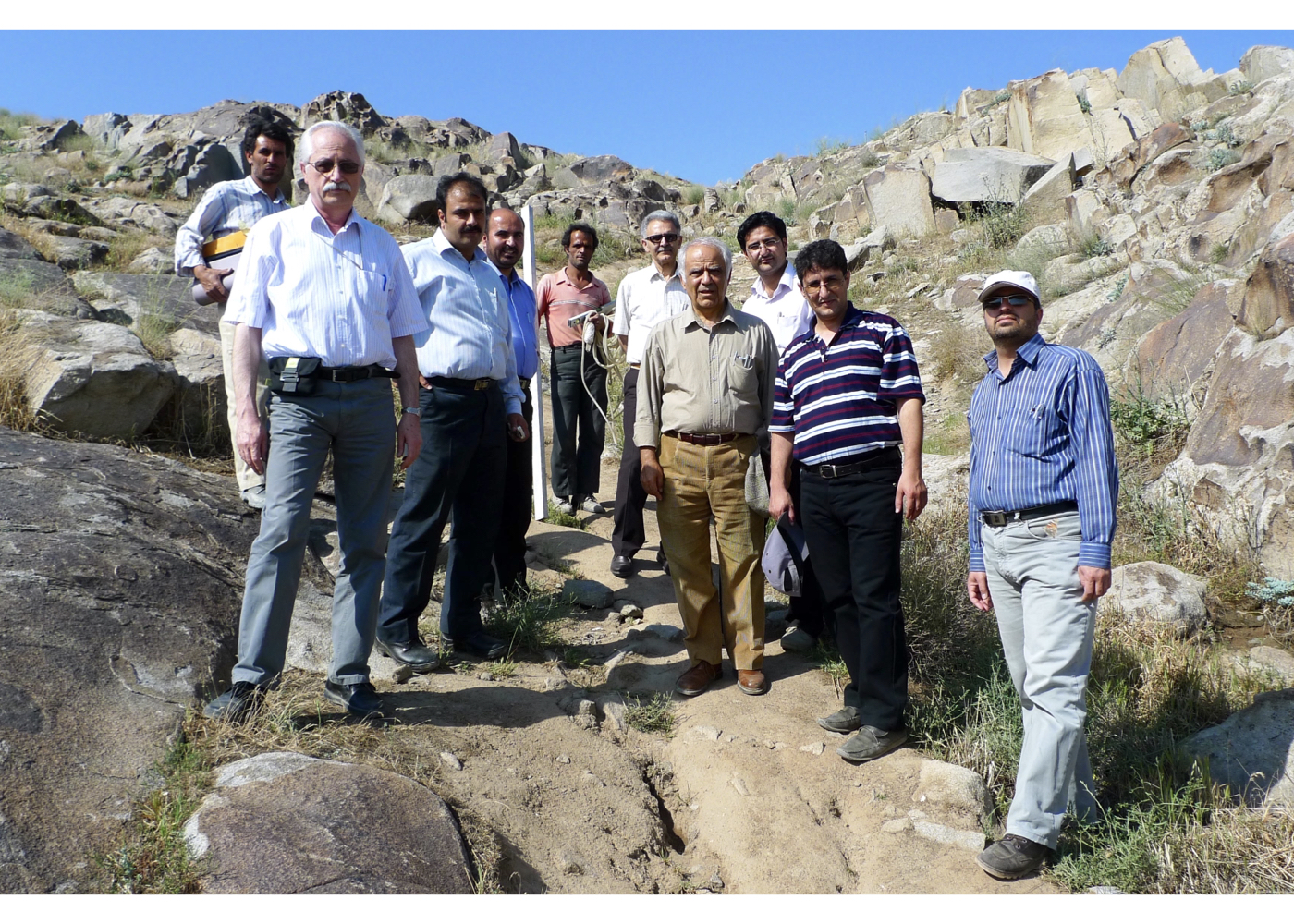
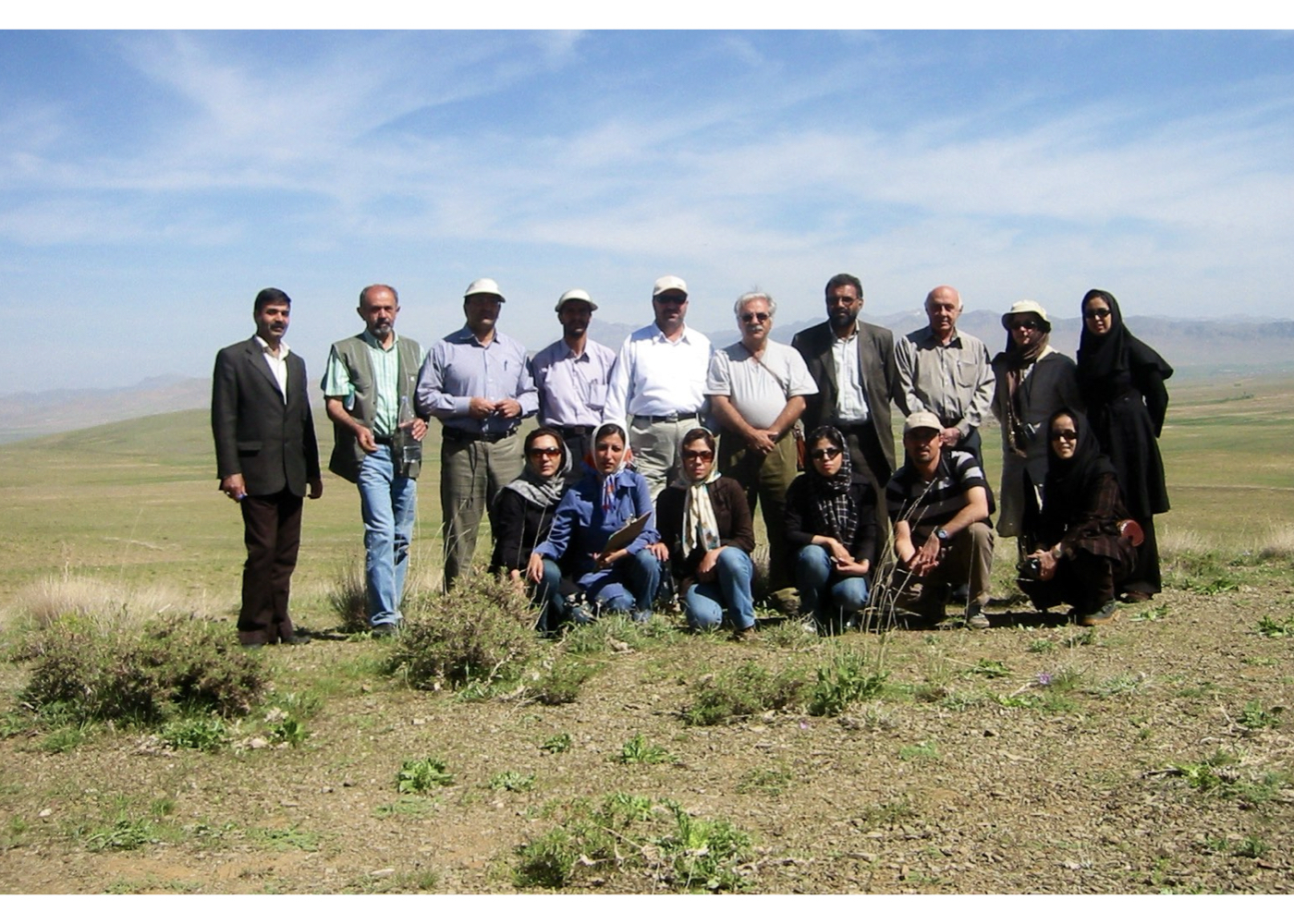
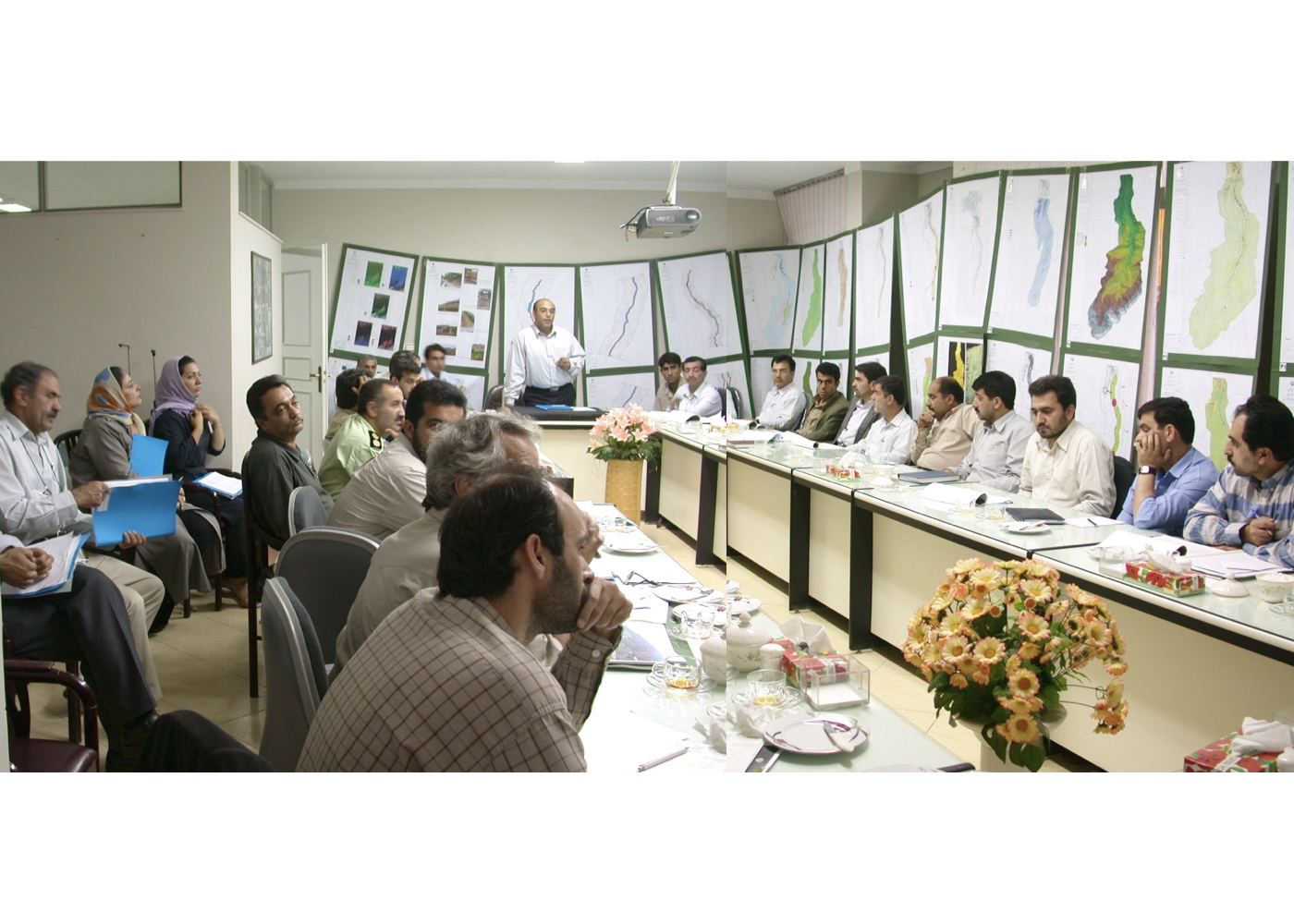
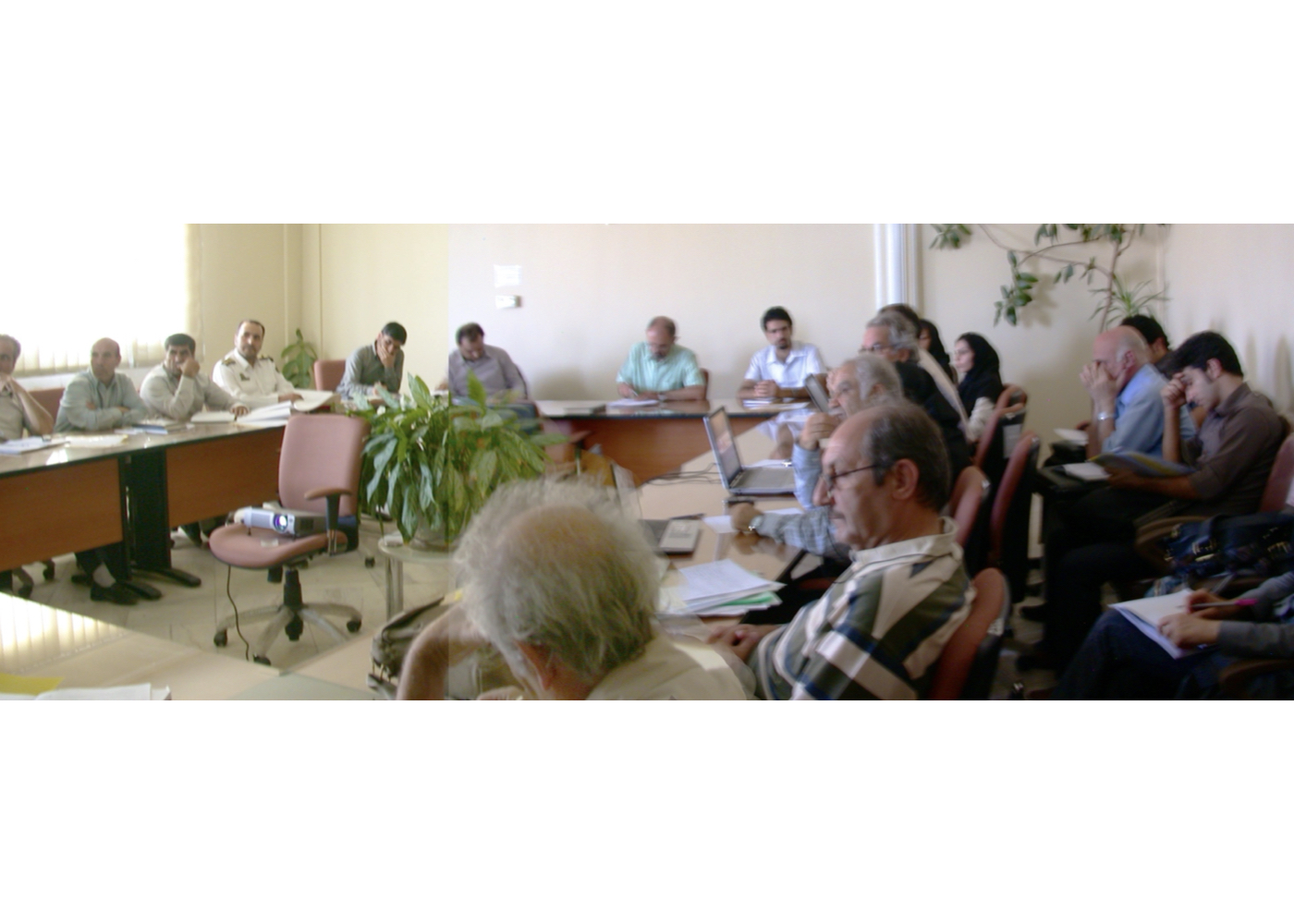
Isfahan – Soffeh Mountain – A Section of the Project Study Group
Khorramabad – Kiu Garden – A Section of the Project Study Group
Khorramabad – Main Corridor – A Section of the Project Study Group
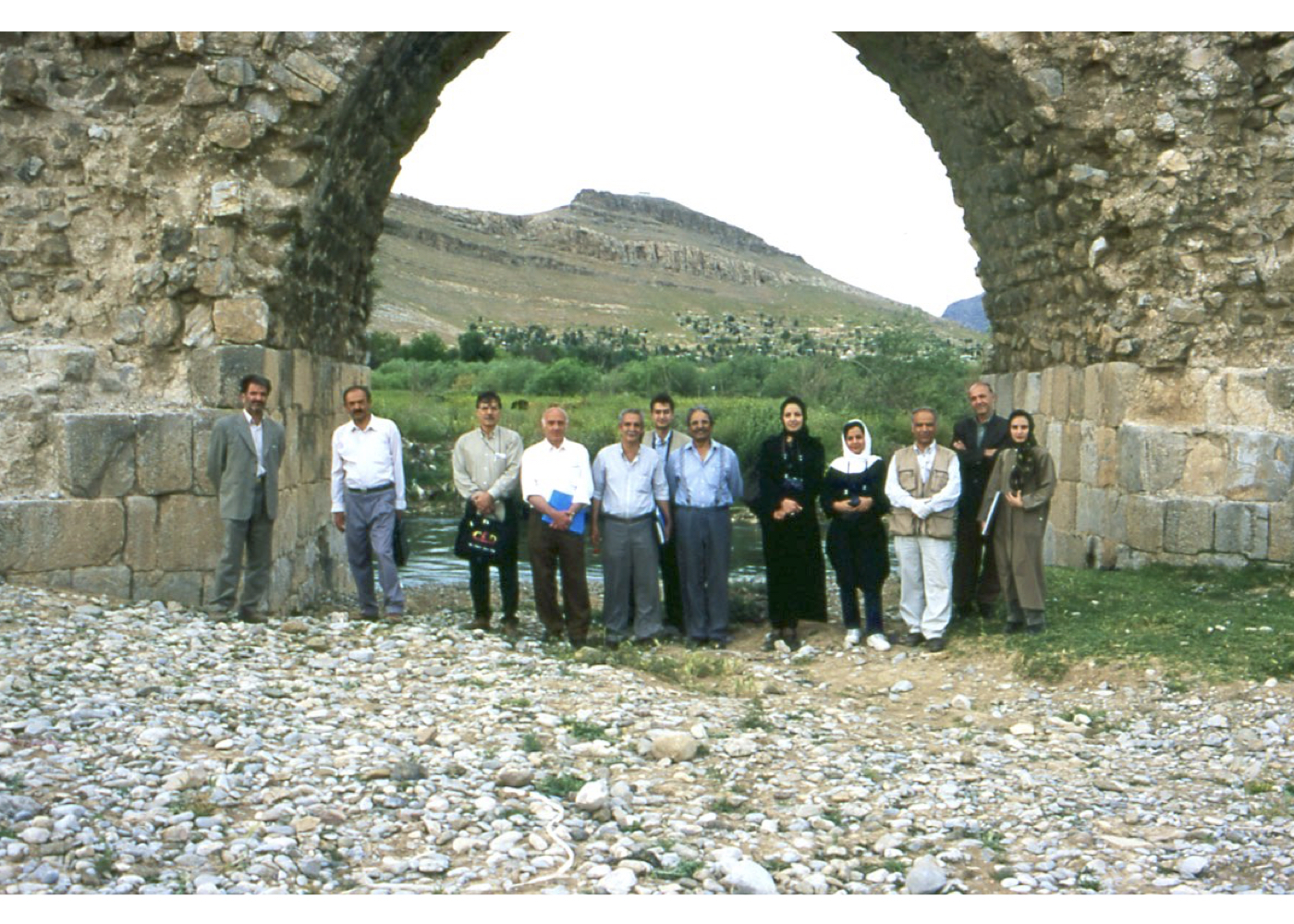
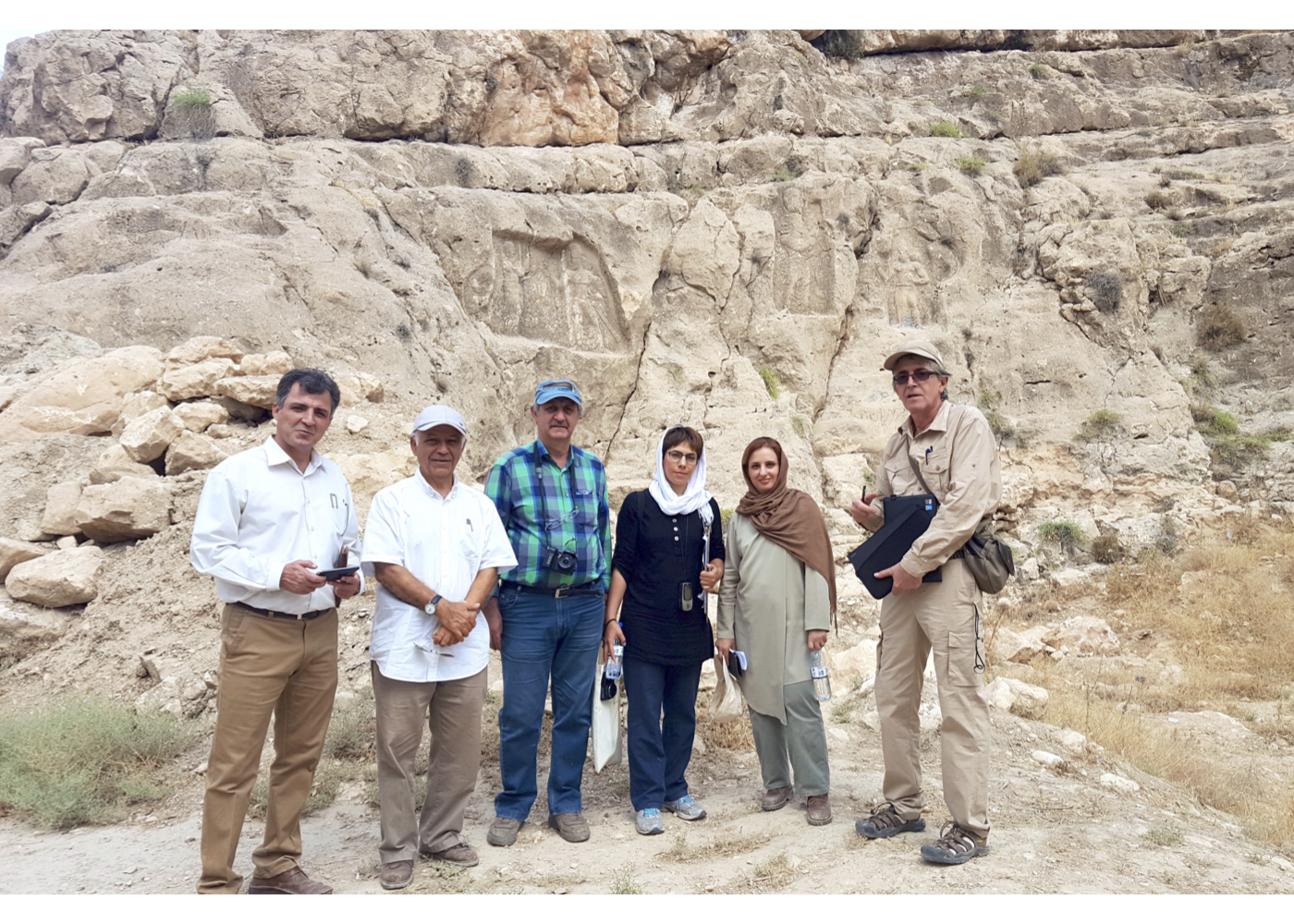
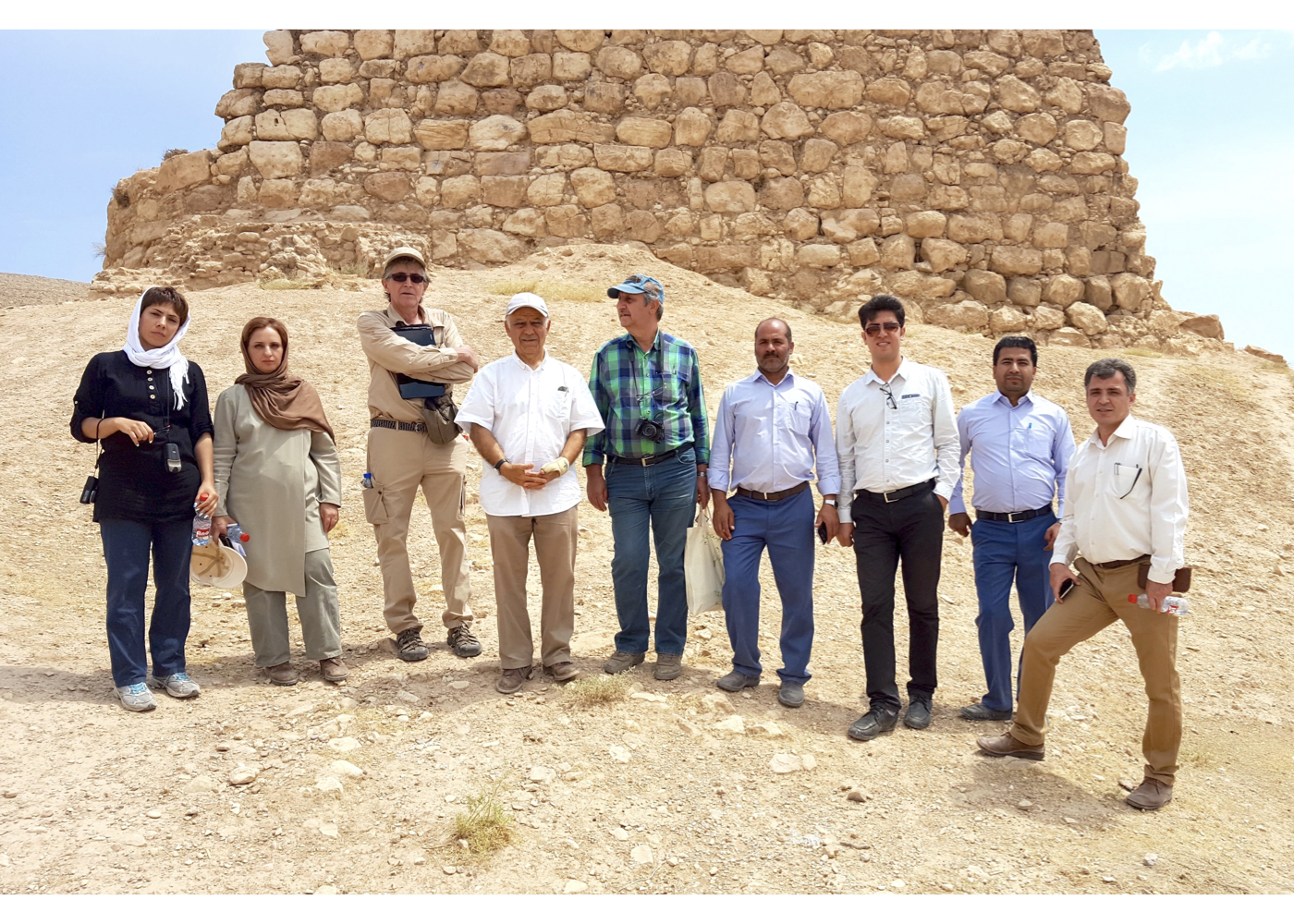
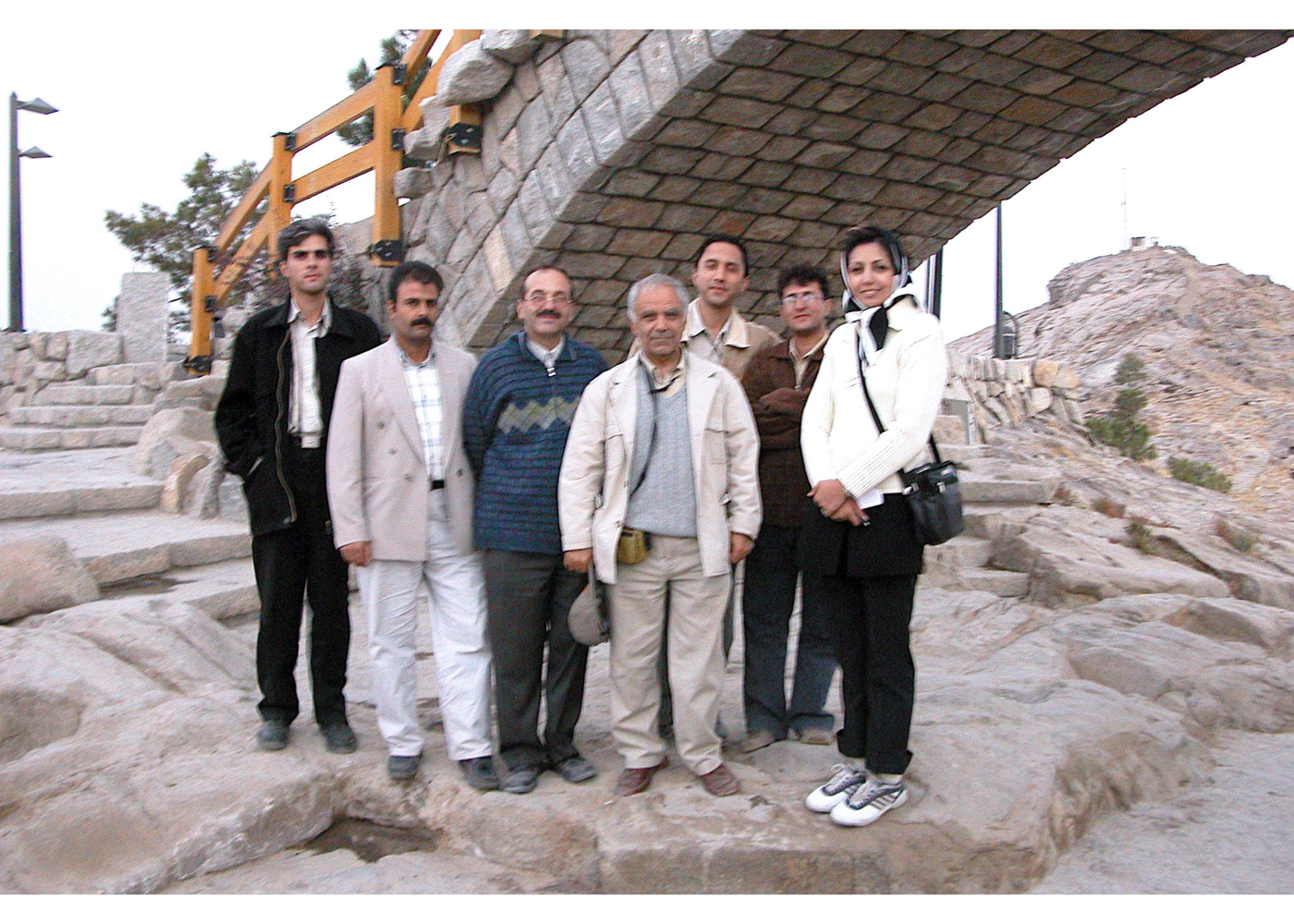
Khorramabad – Sassanid Bridge – The Project Study Group
Kish – First Site Visit Team
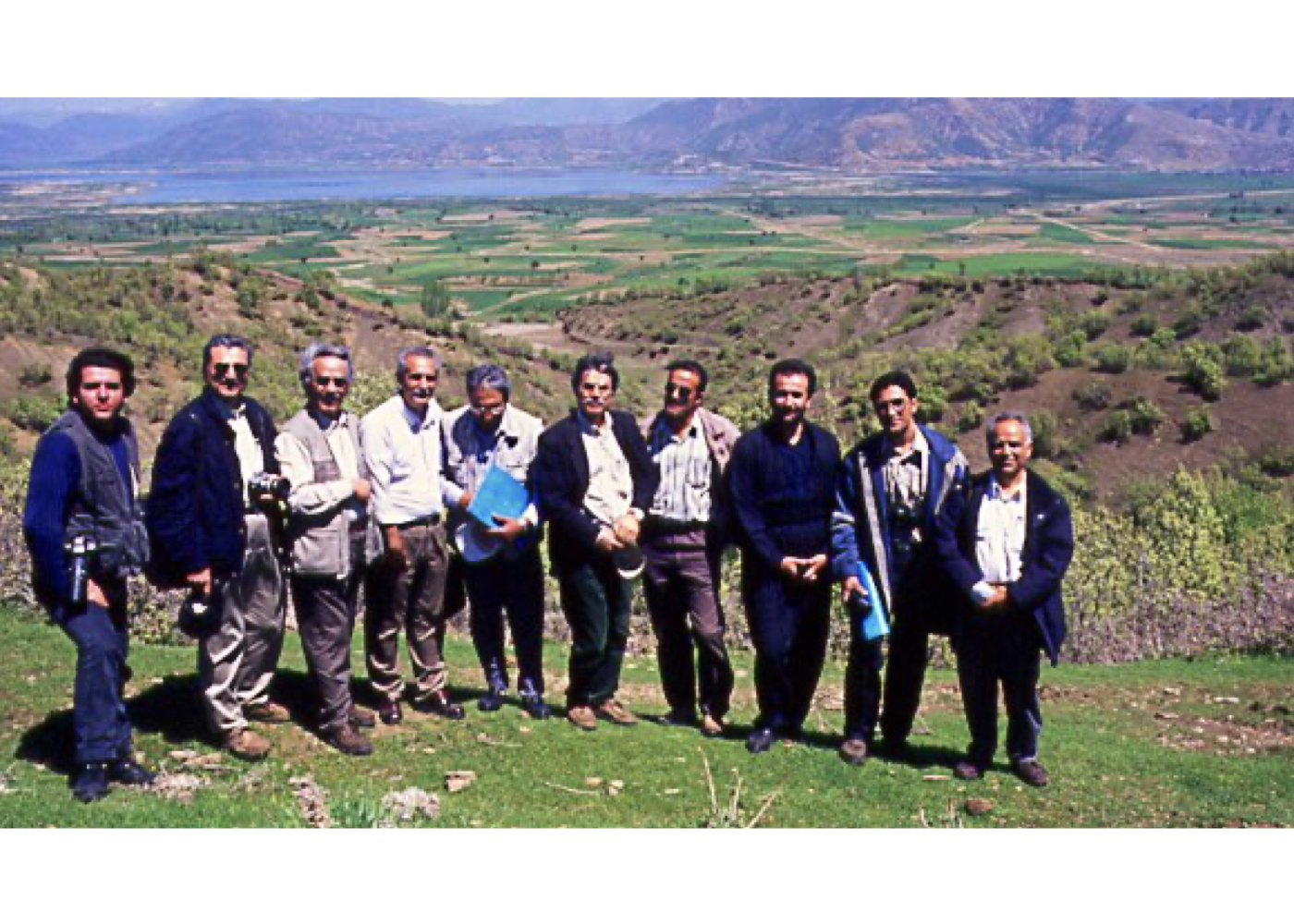
Marivan – Zarivar Lake – A Section of the Project Study Group
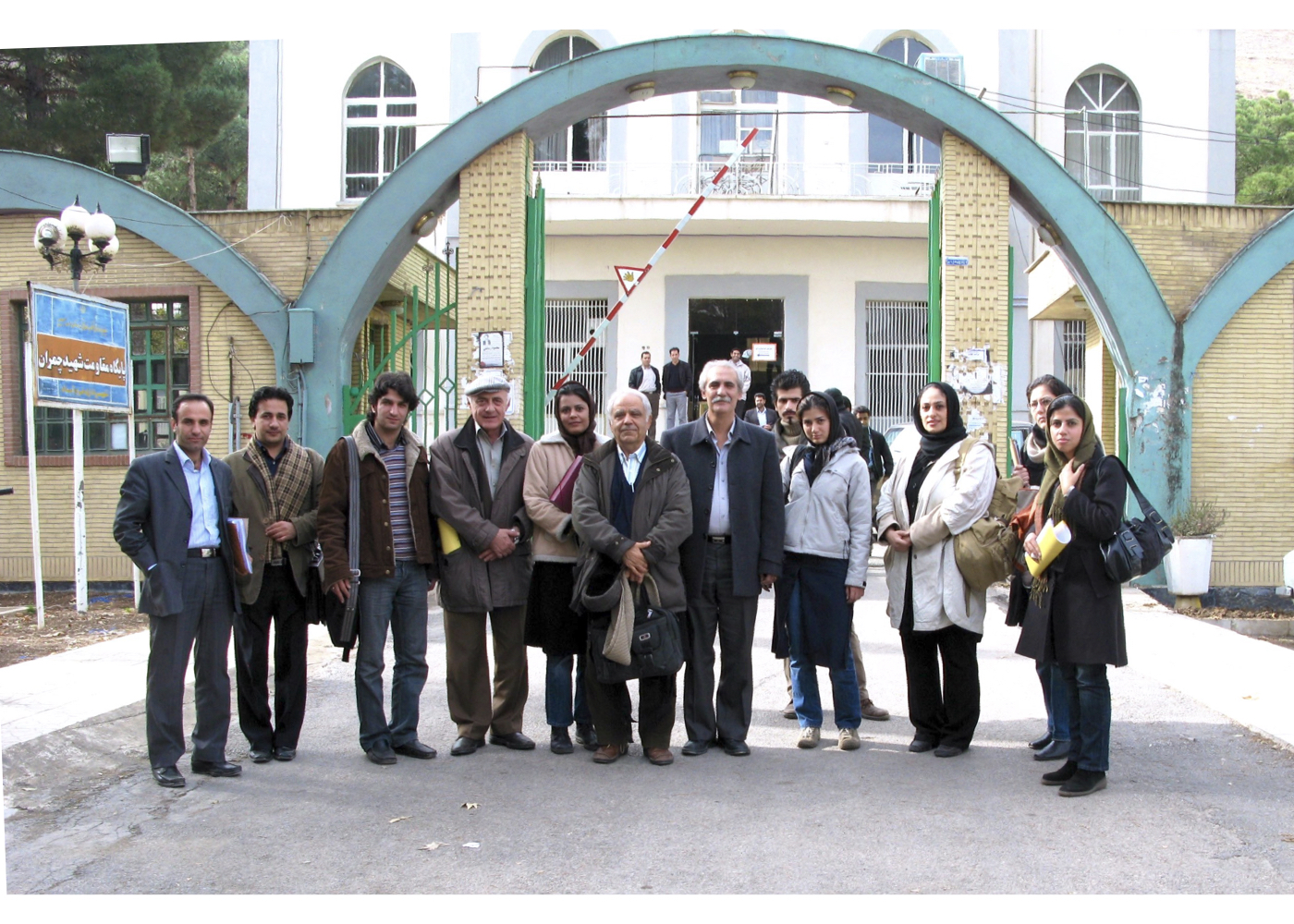
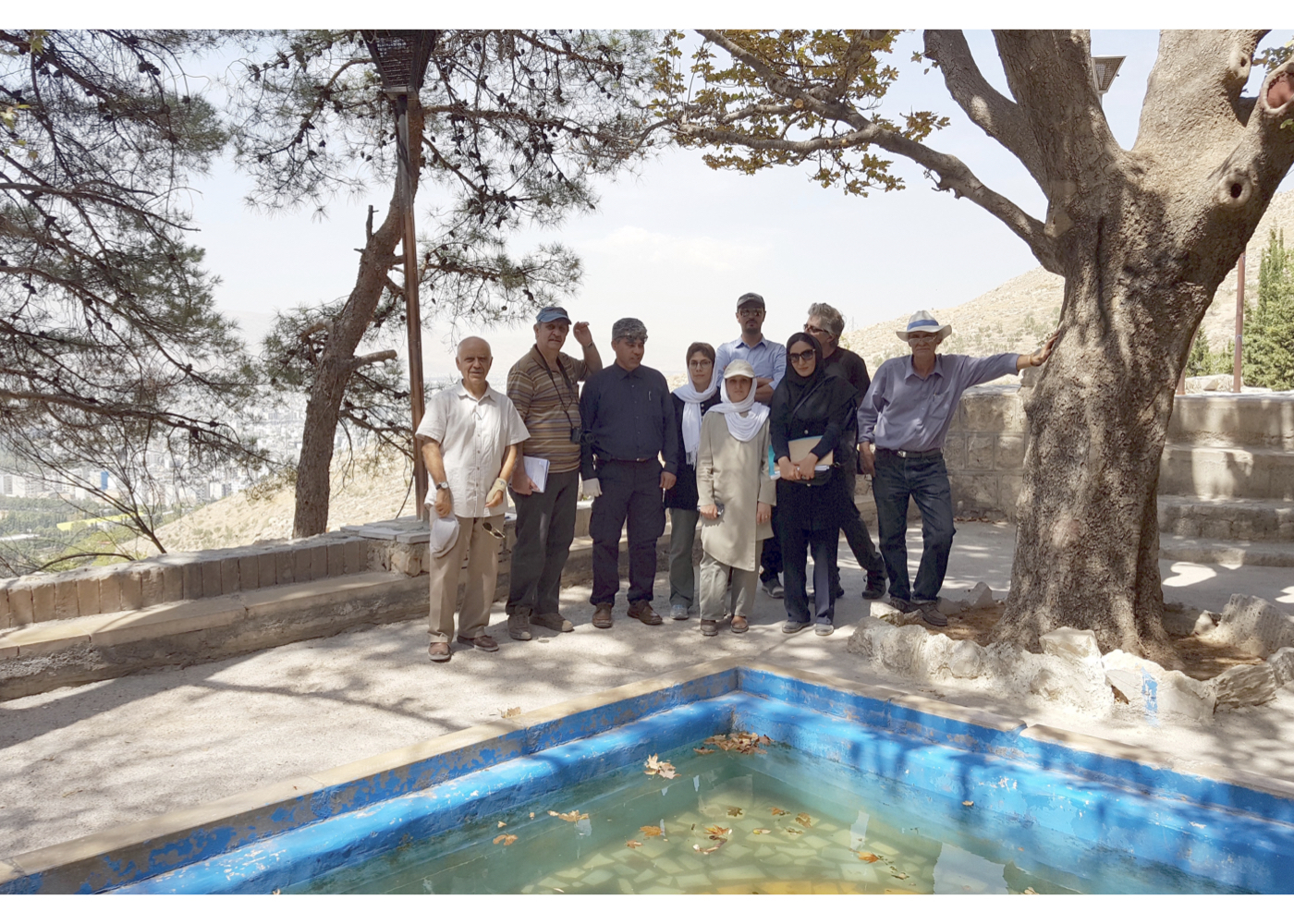
Shiraz – Northern Highlands – Shiraz – Northern Highlands – A Section of the Project Study Group (2)
Shiraz – Northern Highlands – Shiraz – Northern Highlands – A Section of the Project Study Group (3)
Shiraz – Northern Highlands – Shiraz – Northern Highlands – A Section of the Project Study Group
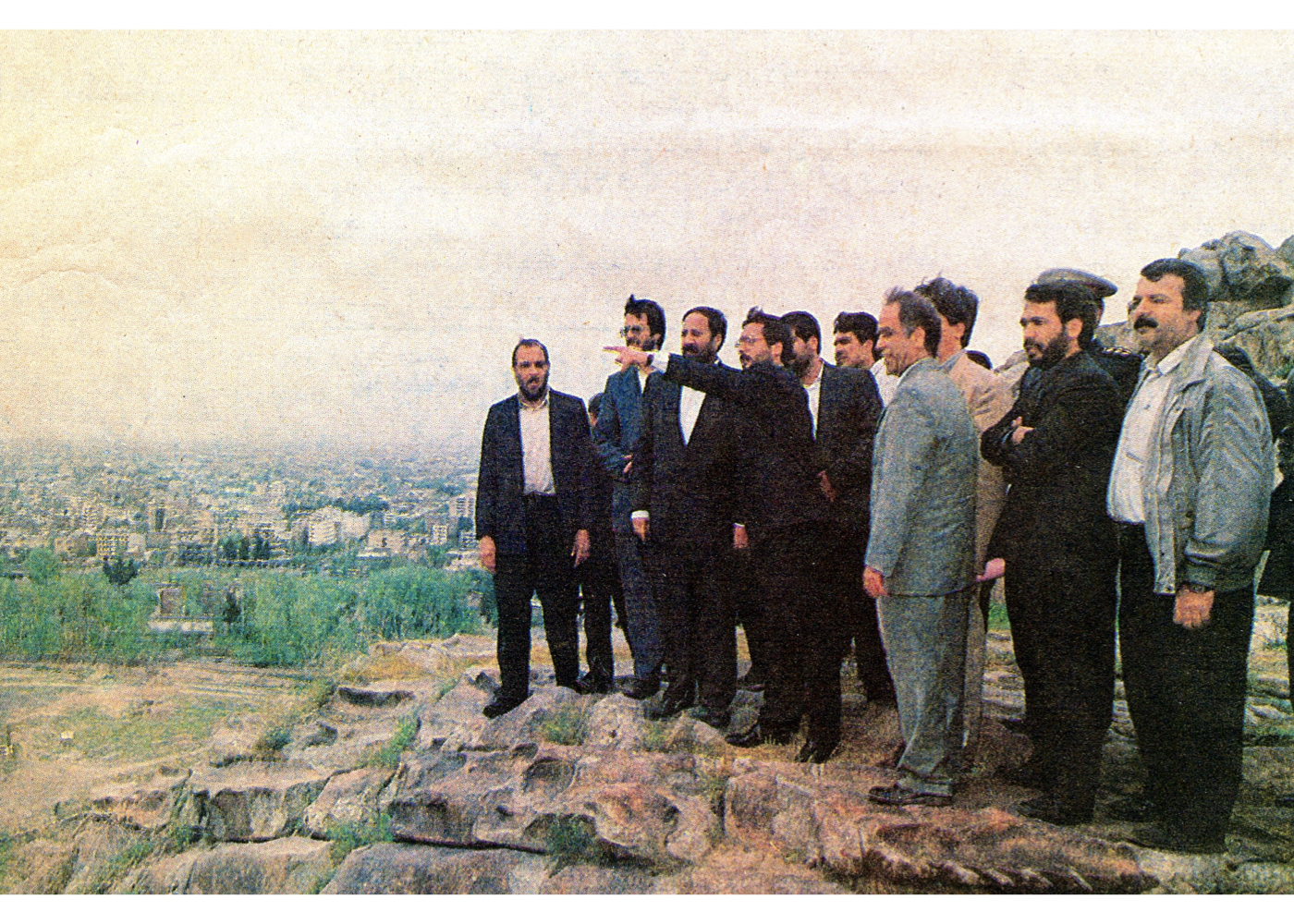
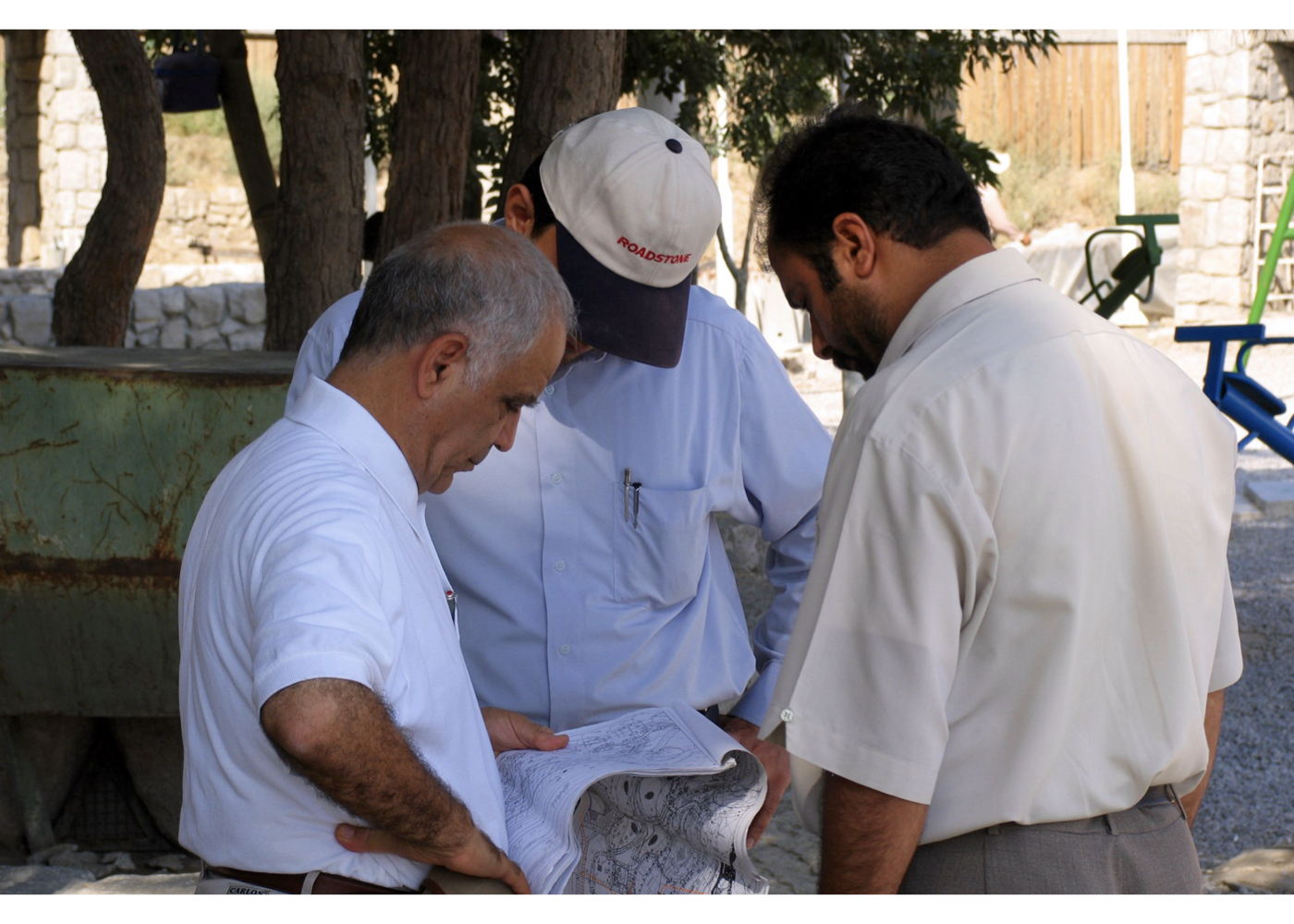
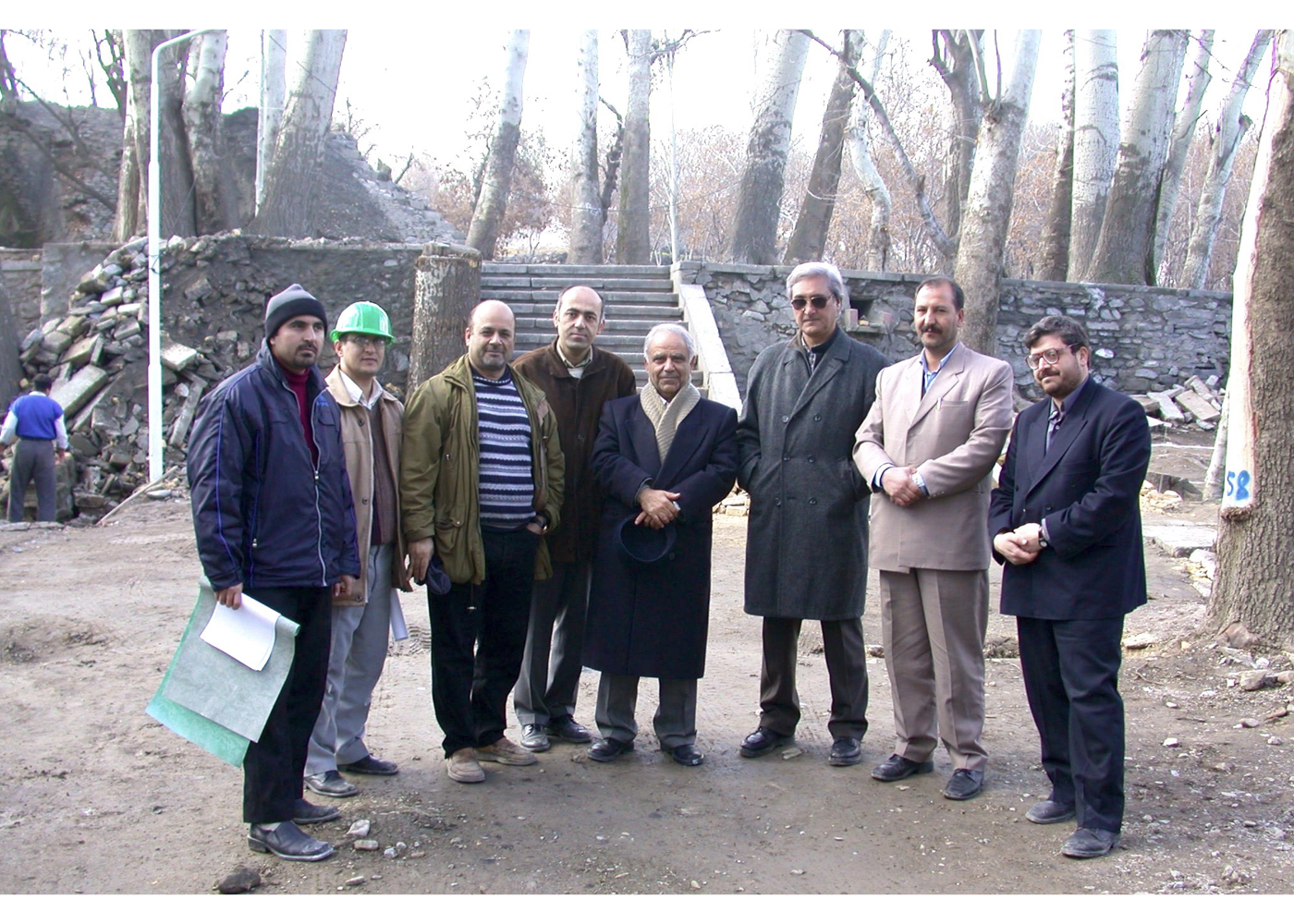
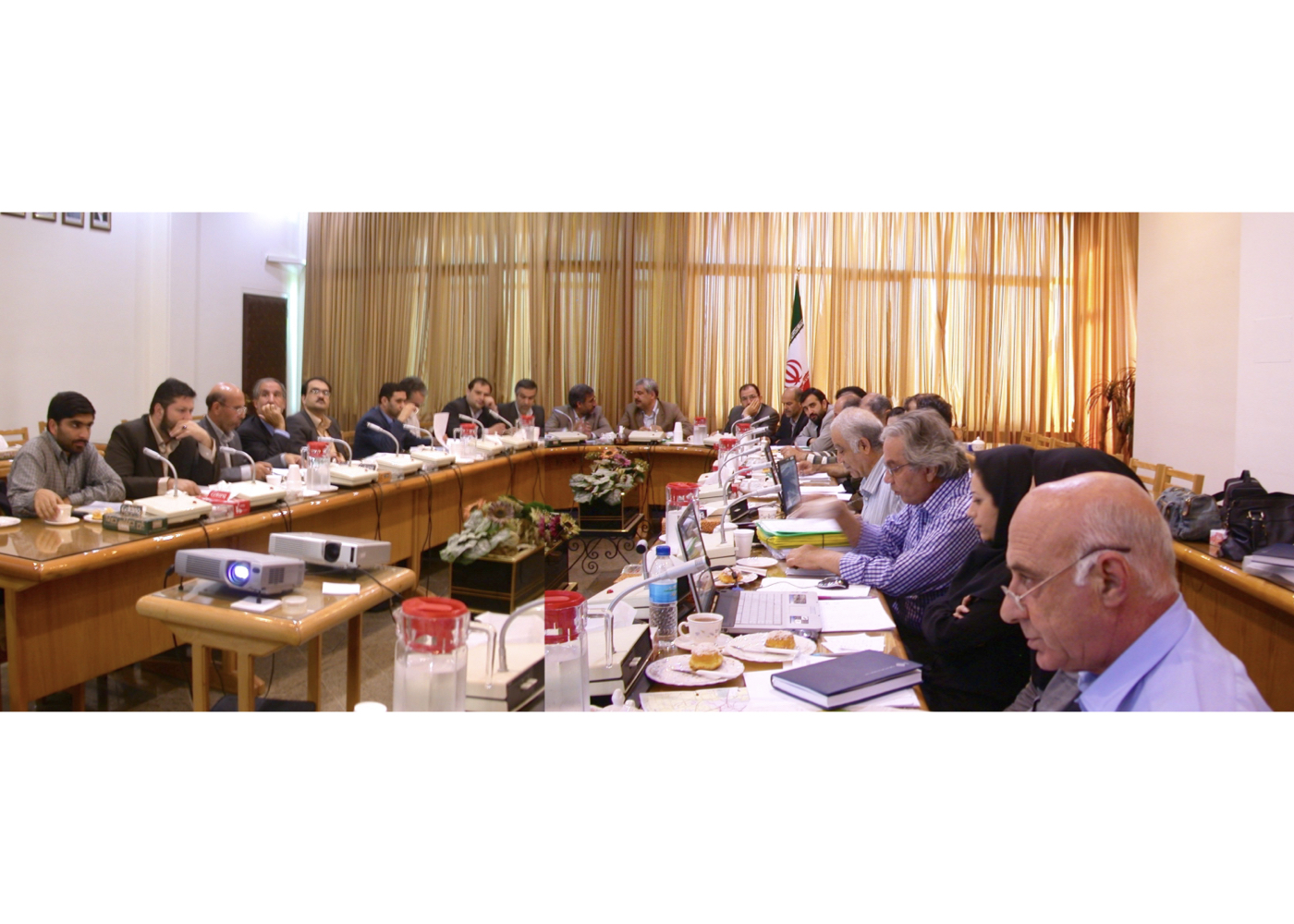
Mashhad – Koohsangi – Visit with Officials
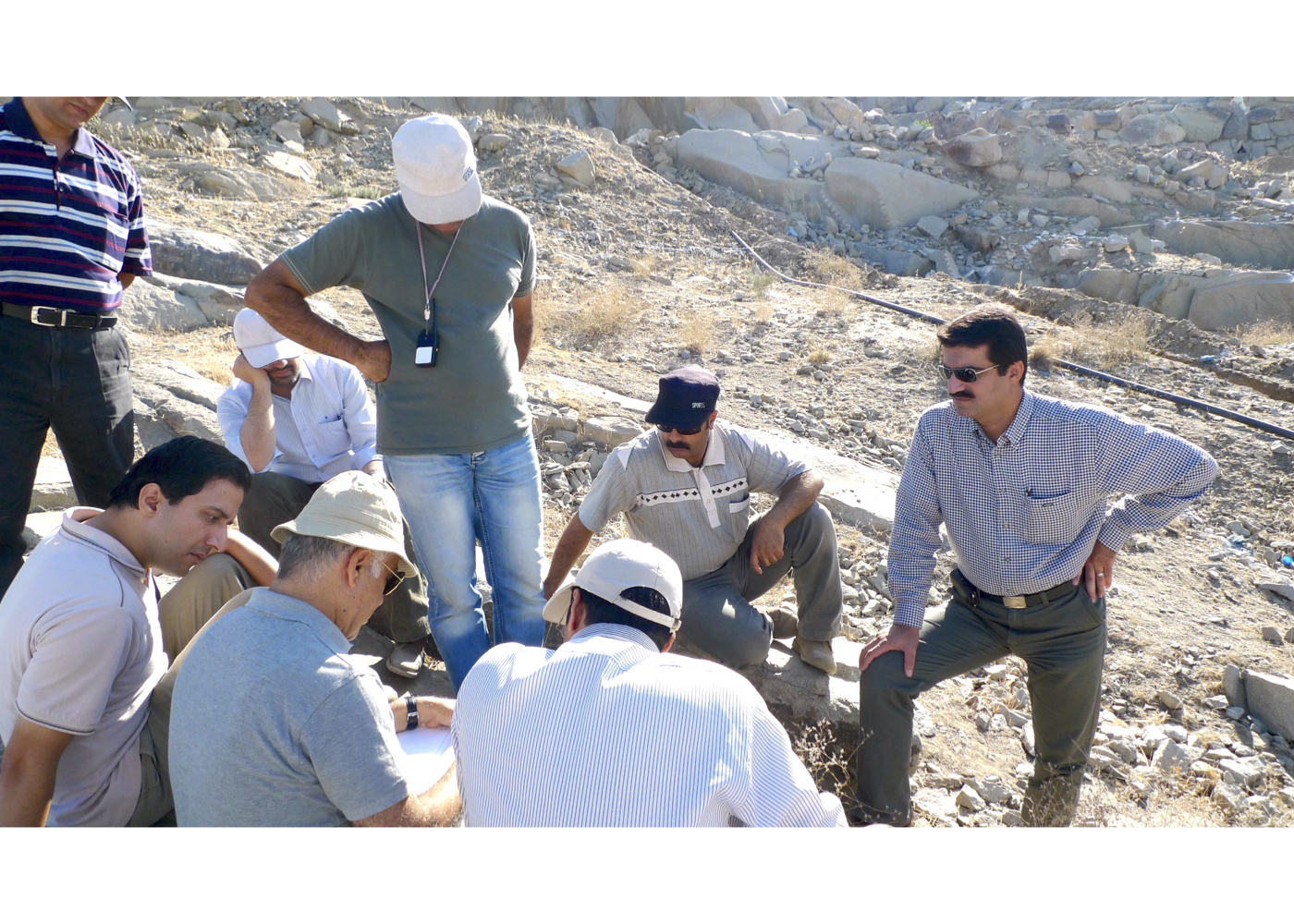
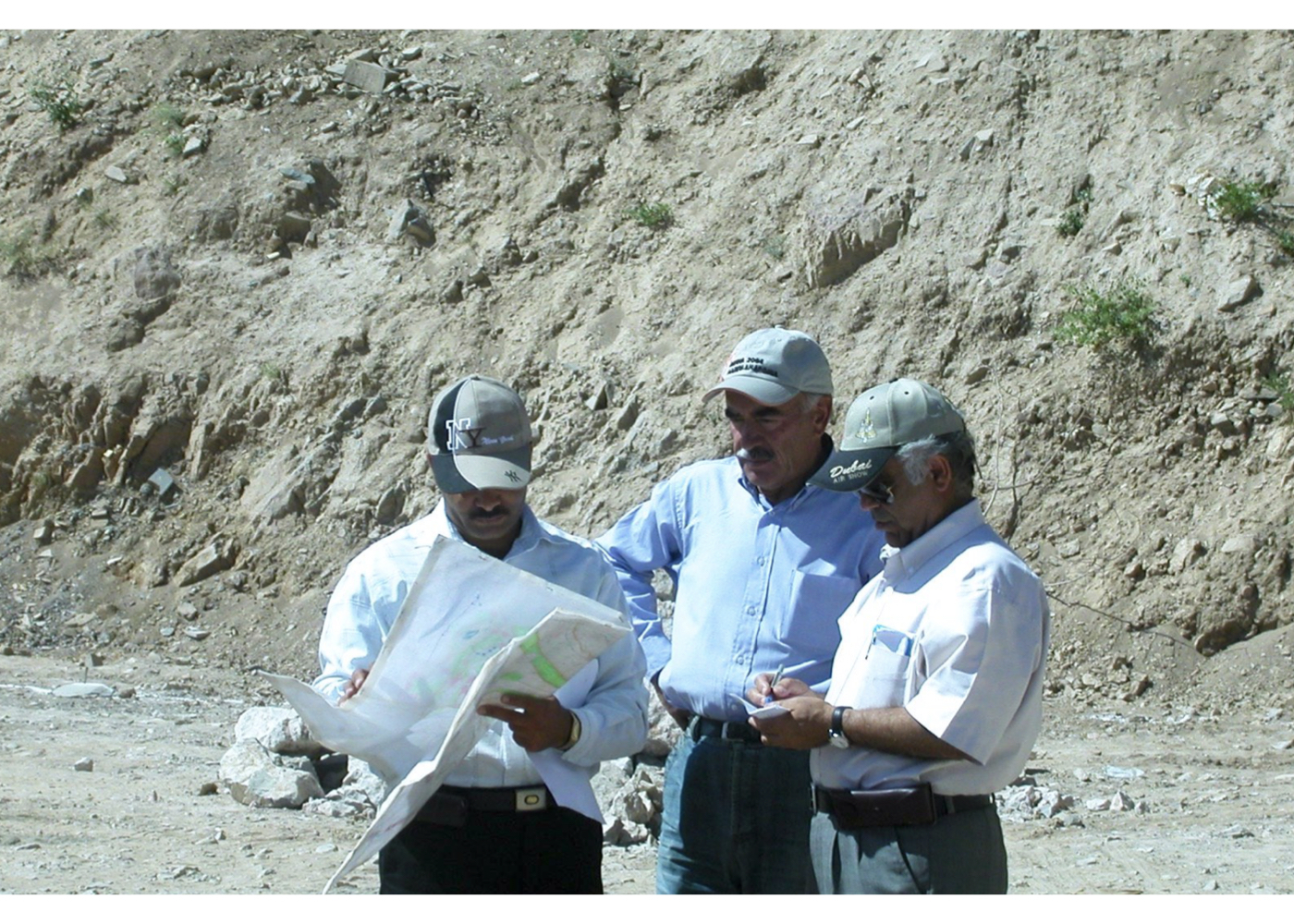
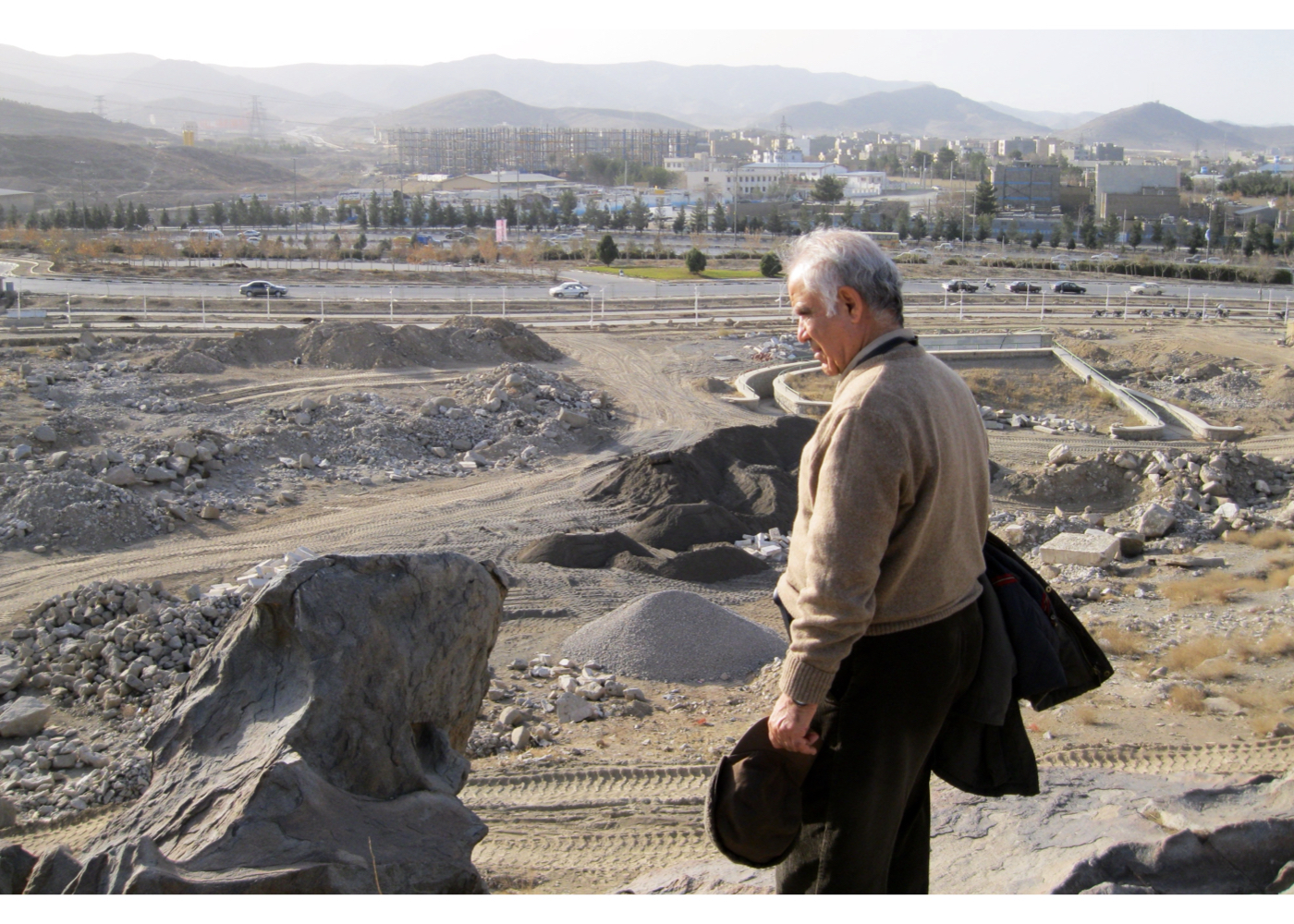
Mashhad – Koohsangi – On-site Design and Visit
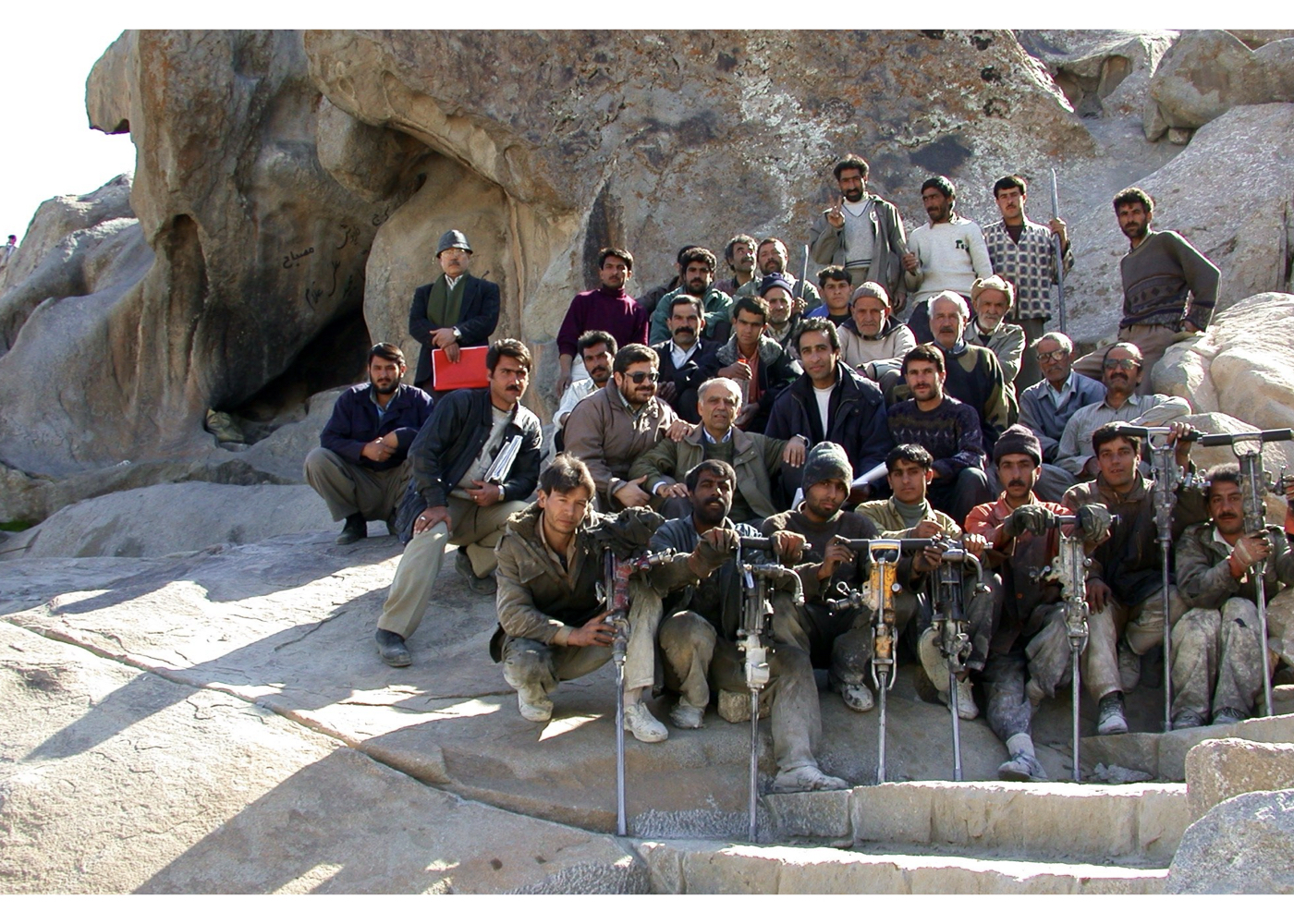
Mashhad – Koohsangi – With the Stone Preparation Team
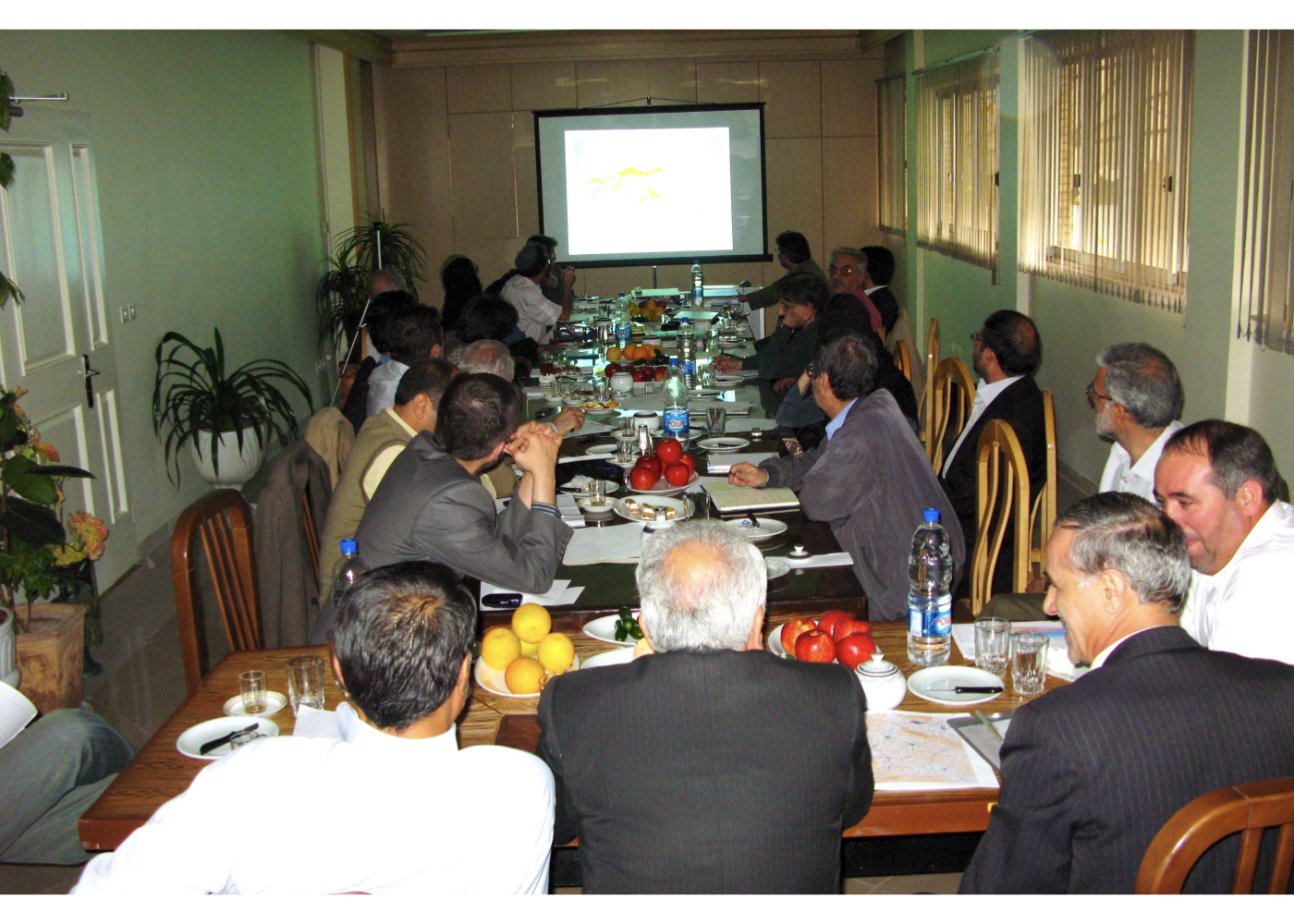
Bandar Abbas – Project Explanation
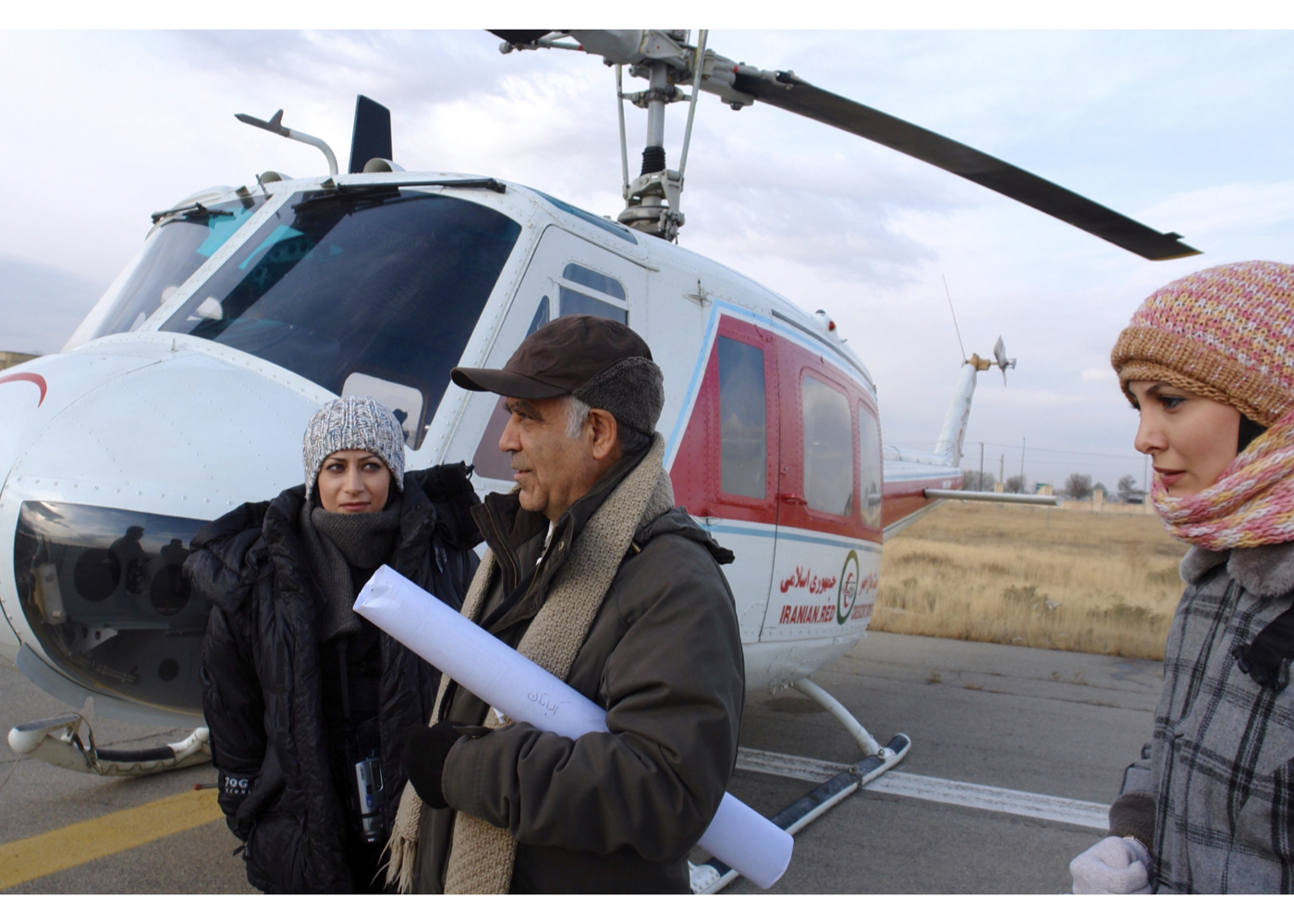
Gorgan – Naharkhoran – Flight Path Assessment
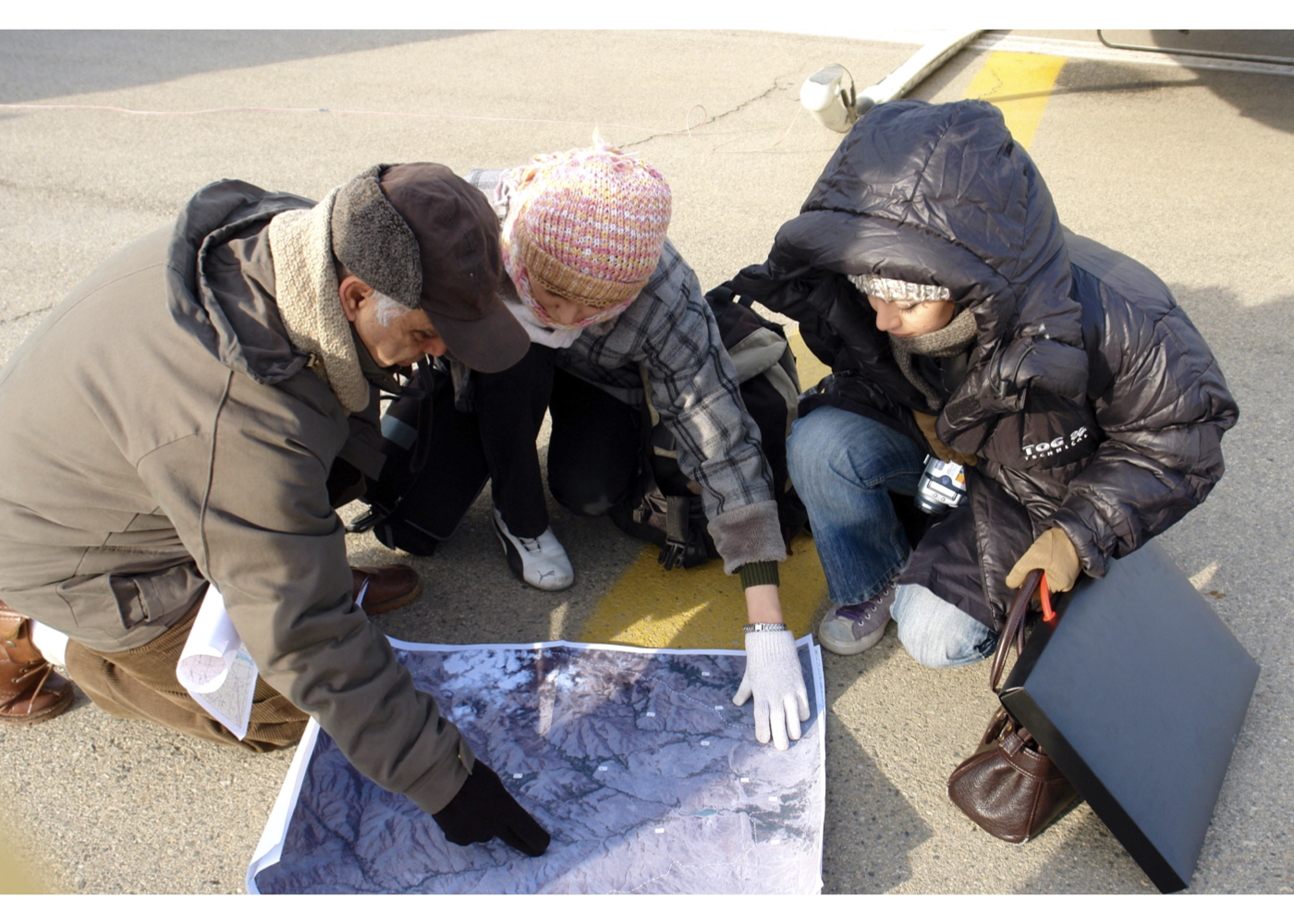
Gorgan – Naharkhoran – Flight Corridor Mapping
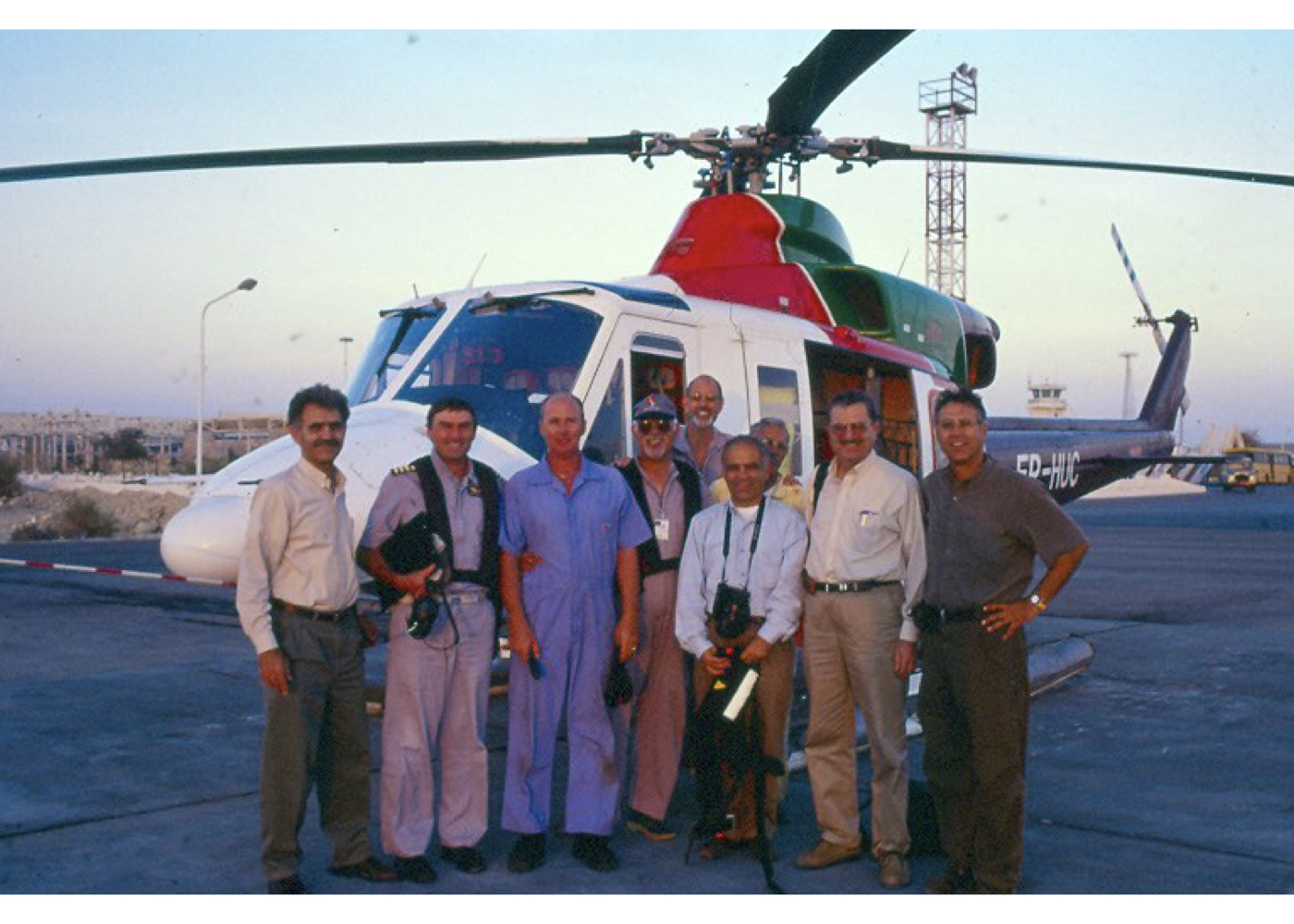
Kish Island Coast – Aerial Study
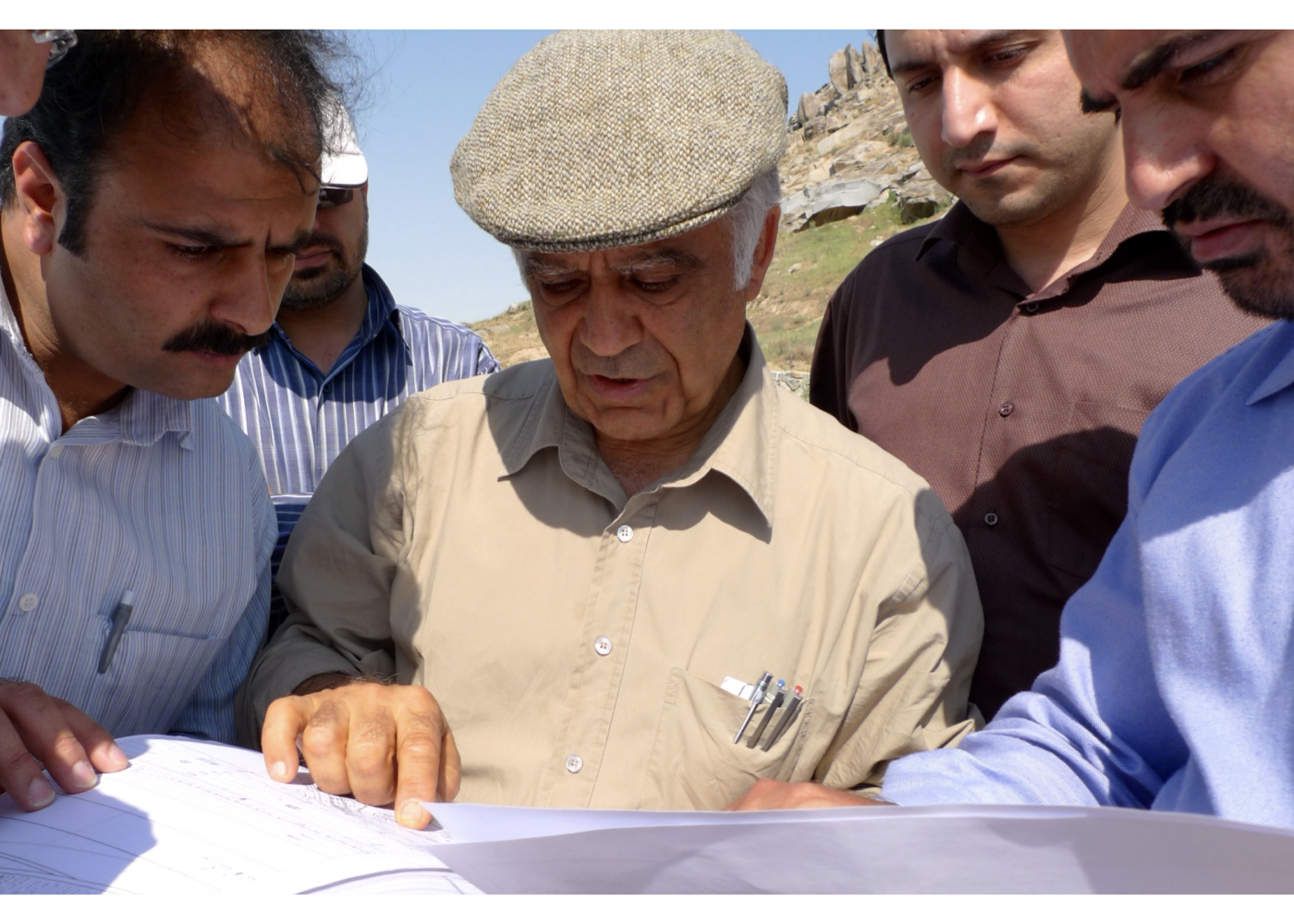
2001 – Mashhad, Kuhsangi – On-site review of the design
2001 – Mashhad, Kuhsangi – On-site explanation of the design
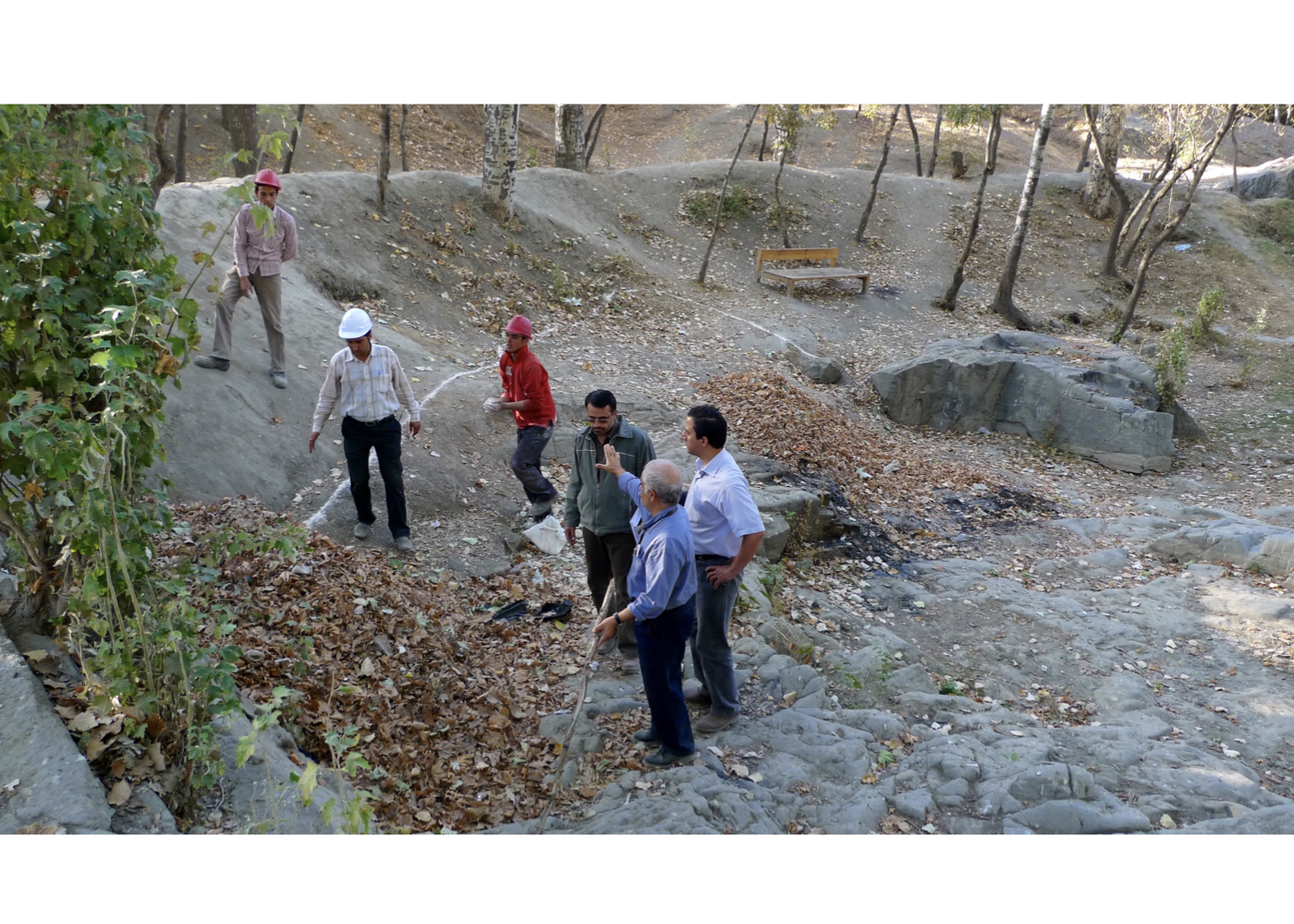
Mashhad – Vakilabad – On-Site Design Work
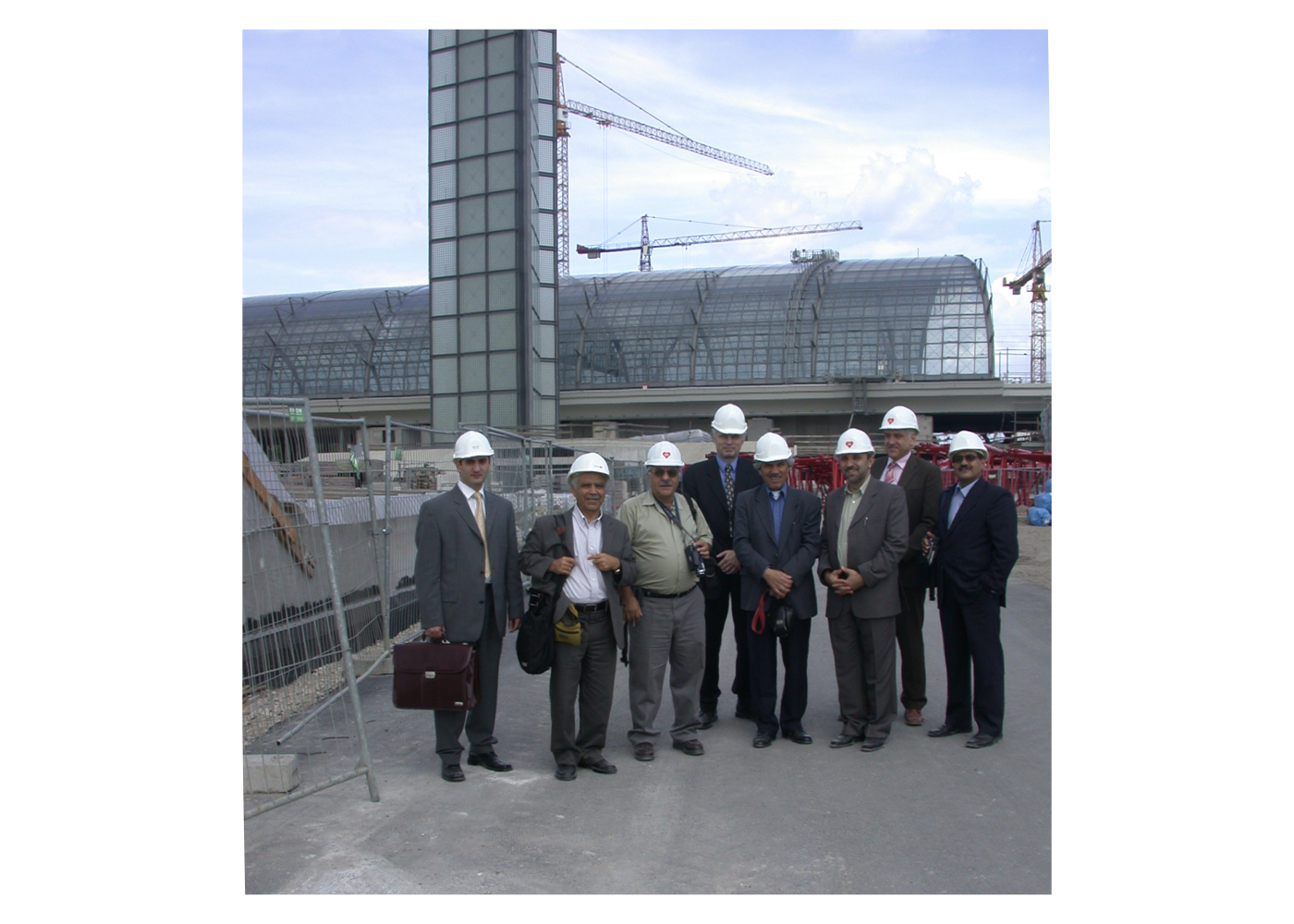
2004 – Berlin – Selection of partner consultant
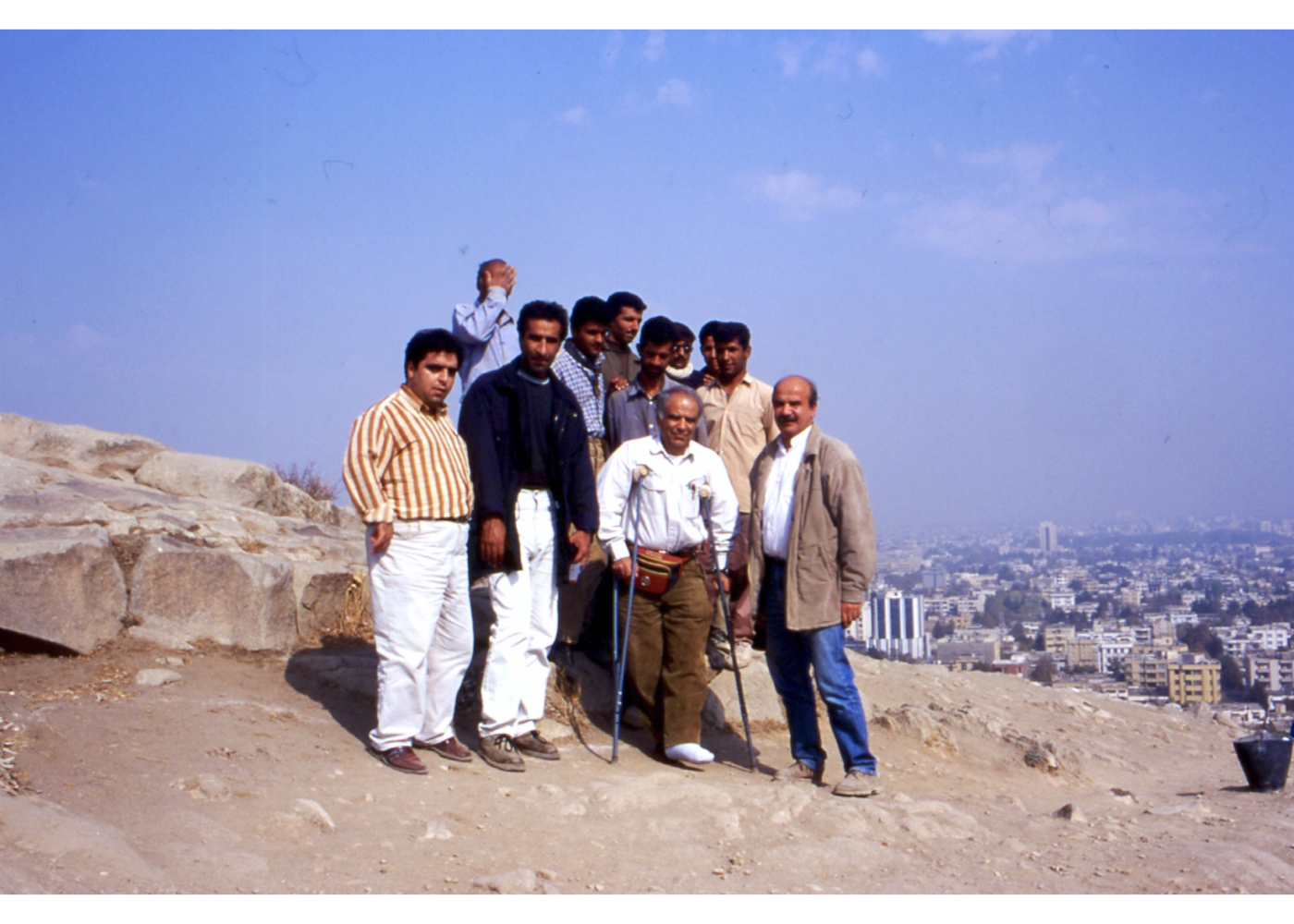
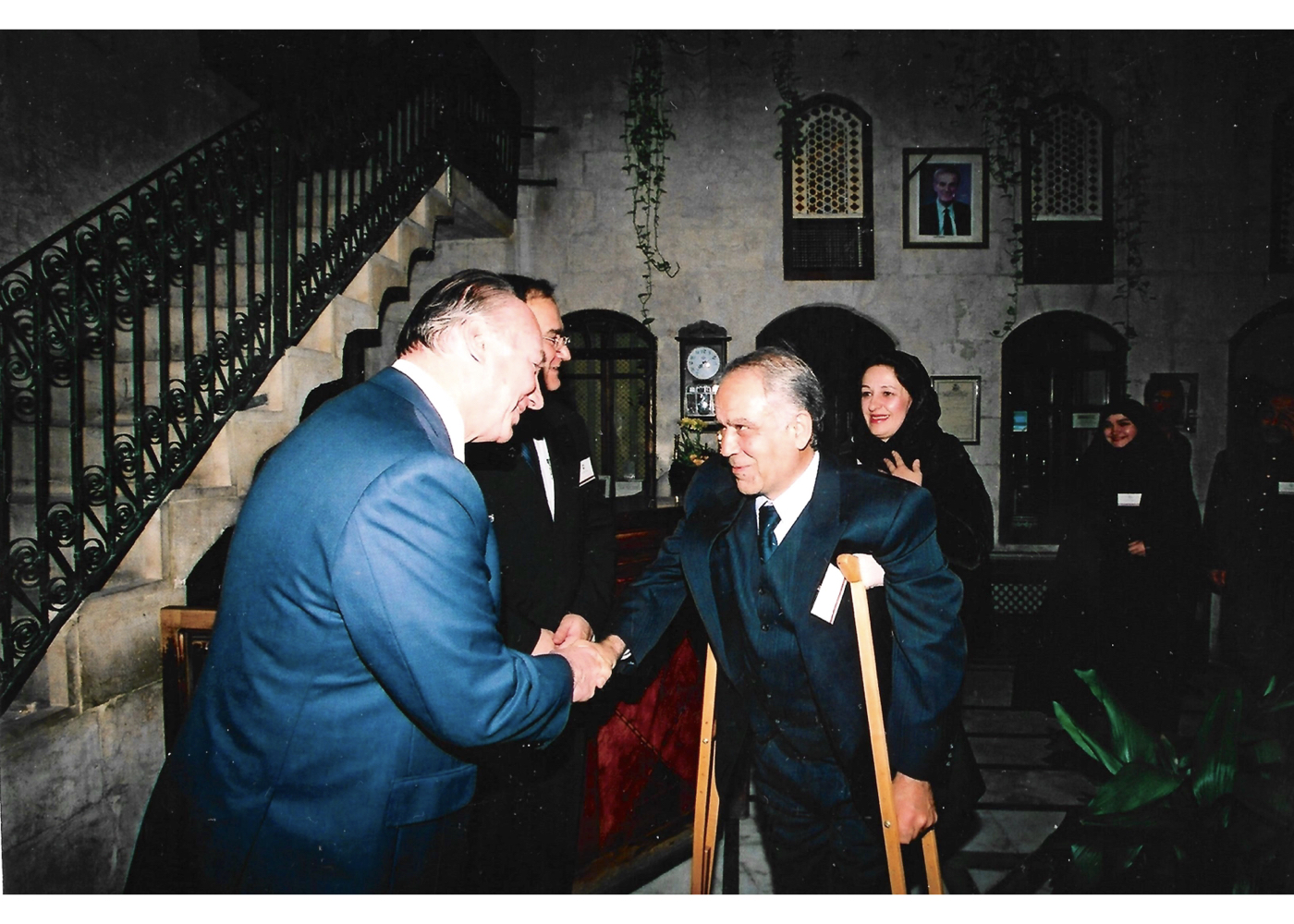
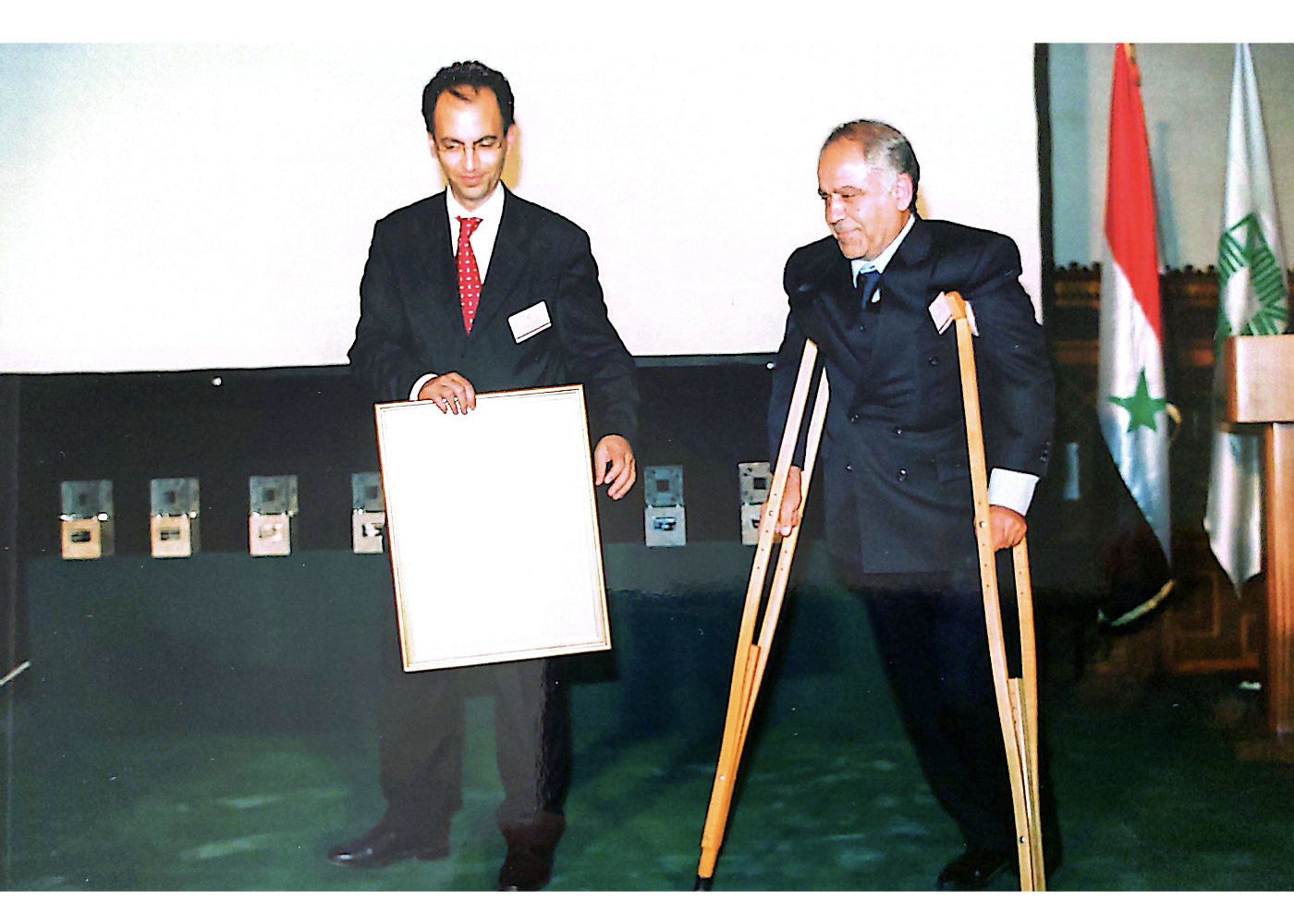
2001 – Koohsangi – Supervision Team (I broke my leg while visiting Mount Soffeا in Isfahan)
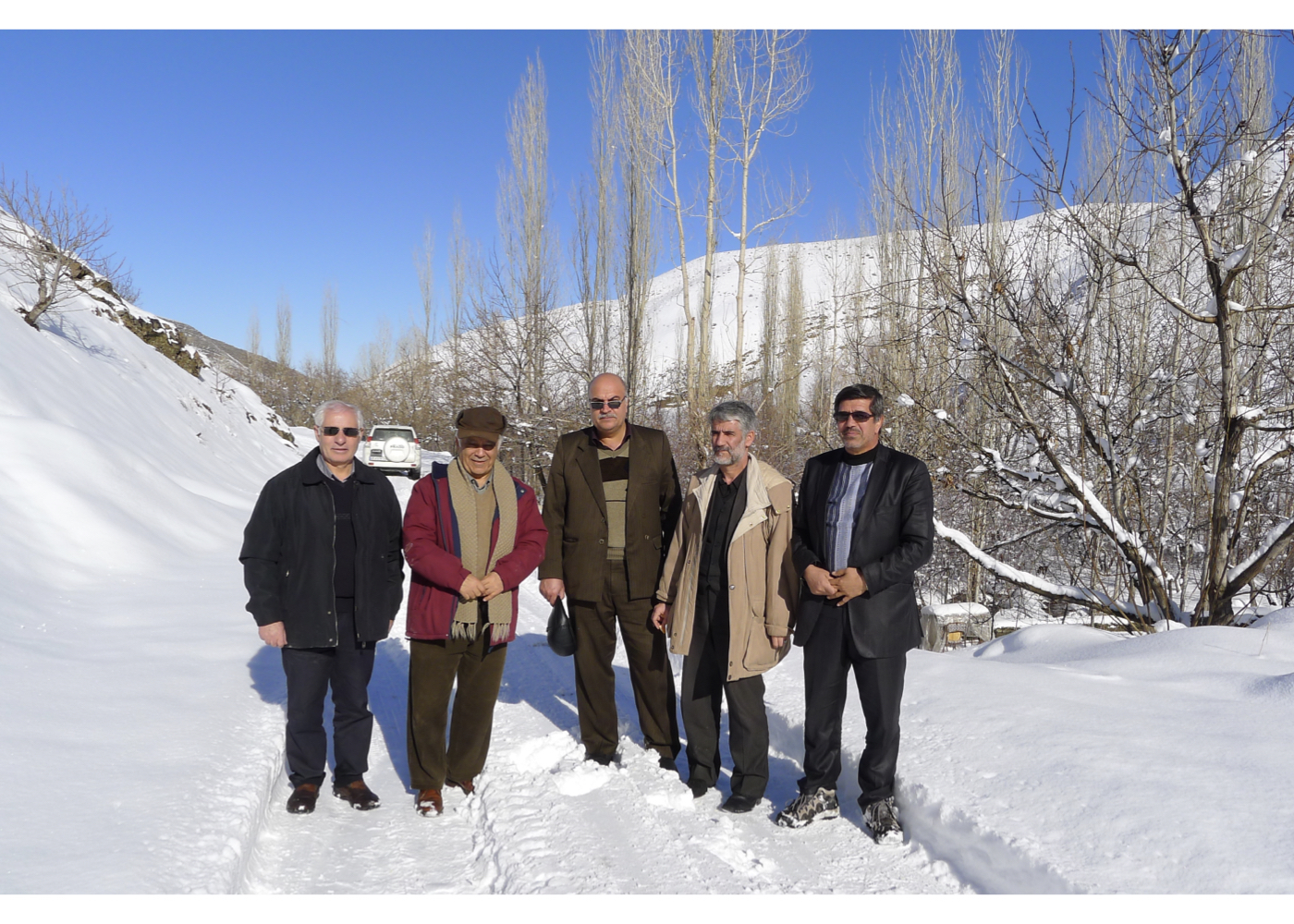
Fereydunshahr – With Local Authorities
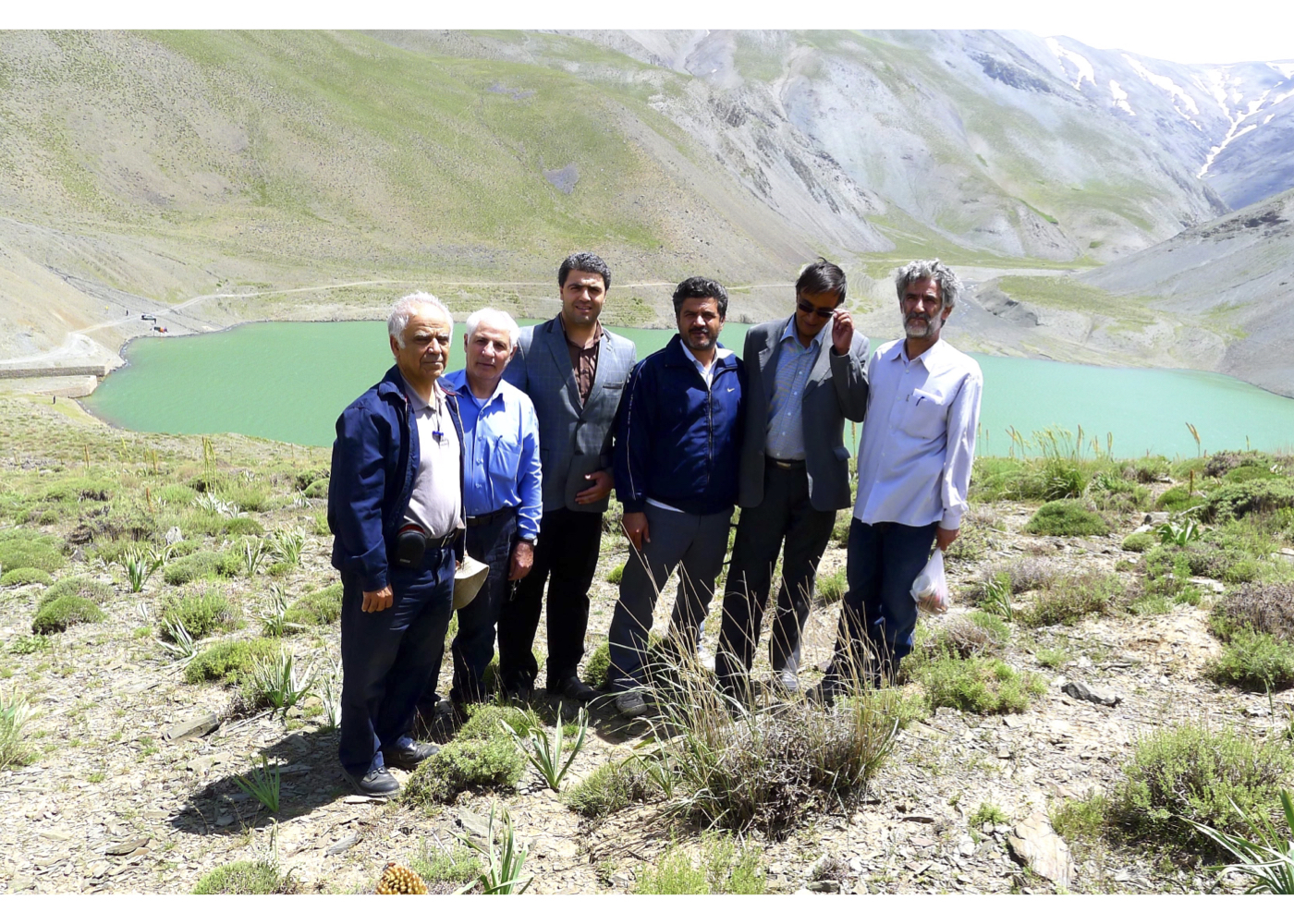
Golmakan – Ancient Sabz Spring Lake – Visiting Team
Golmakan – Sabz Spring Route – Visiting Team
Isfahan – Soffeh Mountain – Project Explanation
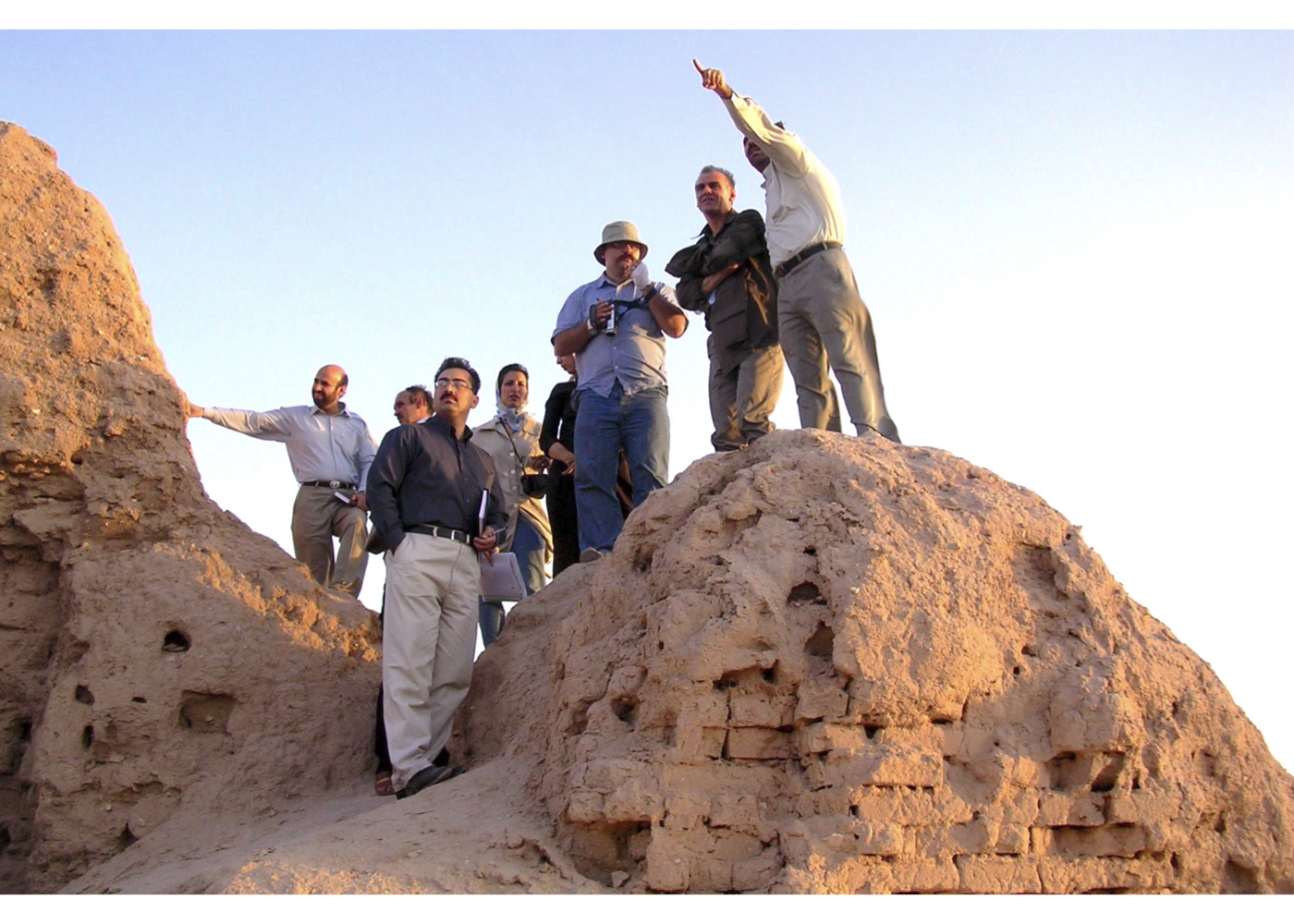
Kerman – Ghaleh Ardeshir and Ghaleh Dokhtar – Visit by a Section of the Experts
Mashhad – Koohsangi – A Section of Supervision Group (1)
Mashhad – Koohsangi – A Section of Supervision Group (2)
Mashhad – Vakilabad – Start of Implementation Phase
Tous – Ferdowsi Cultural Complex – Site Visit
Isfahan – Fereydunshahr – Study Team (In memory of Engineer Morteza Safabakhsh, fifth from the right)
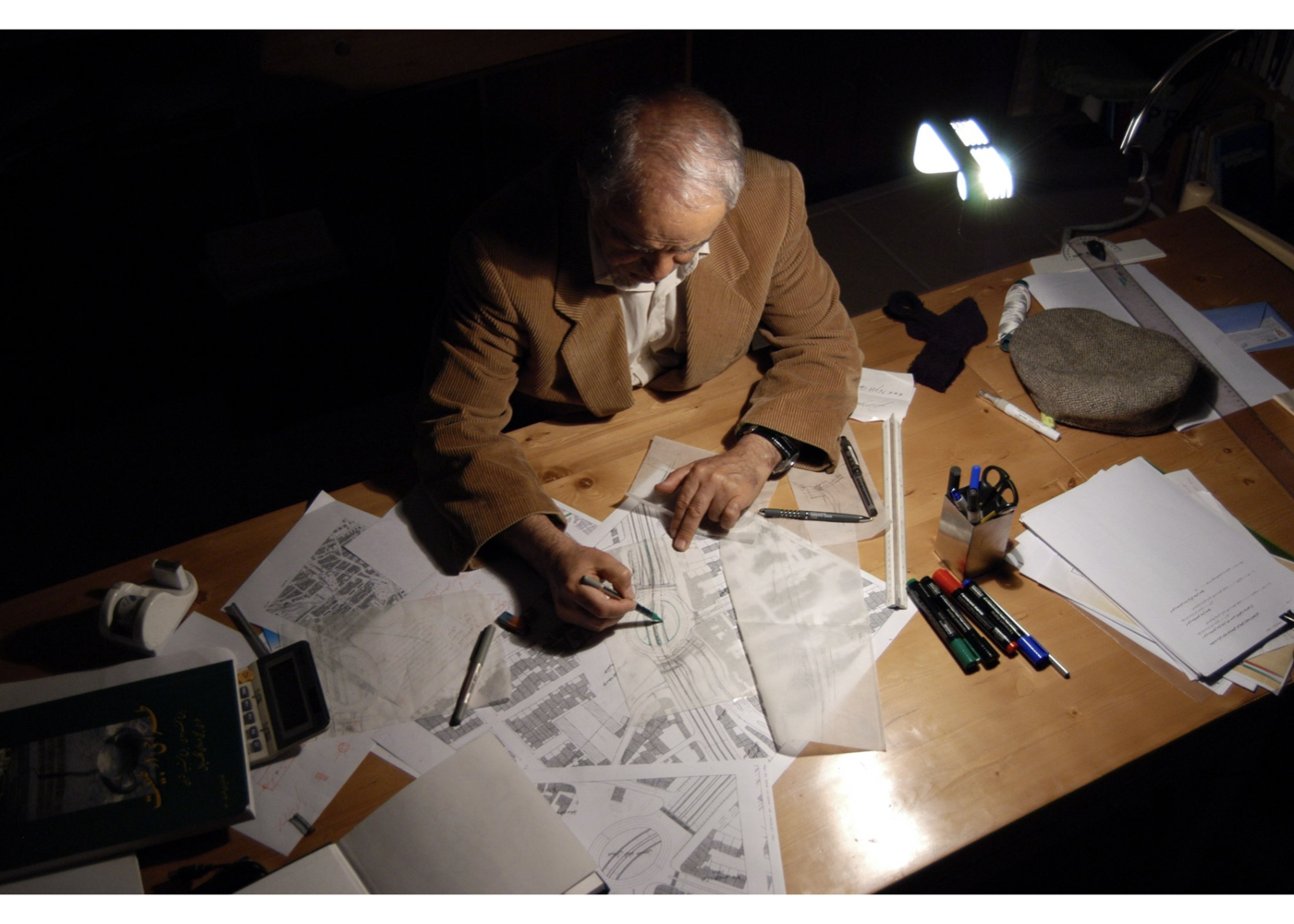
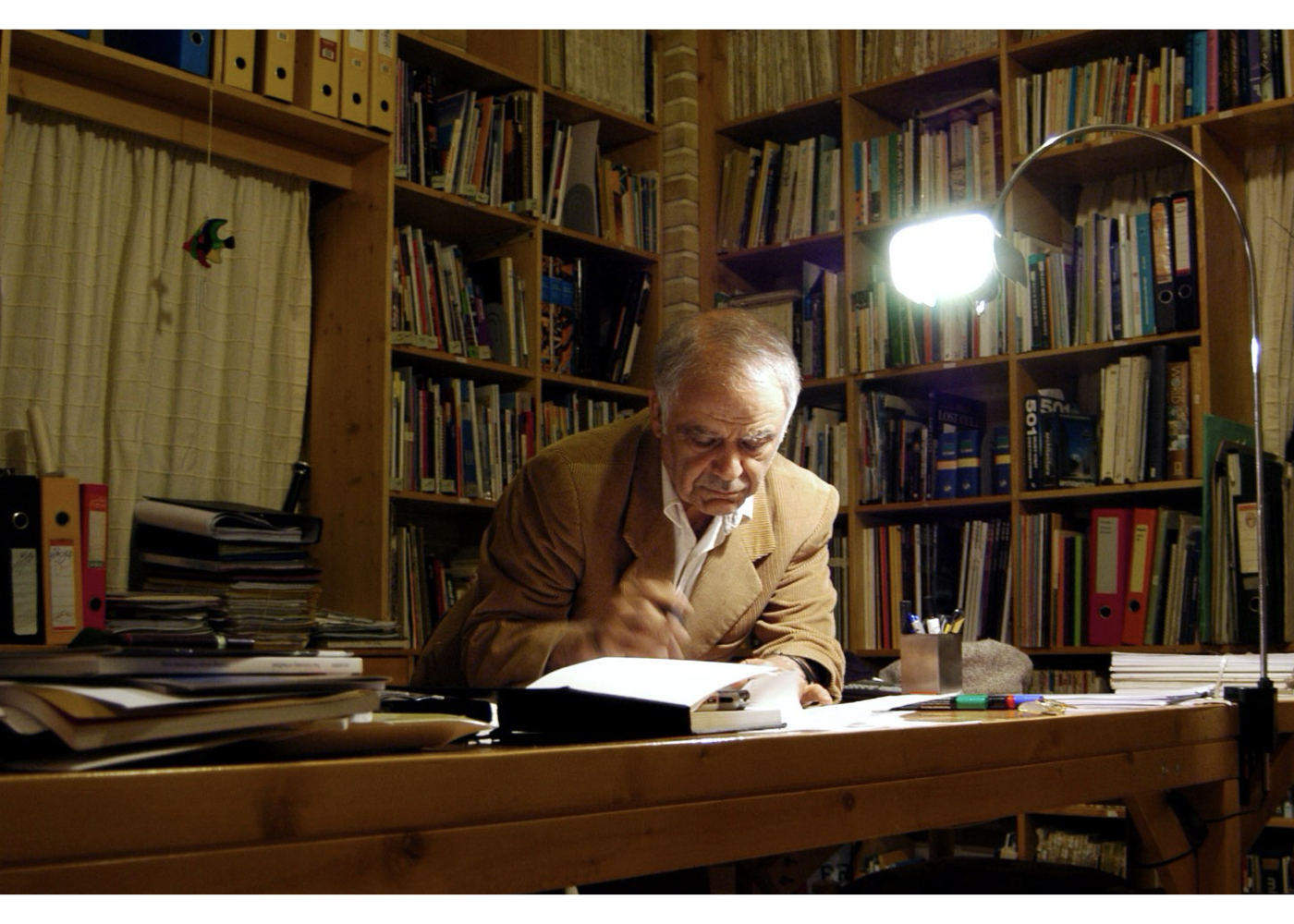
He served as the managing director of Baft-e-Shahr for over three decades, across two separate terms. Over more than forty years of leadership, research, and design work within the firm, he directed and coordinated seven major groups of projects in the fields of architecture, landscape architecture, urban planning, and urban-environmental design. His body of work can be classified into several key categories:
Among these, he placed particular emphasis on urban paradises (interconnected gardens) for their capacity to create vibrant and natural spaces for citizens; public gardens for facilitating people’s interaction with nature; and urban–environmental design for its active stewardship, ecological restoration, and sustainable integration of human life with natural urban environments.
He has published three books:
Reconstruction and Renewal of War-Damaged Areas (limited print, 1979)